
Campbell’s Russian Dwarf Hamster: Care and Diabetes Risk
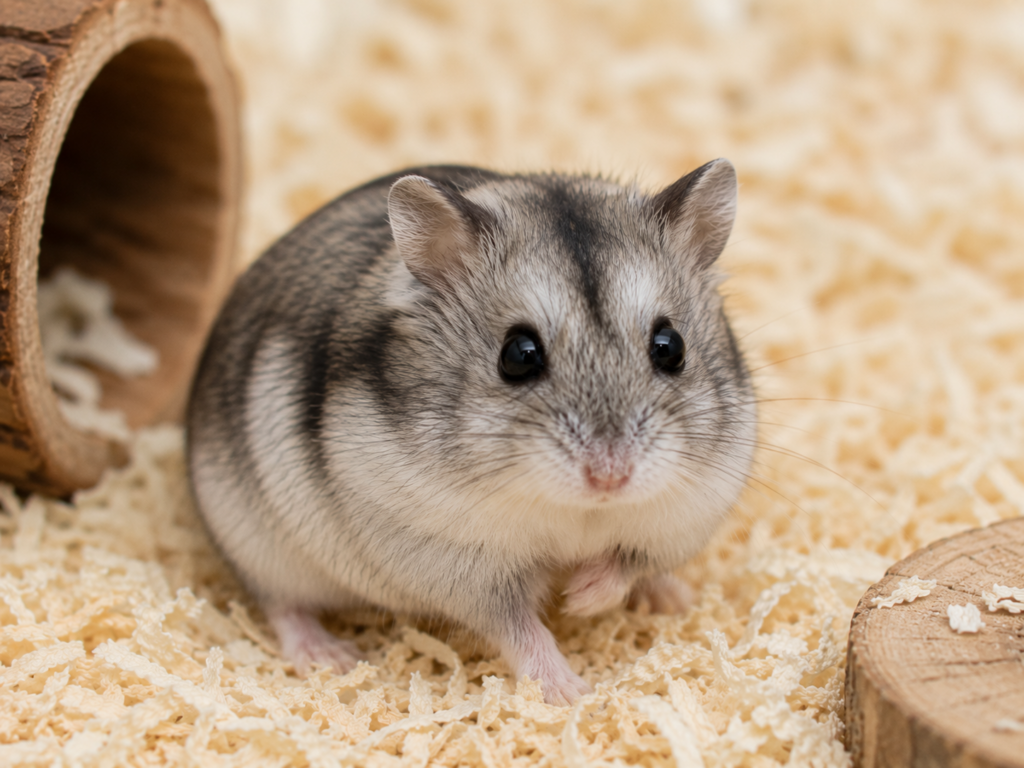
The Campbell’s Russian Dwarf is one of the most common dwarf hamsters kept as a pet. It is small, quick, and curious, and comes in many color varieties. It is also the dwarf species most strongly associated with diabetes, which makes diet management a central part of its care.
Quick facts
- Size: small dwarf, around 7 to 10 cm, roughly 40 to 60 grams
- Lifespan: around 1.5 to 2 years
- Housing: best kept alone in captivity to avoid territorial fighting
- Best for: owners who enjoy watching lively behavior and can manage a strict diet
Temperament and personality
Campbell’s dwarves are active, inquisitive, and fast. They are more prone to cage aggression and nipping than Syrians or Winter Whites, often nipping out of anxiety when grabbed rather than when simply held. Taming takes patience, a gentle approach, and offering treats from your fingers rather than reaching in to grab them. Many owners enjoy them most for their busy, energetic behavior. They are often better suited to experienced owners.
Housing: keep them alone
While Campbell’s are social in the wild, in captivity they do not do well housed together, and confined cage space leads to territorial disputes. Current best practice is to keep them alone, which removes the risk of fighting entirely. As with all hamsters, never house males and females together.
Cage and setup
- Space: generous horizontal floor space, the same as for other hamsters
- Bedding: deep, burrow friendly, paper based or aspen
- Wheel: a solid wheel sized for a dwarf
- Escape proofing: tight bar spacing or a tank style enclosure for these small, agile hamsters
Health note: high diabetes risk
Campbell’s hamsters, including hybrids, have a high genetic predisposition to diabetes. A strictly managed low sugar diet is essential. Heavily restrict sugary fruit, treats, and commercial yogurt drops, and base the diet on a quality mix or pellet. Watch for signs such as increased thirst, increased urination, and weight loss. Good husbandry and an active lifestyle are the best prevention. This is one of the most important parts of caring for the species.
Is a Campbell’s right for you?
A Campbell’s suits an owner fascinated by lively hamster behavior and willing to commit to a strict low sugar diet and patient taming. They are rewarding to watch, but they are a more involved choice than a single Syrian, especially because of their diabetes risk.
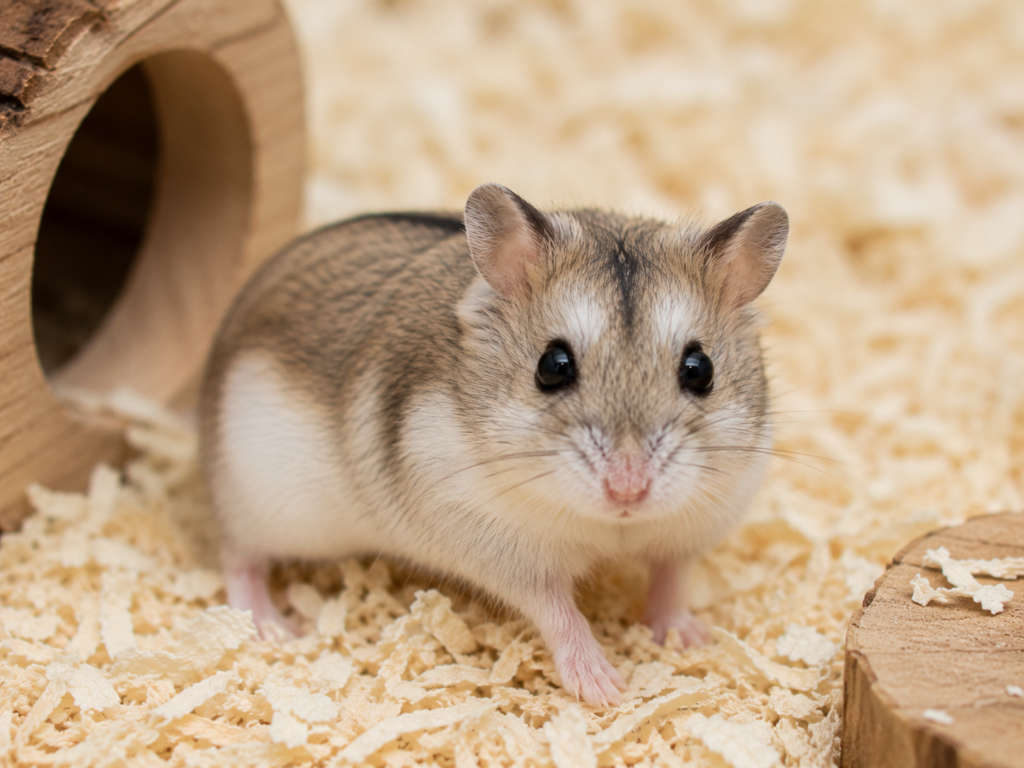
Chinese Hamster: The Unusual, Mouse Like Pet
The Chinese hamster has a slim, mouse like body with a longer grasping tail, climbs well, and tames easily. Learn its temperament and care needs.

Winter White Russian Dwarf Hamster: Care and Personality
The Winter White is a calm, handleable dwarf hamster known for a coat that can lighten in winter. Learn its temperament, diabetes risk, and care.
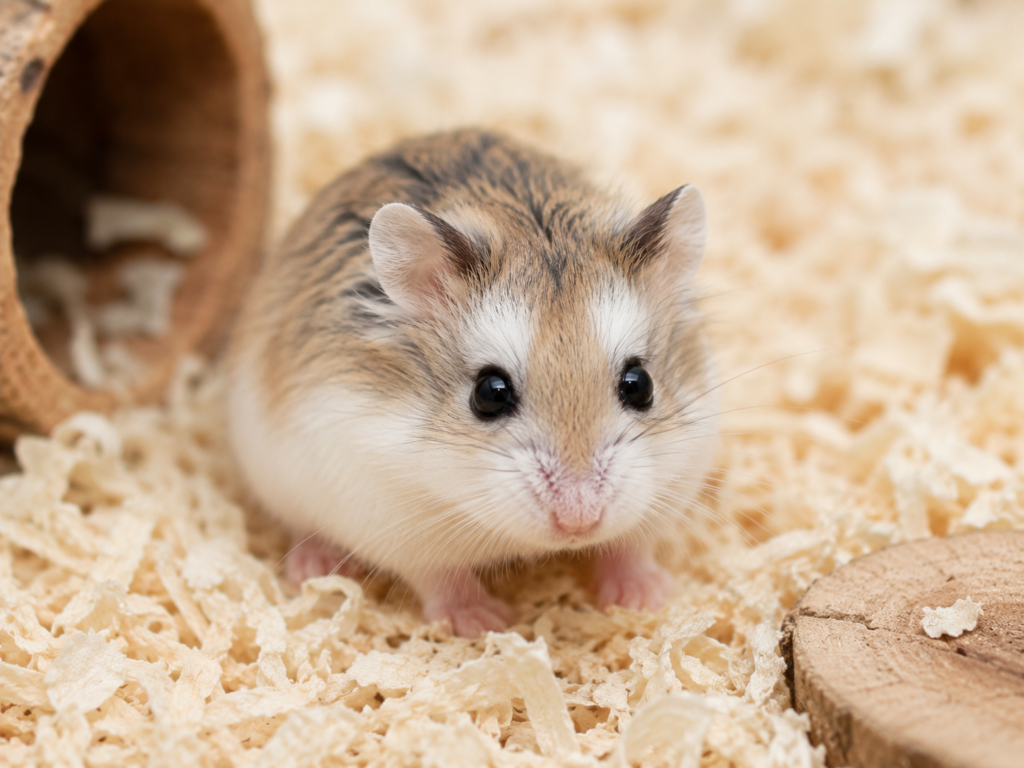
Roborovski Hamster: The Tiny, Fast Dwarf Explained
The Roborovski is the smallest and fastest pet hamster, with the longest lifespan of the dwarfs. Learn why it suits watchers more than handlers.