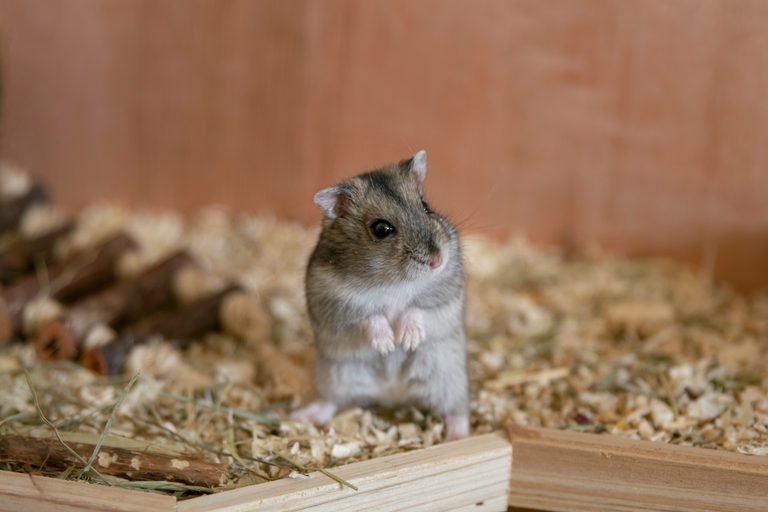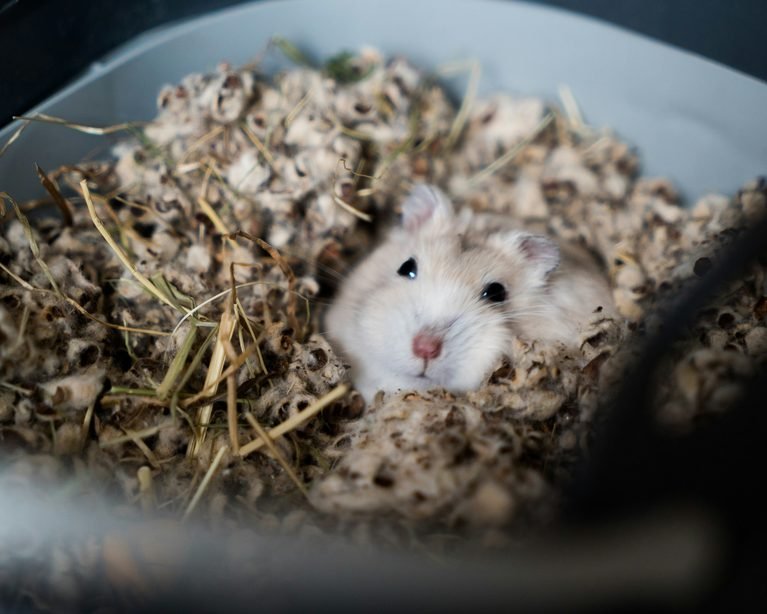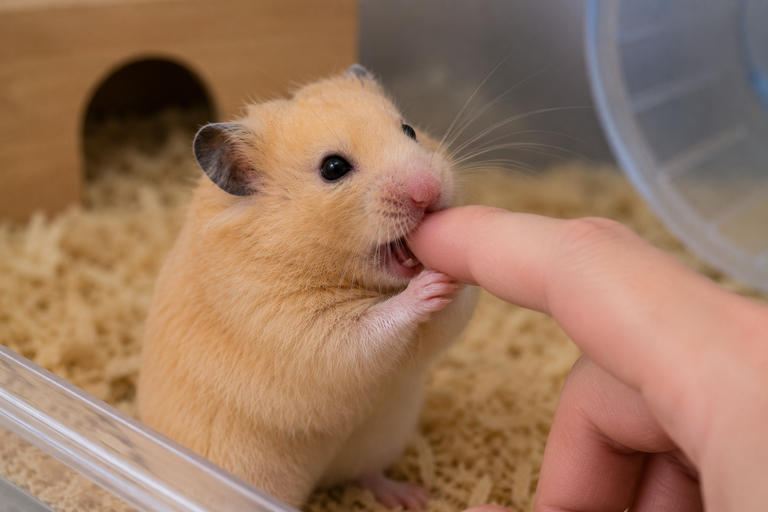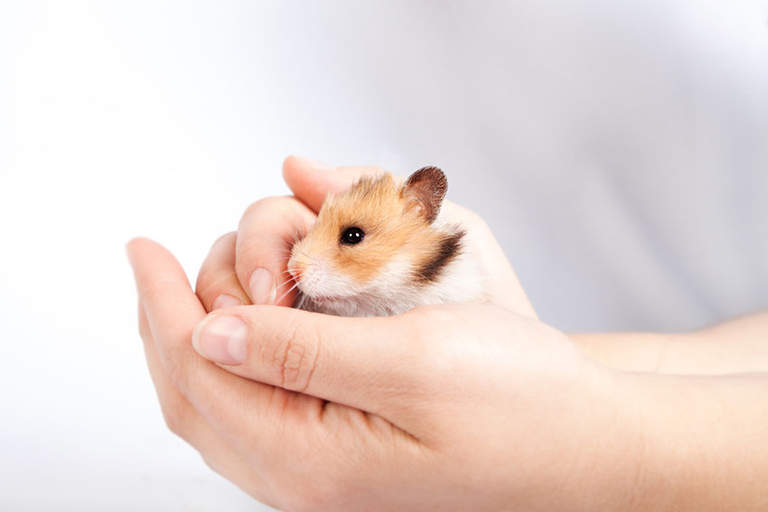
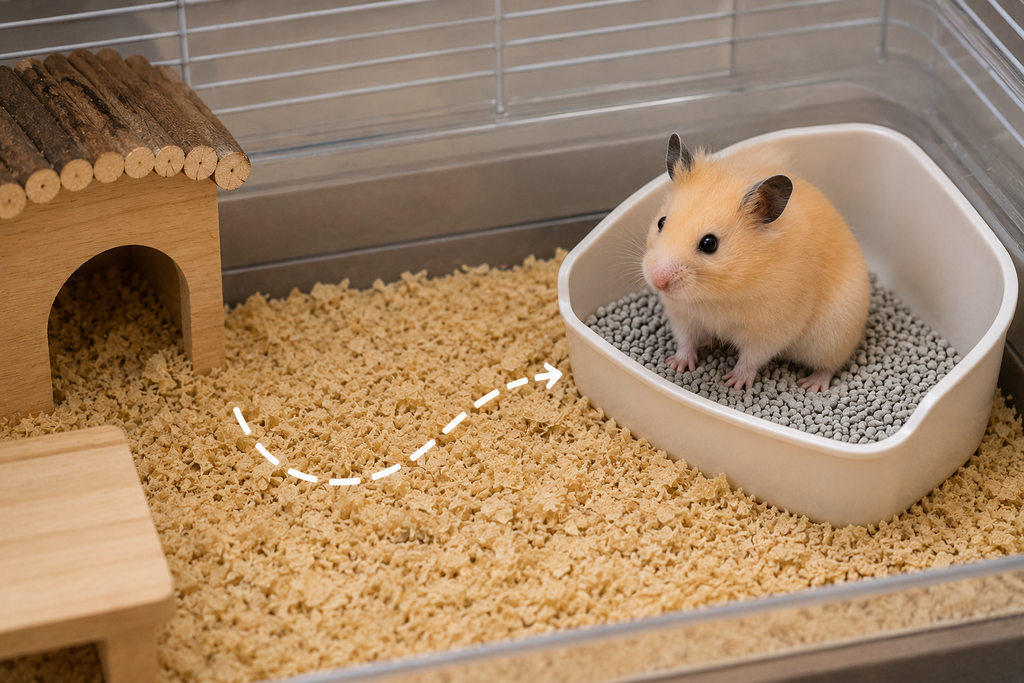
Yes. Many hamsters can learn to use a particular toilet area, and some need very little encouragement. BC SPCA notes that most hamsters already choose one corner or area as a toilet, so the easiest method is to work with that existing habit rather than trying to teach a completely new one.
Place a suitable small tray where your hamster already toilets and add a little soiled bedding at first as a scent cue. Some hamsters may use the tray consistently, while others will continue using more than one area. The goal is easier spot-cleaning, not a perfectly litter-trained hamster.
Can hamsters really be litter trained?
Yes, although “litter training” makes the process sound more complicated than it usually is.
BC SPCA’s hamster care guide says most hamsters use one corner or area as a toilet and recommends placing a hamster-sized litter box there with some soiled bedding inside.
Blue Cross hamster care guidance also states that hamsters can be litter-trained and notes that having a specific toilet area can make enclosure cleaning easier.
So you are usually not teaching the hamster where to go from scratch. You are identifying an area they already prefer and making that area easier to clean.
What I would not promise is that every hamster will use one tray perfectly or learn within a fixed number of days.
Step 1: find where your hamster already toilets
Before buying or positioning a tray, inspect the enclosure during normal spot-cleaning.
Look for:
- damp bedding
- an area of sand that repeatedly becomes wet
- a corner or hide that becomes soiled more often than the rest
Woodgreen specifically notes that some hamsters choose particular toilet spots and that some use their sand bath as a toilet.
If your hamster already has a clear preferred area, put the toilet tray there rather than choosing the location based on where it looks best in the enclosure.
Do not assume the toilet will always be the corner farthest from the nest. Individual hamsters can choose differently.
Step 2: choose a simple toilet tray
You do not need a complicated commercial hamster toilet.
BC SPCA suggests either a hamster-sized litter box or an appropriately sized glass jar placed on its side.
A tray should be:
- stable
- easy for the hamster to enter and leave
- large enough for the hamster to use comfortably
- free from sharp or damaged edges
A shallow glass or ceramic container can also be practical because it is easy to clean and difficult for a hamster to tip over.
Do not sacrifice important enclosure space just to fit an oversized toilet. Deep bedding, hides, a suitable wheel and other normal hamster needs still matter more.
Step 3: use a suitable substrate
If your hamster already urinates in a sand bath, you may not need a separate litter product at all.
Woodgreen’s hamster care guidance recommends providing a sand bath containing hamster-safe sand. Woodgreen’s cleaning guidance specifically tells owners to remove wet areas of the sand bath when a hamster uses it as a toilet.
That is stronger guidance than simply recommending “chinchilla sand,” because products sold for different small animals are not necessarily identical.
I would avoid turning this article into a long list of supposedly toxic litter products without hamster-specific evidence. The safer rule is to use a substrate already considered suitable for hamsters and avoid dusty, scented or clumping products that are not intended for hamster use.
For a broader look at substrates, see hamster bedding to avoid.
Step 4: add a little soiled bedding at first
This part of the original method has direct support.
BC SPCA recommends placing some of the hamster’s soiled bedding in the litter box to encourage the hamster to use it.
You only need enough to provide a familiar scent cue.
Then let the hamster investigate the tray normally.
There is no need to repeatedly place the hamster into the toilet box, restrain them there or reward every successful use.
Also, do not turn the scent cue into a reason to leave wet, dirty litter in the enclosure indefinitely.
Step 5: follow the hamster’s choice
If your hamster continues urinating beside the tray, reconsider the setup.
The tray may not be exactly where the hamster wants to toilet, the entrance may be inconvenient, or your hamster may simply prefer another area.
Move the tray to the location the hamster is actually using rather than repeatedly trying to make the hamster accept your preferred corner.
Some hamsters may continue using more than one toilet area. That does not mean litter training has “failed.”
Even concentrating some of the wet bedding in one easy-to-clean location can reduce the amount of bedding that needs to be disturbed during routine cleaning.
Should you keep dirty litter in the box?
Not permanently.
Adding some soiled bedding when introducing the toilet has good support as a scent cue. That is different from deliberately keeping urine-soaked material in the tray after it needs cleaning.
Woodgreen recommends removing wet areas from a sand bath used as a toilet and replacing dirty sand.
For broader enclosure cleaning, both RSPCA and Blue Cross recommend preserving some familiar unsoiled bedding so the hamster retains familiar scents after cleaning.
That is the useful distinction:
Use a little soiled bedding initially to indicate the toilet area. Remove genuinely dirty material during normal cleaning. Preserve clean familiar bedding elsewhere when refreshing the enclosure.
How often should you clean the litter area?
There is no universal every-other-day schedule.
Clean according to how quickly the toilet area becomes wet or dirty.
Woodgreen recommends daily spot-cleaning of wet areas when a hamster uses its sand bath as a toilet. Its broader enclosure guidance uses a refresh clean roughly every two to three weeks, depending on the hamster and setup.
RSPCA and Blue Cross give somewhat different broader schedules. Both say cage-cleaning frequency depends on factors such as enclosure size and whether the hamster uses a specific toilet area, with a deeper clean generally needed around once or twice a month and spot-cleaning every few days.
So I would not turn litter training into a fixed calendar.
Remove wet or spoiled material when it needs removing while avoiding unnecessary disturbance of clean bedding.
What if the hamster uses the sand bath as a toilet?
You can work with it.
Woodgreen specifically recognizes that hamsters may use their sand bath as a toilet and recommends removing the wet areas and replacing dirty sand.
There is no requirement that every hamster must have a separate “bathroom” and grooming sand bath if their existing setup is working safely.
For Roborovski hamsters in particular, Blue Cross emphasizes that access to a substantial sand area is an important part of their environment.
So I would not remove or drastically reduce a Roborovski’s sand area simply because the hamster also urinates in it. Spot-clean the soiled areas and maintain usable clean sand.
Can you train a hamster to poop in the litter box too?
I would keep expectations modest.
The sources supporting hamster litter training focus primarily on establishing or using a preferred toilet area. They do not give us good evidence that every hamster can be trained to deposit every dropping in one tray.
You may still find droppings elsewhere in the enclosure.
That is not necessarily a reason to retrain the hamster or repeatedly deep-clean the enclosure. Spot-clean visible waste as appropriate and focus primarily on preventing wet or dirty areas from accumulating.
I would also remove the common explanation that scattered hamster droppings are automatically a “territorial marking behavior” unless there is stronger behavioral evidence for that specific claim.
Can every hamster species be litter trained?
Hamster-care organizations discuss litter or toilet areas as a general hamster behavior rather than limiting them to Syrian hamsters.
However, that does not prove every Syrian, Chinese, Campbell’s, Winter White and Roborovski hamster will behave identically.
Individual toilet habits matter more than creating species-specific guarantees.
Some hamsters quickly settle on one obvious toilet area. Others use multiple places or regularly urinate in their sand bath.
Work with the individual hamster rather than trying to achieve a perfect training result.
Does litter training replace normal cage cleaning?
No.
A toilet area can make spot-cleaning easier, but the rest of the enclosure still needs maintenance.
RSPCA stresses the balance between keeping an enclosure hygienic and avoiding excessive disturbance. How often deeper cleaning is needed depends partly on enclosure size and whether the hamster has a predictable toilet area.
Blue Cross similarly advises preserving some unsoiled used bedding during a larger clean because familiar smells help hamsters feel secure.
So avoid both extremes:
- do not leave wet, smelly bedding indefinitely because the hamster is “litter trained”
- do not routinely strip every piece of bedding and scent from the enclosure just to make it look completely new
Spot-cleaning is one of the main reasons litter training can be useful.
The bottom line
Yes, many hamsters can use a designated toilet area. BC SPCA says most hamsters naturally choose one corner or area, and placing a small litter box there with some soiled bedding can encourage them to keep using that location.
Do not expect perfection or promise that training will happen within a few days. Put the tray where your hamster already toilets, use an appropriate hamster-safe substrate, provide an initial scent cue and then follow the hamster’s habits.
If your hamster chooses the sand bath as a toilet, that can also be workable. Remove wet areas and replace dirty sand rather than forcing a separate litter box.
Most importantly, use litter training to make spot-cleaning less disruptive, not as a reason to follow rigid cleaning schedules or leave soiled material in the enclosure.
Keep reading: Hamster bedding to avoid
Hamster Corner provides general educational information about hamster care. If your hamster suddenly changes urination habits, strains to urinate, passes blood in the urine or shows another meaningful health change, contact a hamster-experienced veterinarian.