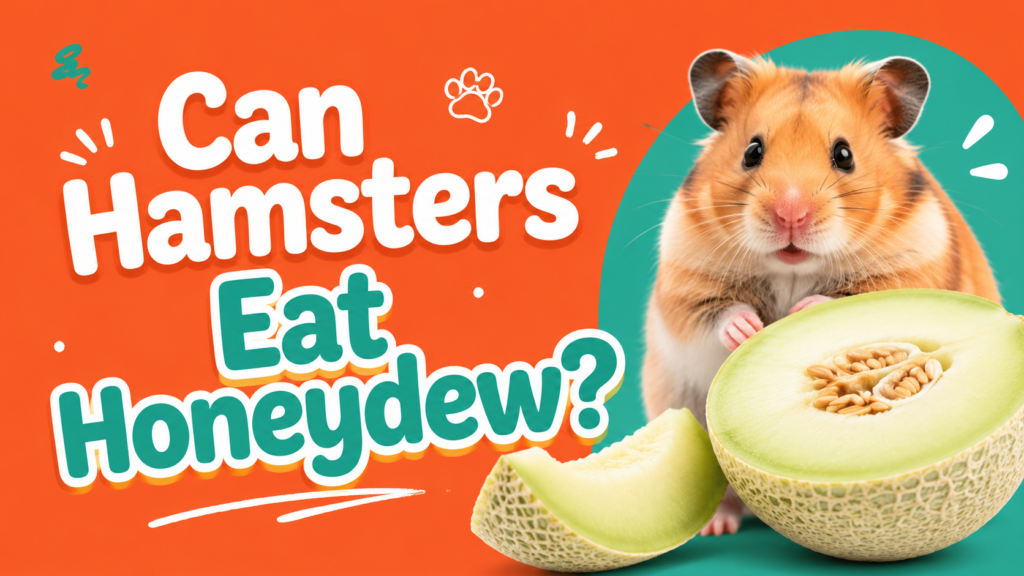
Honeydew is a sweet melon that is about 90% water and contains roughly 8 grams of sugar per 100 grams. That is a moderate sugar level for a fruit: higher than cucumber or zucchini, but lower than banana or mango. Hamsters are attracted to sweet foods, but their small size means even a small cube adds meaningful sugar to their diet. The high water content also means that too much honeydew can cause loose, watery stools. Keep portions small and do not offer it every day.
Is honeydew safe for hamsters?
Yes, honeydew flesh is safe in small amounts. The seeds should be removed because they are a choking hazard for small hamsters. The rind is very tough and offers little nutritional value; remove it before serving. Honeydew juice or honeydew-flavored products are not appropriate because they concentrate the sugar without the fiber of the whole fruit.
Quick takeaway: a thumbnail-sized cube of fresh honeydew flesh, once a week, seeds and rind removed, for a Syrian. Dwarf hamsters: half that size, once a week or less.
How much honeydew can a hamster eat?
A small cube, not a slice. A thin slice of honeydew from a standard melon can weigh 30-50 grams, which is far too much for a hamster that weighs 100-200 grams. Cut a small cube from the flesh, remove seeds, and offer just that piece.
| Hamster | Portion | How often |
|---|---|---|
| Syrian | A thumbnail-sized cube of honeydew flesh (no seeds or rind) | Once a week |
| Dwarf (Robo, Winter White, Campbell’s) | Half a thumbnail-sized cube | Once a week or less |
For a complete guide to safe hamster foods, see our page on what hamsters can eat, our list of foods toxic to hamsters, and our guide to safe vegetables for hamsters.
Why are dwarfs at higher risk with honeydew?
Campbell’s, Winter White, and Roborovski dwarf hamsters have a genetic predisposition to diabetes mellitus. Regular consumption of sugary fruits, including honeydew, can accelerate the onset of diabetes or worsen existing blood sugar problems. Signs of diabetes in a dwarf hamster include drinking much more water than normal, increased urination, and gradual weight loss despite eating normally. If you notice these signs, contact an exotic vet and cut out all sugary treats immediately.
How to prepare honeydew for a hamster
Choose ripe honeydew. Wash the outside of the melon before cutting to prevent surface bacteria from transferring to the flesh. Cut a small cube from the flesh, removing all seeds and the green rind. Let it come to room temperature if refrigerated. Place the cube in the cage and remove any uneaten piece within two hours, since melon ferments quickly at cage temperature.
- Remove seeds. Melon seeds are a choking hazard for small hamsters.
- Remove rind. The rind is tough and largely indigestible; remove it completely.
- Room temperature. Very cold melon from the fridge can cause digestive upset.
- Remove leftovers. Melon ferments quickly; take it out within two hours.
What happens if a hamster eats too much honeydew?
Too much honeydew causes loose or watery stools from the high water and sugar content. Repeated overfeeding contributes to obesity and, in dwarfs, to diabetes. If you notice soft droppings or your hamster’s cage smells particularly strong after a melon feeding, reduce the portion next time. If loose stools persist for more than a day or two, stop melon entirely and see a vet if the stools do not firm up within 48 hours.
Frequently asked questions
Can dwarf hamsters eat honeydew?
Yes, in a very small amount. Half a thumbnail-sized cube of honeydew flesh, once a week or less, is acceptable. Given their diabetes predisposition, dwarf hamsters should be prioritized for low-sugar snacks like cucumber, zucchini, or bell pepper rather than sweet melons as their primary fresh food.
Is honeydew safer than watermelon for hamsters?
Both are safe in small portions. Watermelon has slightly less sugar than honeydew by weight but is even higher in water. Both should be served in the same small amounts. Watermelon seeds should also be removed before serving.
Can hamsters eat honeydew rind?
It is best to remove the rind before offering honeydew. The rind is tough, has little nutritional value, and may have pesticide residue on the outer skin. Stick to the flesh only.
The bottom line
Honeydew is a safe treat for hamsters in small, infrequent portions. A thumbnail-sized cube of flesh, once a week, is appropriate for a Syrian. Dwarf hamsters should receive half that amount even less often, given their diabetes risk. Always remove seeds and rind, serve at room temperature, and take out any uneaten pieces within two hours. Pair honeydew with lower-sugar fresh foods throughout the week to keep the overall diet balanced.
Keep reading: What Can Hamsters Eat?, Foods Toxic to Hamsters, Safe Vegetables for Hamsters
Hamster Corner provides general educational information about hamster care. It is not a substitute for professional veterinary advice. If your hamster shows signs of illness, contact an exotic vet promptly.