Diarrhea in a hamster deserves prompt attention. A sudden diet change or too much fresh food can contribute to digestive upset, but diarrhea can also result from bacterial or parasitic disease, medication, stress, or other illness. Because hamsters can become dehydrated quickly, I would not use a blanket rule of removing fresh food and waiting 24 to 48 hours.
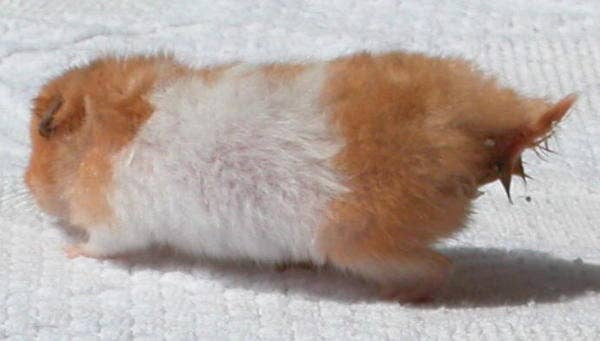
A wet, feces-soiled rear, watery diarrhea, reduced appetite, lethargy, weight loss, or a hunched posture makes veterinary care especially urgent. Young hamsters are at particularly high risk from serious intestinal disease.
What causes diarrhea in hamsters?
There is no single cause.
PetMD’s current wet-tail guidance explains that hamster diarrhea can result from infectious causes such as bacteria, protozoa, and intestinal parasites, as well as non-infectious factors including sudden diet changes, excessive fresh foods or treats, certain medications, environmental stress, overcrowding, poor hygiene, and spoiled food.
The Merck Veterinary Manual identifies proliferative ileitis, caused by Lawsonia intracellularis, as the most significant cause of diarrhea in young hamster pups. It progresses rapidly and is especially associated with hamsters that are young or under stress.
Merck Veterinary Manual hamster disorders
So it is reasonable to consider a recent diet change when stools become abnormal, but it is not safe to assume food is the cause simply because cucumber, lettuce, fruit, or another fresh food was recently offered.
Is all hamster diarrhea “wet tail”?
The terminology is less clear-cut than many pet guides suggest.
PetMD describes wet tail as another term for diarrhea in hamsters, with the name coming from soft or watery stool soiling the fur around the rear. It is particularly associated with young hamsters, but diarrhea can occur at any age.
In veterinary literature, one particularly serious disease commonly associated with the wet-tail presentation is proliferative ileitis caused by Lawsonia intracellularis. Merck says this disease is especially important in Syrian hamsters around 3 to 10 weeks old.
That means the usual internet table separating “ordinary diarrhea” from “wet tail” can give owners too much confidence.
A hamster can have diarrhea from diet or stress, but appearance alone does not reliably establish the cause.
For a closer look at the condition, see our hamster wet tail guide.
Signs that make diarrhea more concerning
True watery diarrhea is already worth taking seriously. Concern rises further when it occurs with other signs of illness.
PetMD and Merck describe warning signs including wet or matted fur around the rear, reduced appetite, lethargy, weight loss, abdominal discomfort, and a hunched appearance. Woodgreen also includes a very strong fecal smell among signs commonly seen with wet tail.
Woodgreen hamster health guidance
However, the absence of a strong smell does not prove that diarrhea is harmless.
Likewise, a hamster still moving around does not automatically mean it is safe to wait two days. Hamsters can deteriorate quickly, and early disease may be less dramatic than advanced illness.
For other signs that should raise concern, see signs of a sick hamster.
Should you wait 24 to 48 hours?
I would remove that recommendation.
The RSPCA specifically advises owners to talk to a veterinarian immediately if a hamster begins eating less, develops moist droppings, or has soiled hindquarters.
RSPCA hamster diet and health guidance
PetMD similarly recommends veterinary care promptly for wet tail because hamsters lose fluids quickly and can become dehydrated and weak. Its current guidance says hamsters with wet tail should ideally be examined by an exotic-animal veterinarian within 24 hours.
So I would not tell readers:
“Remove vegetables and wait 48 hours.”
A better rule is:
If your hamster has true diarrhea or persistently moist stools, contact a hamster-experienced vet promptly, particularly if the hamster is young or has any other signs of illness.
What can you do while arranging veterinary care?
Keep fresh drinking water available at all times. Do not restrict water because the hamster is producing wet stools.
Avoid introducing new foods, treats, supplements, or sudden diet changes while the cause is being investigated. Keep the enclosure appropriately warm, quiet, and clean, and replace heavily soiled bedding so the hamster is not sitting in fecal material.
If possible, note when the diarrhea started, recent diet changes, medications, changes in environment, and whether appetite or water consumption has changed. PetMD also suggests that a fresh stool sample may be useful at the veterinary appointment.
Do not give human anti-diarrheal medication, leftover antibiotics, or medications intended for another animal without veterinary direction.
The RSPCA warns that human and other-animal medications can be dangerous for hamsters, and some antibiotics themselves can cause severe digestive disease.
Do you need to stop all fresh food?
Do not turn this into a fixed home-treatment protocol.
If the diarrhea appeared after introducing a new food, stop offering that particular new extra until you have spoken with your vet. But withholding categories of food for several days is not a substitute for diagnosis.
PetMD notes that excessive vegetables, fruit, sugary treats, or abrupt changes in the staple food can contribute to diarrhea. That supports avoiding sudden diet changes and overfeeding fresh extras, not prescribing a universal 48-hour fast from vegetables.
A hamster still needs appropriate nutrition and unrestricted fresh water.
Young hamsters need particular caution
Young hamsters deserve a lower threshold for veterinary care.
Merck identifies proliferative ileitis as the most consequential intestinal disease in 3-to-10-week-old Syrian hamsters, and PetMD identifies the same age group as being at highest risk for wet tail.
Stress associated with transportation, a new environment, overcrowding, illness, surgery, or diet changes may also be associated with the disease.
This is particularly relevant to recently purchased young hamsters that develop watery diarrhea shortly after arriving home.
Do not wait for them to become severely lethargic before contacting a veterinarian.
How does a vet diagnose the cause?
Diagnosis is not based only on whether the hamster’s rear looks wet.
A veterinarian may consider the hamster’s age, clinical signs, hydration, diet, recent stressors, medication history, and enclosure conditions. Depending on the case, testing may include examination of a fecal sample, cytology, parasite testing, PCR testing, bacterial culture, or imaging.
PetMD wet tail diagnosis overview
That matters because diarrhea can have different causes that require different treatment.
For example, bacterial disease, parasites, medication-associated intestinal disease, and dietary upset are not necessarily managed in the same way.
How is serious diarrhea treated?
Treatment depends on the cause and severity.
Veterinary care may involve fluid replacement, nutritional support, warmth, pain control, antibiotics, antiparasitic treatment, or other medication when appropriate.
Merck specifically describes fluid replacement as an important part of treating serious diarrheal disease because dehydration and electrolyte imbalance can become life-threatening.
Merck Veterinary Manual hamster disorders
Do not attempt to copy medication names or doses from veterinary references. Those treatments are intended for veterinary decision-making and depend on the individual hamster.
How to reduce the risk of digestive upset
The most defensible prevention advice is simple:
- avoid sudden changes to the staple diet
- keep fresh foods and treats moderate
- provide clean drinking water continuously
- remove spoiled fresh food and contaminated hoards
- maintain appropriate enclosure hygiene
- avoid unnecessary stress where possible
- never give antibiotics or other medication unless directed by a veterinarian
The RSPCA specifically recommends avoiding sudden dietary changes and stale food because these can upset a hamster’s digestive system.
There is no need to invent a mandatory seven-to-ten-day transition schedule or thumbnail-sized vegetable rule unless a reliable source supports those exact numbers.
Frequently asked questions
Is hamster diarrhea always wet tail?
“Wet tail” is commonly used to describe diarrhea that soils the fur around a hamster’s rear, particularly in young hamsters. Serious infectious diseases such as proliferative ileitis are strongly associated with this presentation, but diarrhea can have several infectious and non-infectious causes.
The important step is identifying the cause with veterinary help rather than relying on the label.
Can vegetables cause diarrhea in hamsters?
Too much fresh produce or a sudden dietary change can contribute to intestinal upset, according to current veterinary guidance.
But if your hamster develops true diarrhea, do not automatically assume the latest vegetable caused it. Infection, parasites, medication, stress, and other disease are also possibilities.
How long should I wait before calling a vet?
I would not use a fixed 24-to-48-hour waiting rule.
The RSPCA advises immediate veterinary contact when droppings become moist or the hindquarters become soiled, and PetMD recommends prompt care because hamsters can dehydrate quickly.
Can I give my hamster anti-diarrhea medicine?
Not without veterinary direction.
Human medication and medication intended for other animals can be dangerous to hamsters. Some antibiotics can themselves cause severe intestinal disease in this species.
Bottom line
Do not assume hamster diarrhea is a harmless reaction to watery vegetables and wait 48 hours for it to disappear.
Diet changes and excessive fresh foods can contribute to digestive upset, but bacterial disease, parasites, medication, stress, and other conditions can also cause diarrhea.
Wet or matted fur around the rear, watery stools, reduced appetite, lethargy, weight loss, a hunched posture, or a strong fecal smell are particularly concerning. Young hamsters are at higher risk from rapidly progressive proliferative ileitis.
If your hamster has true diarrhea or persistently moist droppings, contact a hamster-experienced veterinarian promptly rather than relying on a home waiting period.
Keep reading: Hamster wet tail · Signs of a sick hamster · What can hamsters eat?