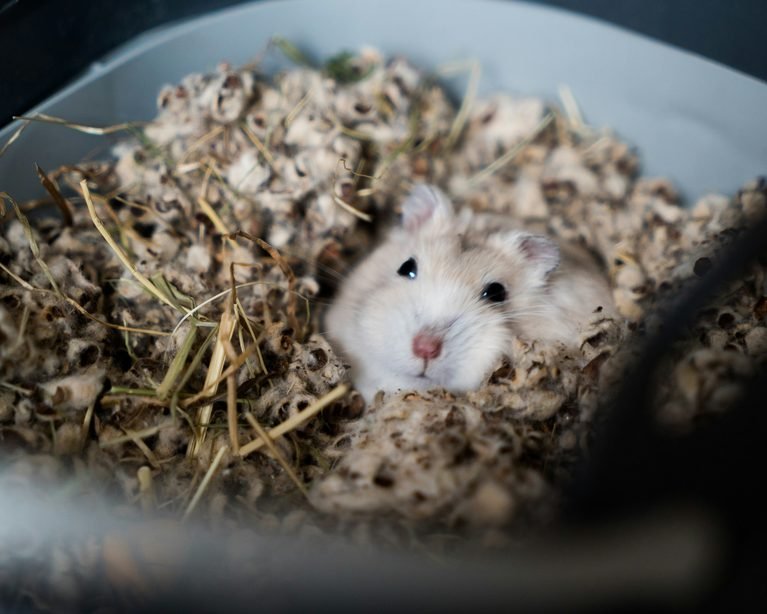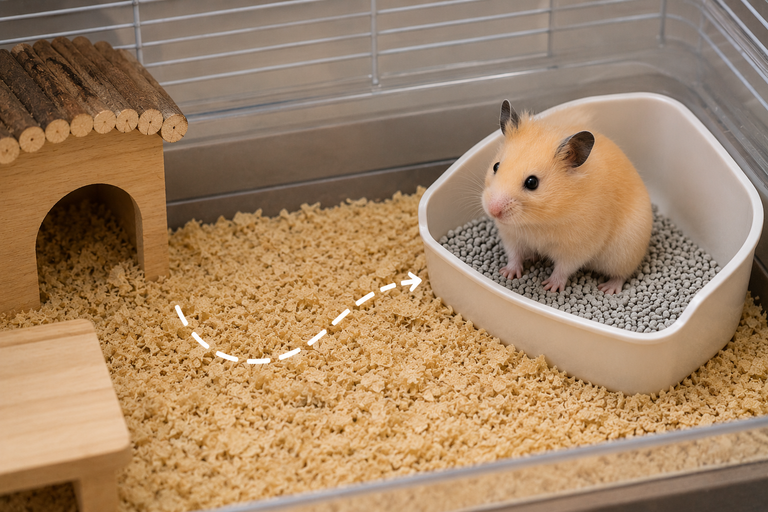
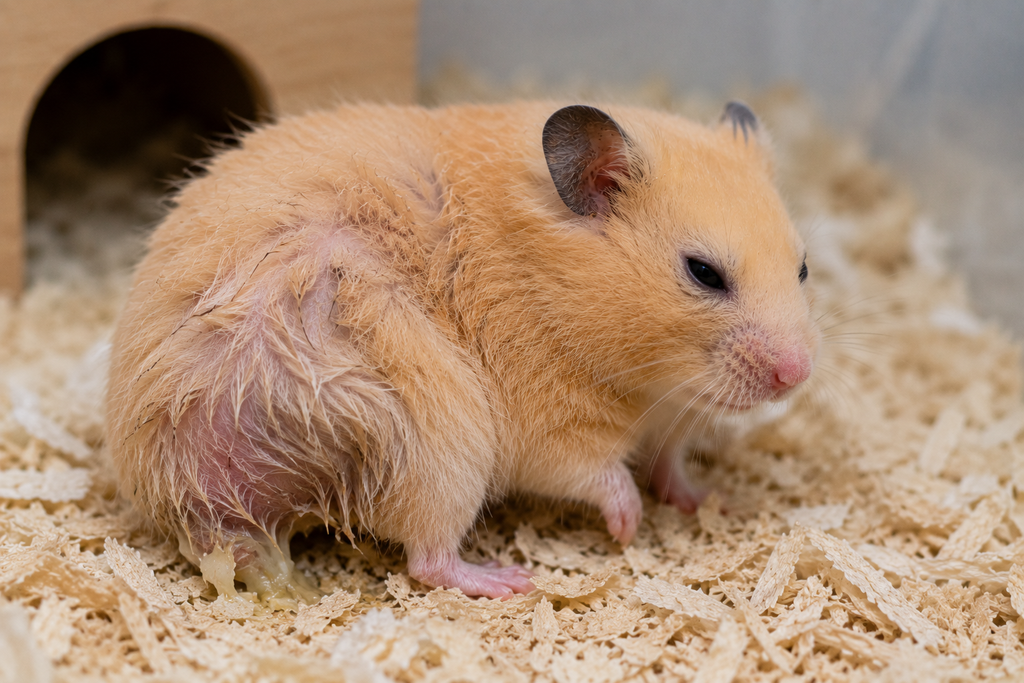
Diabetes mellitus can occur in hamsters and deserves veterinary attention if you notice signs such as drinking or urinating much more than usual, unexplained weight loss, or reduced energy. Dwarf hamsters are often discussed as being at higher risk, but the evidence is more nuanced than saying every dwarf species is equally diabetes-prone. A urine or blood glucose result can help with diagnosis, but symptoms or a home test strip alone should not be used to diagnose or treat a hamster.
The most useful approach is to recognize possible signs early, avoid overfeeding sugary foods, maintain an appropriate complete diet and let a hamster-experienced veterinarian determine whether diabetes is actually present.
What is diabetes in hamsters?
Diabetes mellitus is a metabolic disorder involving abnormal regulation of blood glucose.
Insulin normally helps the body move glucose from the bloodstream into cells where it can be used for energy. Diabetes can involve insufficient effective insulin, abnormal insulin response or other disturbances in glucose metabolism.
That broad definition is safer than saying hamster diabetes works exactly like type 2 diabetes in humans. Hamsters have been used in several different diabetes research models, and the underlying disease is not necessarily identical across species, colonies or individual pets.
For example, historical research found genetically determined hyperglycemia in a laboratory colony of Djungarian hamsters (Phodopus sungorus), while Chinese hamsters (Cricetulus griseus) have a long history as a model of spontaneous hereditary diabetes.
Those studies help establish that inherited metabolic abnormalities occur in hamsters. They should not be converted into a single disease mechanism for every pet hamster.
Which hamsters are more prone to diabetes?
There is good reason to pay particular attention to dwarf hamsters, but I would avoid a rigid species risk chart.
PDSA specifically says Russian dwarf hamsters are particularly prone to diabetes.
PetMD’s dwarf hamster care guide, written and reviewed by veterinarians, also includes diabetes among health conditions seen in dwarf hamsters.
Research provides additional context. A laboratory colony of Phodopus sungorus developed genetically determined abnormalities in glucose metabolism, and hereditary diabetes has been extensively documented in Chinese hamster research lines.
What this evidence does not establish is that:
- every Campbell’s hamster has a high risk
- every Winter White has the same risk as a Campbell’s
- Roborovskis have an established low risk
- Syrian hamsters have a specific “low to moderate” risk
- all pet dwarf hamsters should be managed as if they already have diabetes
Species names can also become messy in older research because Campbell’s and Winter White hamsters were historically classified and named differently.
So the practical message is simpler: take diabetes seriously in dwarf hamsters, particularly Russian dwarf lines, but do not assume every dwarf hamster has the same metabolic risk.
What are the signs of diabetes in a hamster?
Possible signs include:
- drinking noticeably more than usual
- increased urination or unusually wet bedding
- unexplained weight loss
- reduced energy or lethargy
- changes in appetite
These signs are compatible with diabetes, but they are not specific enough to diagnose it at home.
For example, increased drinking and urination can also occur with kidney or urinary disease. Weight loss has many possible causes, including dental disease, gastrointestinal illness and tumors.
Cloudy eyes or cataracts can also be associated with diabetes. PetMD notes that diabetes can contribute to cataract formation in hamsters and that cataracts are commonly reported in Campbell’s dwarf hamsters.
I would not include eye discharge as a characteristic diabetes sign without stronger evidence.
Likewise, “sweet-smelling urine” is widely repeated online but is too subjective to use as a useful diagnostic sign.
If your hamster is showing several changes at once, see our guide to signs of a sick hamster.
Does increased drinking mean a hamster has diabetes?
No.
Drinking much more than usual is an important sign to notice, but diabetes is only one possible explanation.
Kidney disease and other systemic illnesses can also alter thirst and urination.
That is why it is useful to tell your vet about:
- how quickly water consumption changed
- whether urine output also appears greater
- whether body weight is falling
- whether appetite has changed
- whether activity has changed
Do not reduce access to water because your hamster seems to be drinking excessively. Fresh water should remain available while the cause is investigated.
How is diabetes diagnosed in hamsters?
A veterinarian may use urine and/or blood testing to investigate suspected diabetes.
Glucose in the urine or persistently elevated blood glucose can support the diagnosis, but the process is not always as simple as taking one reading and declaring the hamster diabetic.
Stress and recent food intake can affect glucose measurements. Veterinary guidance on hamster diabetes notes that more than one sample may sometimes be needed because glucose levels can fluctuate.
The veterinarian also needs to consider other illnesses that can produce similar signs.
So I would change:
“A simple urine or blood glucose test confirms diabetes.”
to:
“Urine and blood glucose testing can help diagnose diabetes, but results need veterinary interpretation and sometimes confirmation.”
Can you test a hamster for diabetes at home?
Urine glucose strips may be useful as a screening clue, but they are not a replacement for a veterinary diagnosis.
A positive glucose result is a reason to contact a hamster-experienced vet, not a reason to immediately put the hamster on a homemade “diabetes diet” or start treatment.
A negative home strip also should not override concerning symptoms.
This distinction matters because the signs of diabetes overlap with other illnesses, and blood glucose can be affected by stress and other factors.
If your hamster is drinking dramatically more, losing weight, becoming lethargic or otherwise seems unwell, arrange veterinary assessment regardless of what an at-home strip says.
Does sugar cause diabetes in hamsters?
This needs more nuance than the original article gave it.
PDSA advises owners to avoid overfeeding sugary fruit and vegetables, noting that this can contribute to health problems including obesity and diabetes and that Russian dwarf hamsters are particularly susceptible.
That supports limiting excessive sugary extras.
It does not prove that:
one sugary food → blood glucose spike → diabetes
or that sugar is a direct trigger in every hamster.
Genetic susceptibility and overall metabolic health also matter.
So I would not use diabetes as a reason to label every naturally sweet food dangerous or to claim that a small piece of fruit can “trigger diabetes.”
For the broader feeding framework, see what dwarf hamsters eat.
Should dwarf hamsters eat fruit?
Fruit does not need a universal ban for every healthy dwarf hamster.
PetMD’s current dwarf hamster guidance includes fruits such as apple, pear, strawberry, banana and blueberry in limited amounts.
That directly conflicts with the common online rule:
“Dwarf hamster = absolutely no fruit.”
A more defensible approach is to keep sugary foods modest and avoid making sweet treats a large part of the diet.
If a hamster has confirmed diabetes, its diet becomes an individual medical issue and should follow veterinary advice rather than the same recommendations used for a healthy hamster.
What should a hamster with diabetes eat?
There is no single evidence-based “diabetic hamster diet” that should be prescribed to every hamster online.
The staple should remain a nutritionally appropriate complete hamster food unless the treating veterinarian recommends otherwise.
For diagnosed diabetes, the vet may recommend changes based on:
- the hamster’s species
- body condition
- current staple food
- symptoms
- glucose measurements
- other medical problems
Avoiding sugary commercial treats such as honey-based products is reasonable. But that does not justify replacing a balanced diet with a homemade mixture of low-sugar foods.
Likewise, vegetables such as cucumber, broccoli or zucchini should not be presented as diabetes treatments simply because they contain relatively little sugar.
A complete diet comes first.
Can hamster diabetes be treated?
Management depends on the individual case, and hamster-specific clinical evidence is limited.
Dietary changes and ongoing monitoring may form part of a veterinarian’s plan. Some medications have been used in hamster diabetes, particularly in research or specialist veterinary settings, but treatment is complicated by the hamster’s small size and by variation between cases.
That is why I would remove blanket statements such as:
- “there is no cure”
- “diet controls hamster diabetes”
- “treatment is quick and straightforward”
- “all diabetic hamsters can be managed effectively with diet”
Those conclusions are stronger than the available pet-hamster evidence.
The safest answer is that confirmed diabetes requires individualized veterinary management.
Do not give insulin, human diabetes medication, herbal glucose-lowering products or other treatments unless they have been specifically prescribed for your hamster.
Do diabetic hamsters develop cataracts?
They can.
PetMD identifies diabetes as one possible underlying factor in hamster cataracts because persistent high blood glucose can affect the lens.
But cloudy eyes are not proof of diabetes. Aging, genetics, trauma and other eye problems can also cause cataracts.
If your hamster develops a new cloudy or milky appearance in an eye, especially alongside increased thirst, urination or weight loss, mention all of those signs to your vet.
Is diabetes mainly a disease of older hamsters?
I would remove that claim.
The original article says hamsters over 12 to 18 months are more vulnerable, but I could not find reliable hamster-specific evidence supporting that age cutoff.
In fact, some historical hereditary hamster diabetes models developed metabolic abnormalities very early in life.
That does not mean pet hamsters usually become diabetic as babies either. It simply shows why a generic “older hamster disease” rule is not justified.
Risk depends more on the individual hamster and its underlying biology than on crossing a particular birthday.
When should you contact a vet?
Contact a hamster-experienced veterinarian promptly if your hamster develops unexplained:
- increased drinking
- increased urination
- weight loss
- reduced appetite
- significant lethargy
- cloudy eyes alongside other systemic signs
- another clear change from its usual behavior
The combination of increased thirst, increased urination and weight loss makes diabetes an important possibility, but it still does not diagnose the condition.
Do not wait for several symptoms to appear before asking for veterinary advice. Hamsters can hide illness and may deteriorate quickly.
The bottom line
Diabetes can occur in hamsters, and dwarf hamsters deserve particular attention, but the common internet version of “all dwarfs are genetically diabetes-prone and must never eat fruit” goes beyond the evidence.
PDSA specifically highlights Russian dwarf hamsters as particularly susceptible, while veterinary and laboratory literature shows that glucose-regulation disorders can occur in several hamster populations and species.
Watch for changes such as increased thirst and urination, unexplained weight loss and reduced energy. These signs warrant veterinary assessment because diabetes is only one possible cause.
Urine and blood glucose testing can help with diagnosis, but a single home test strip should not be treated as definitive.
And diet matters without becoming a cure-all: avoid overfeeding sugary foods, use a nutritionally appropriate complete staple, and let a veterinarian design the diet for a hamster that has actually been diagnosed with diabetes.
Keep reading: What do dwarf hamsters eat? | Signs of a sick hamster | What can hamsters eat?
Hamster Corner provides general educational information about hamster care. It is not a substitute for professional veterinary diagnosis or treatment. If you suspect your hamster has diabetes or another illness, contact a hamster-experienced veterinarian.