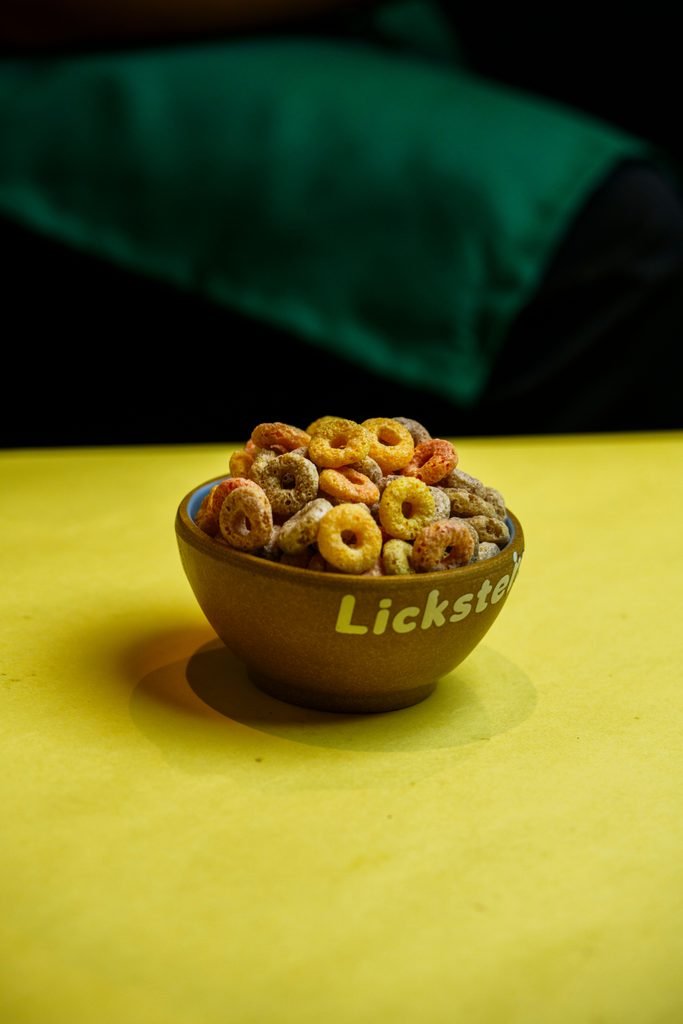
Hamsters can eat some plain cereal in small amounts, but breakfast cereal is optional and should not replace a nutritionally complete hamster food. Simple unsweetened grain cereals are easier to justify than frosted, chocolate, heavily sweetened or strongly flavored products. There is no hamster-specific evidence supporting a rule such as two Cheerios twice a week or a particular grams-of-sugar cutoff.
The word “cereal” covers everything from plain wheat and oats to chocolate-coated breakfast cereal packed with added ingredients. That makes the ingredient list more useful than trying to label the entire category safe or unsafe.
Woodgreen Pets Charity includes cereals among foods that can be offered to hamsters in moderation. The RSPCA also notes that cereals form part of the foods hamsters naturally eat, while recommending a nutritionally balanced commercial ration as the foundation of a pet hamster’s diet.
So cereal can be an occasional extra. It does not need to become a regular part of the feeding schedule.
What cereal can hamsters eat?
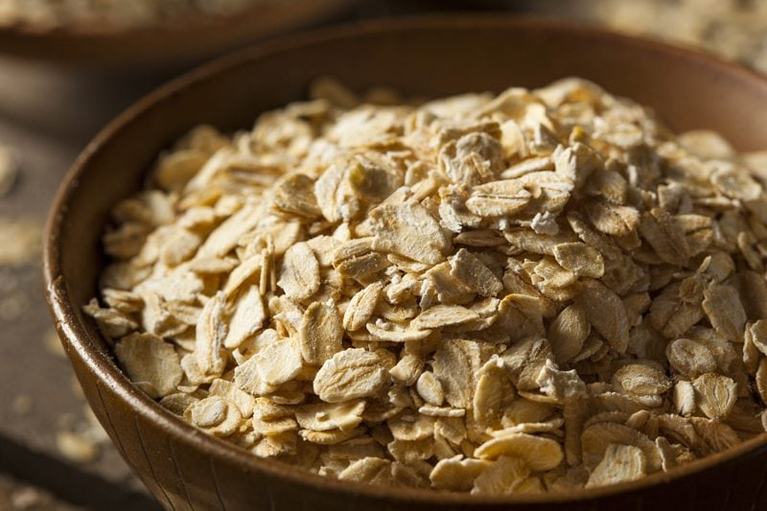
A simple cereal made mainly from grains is the easiest type to consider.
| Cereal type | Practical recommendation | Why |
|---|---|---|
| Plain puffed wheat or rice | Reasonable occasional option | Simple grain-based food with few additional ingredients |
| Plain shredded wheat | Reasonable occasional option | Mostly wheat, provided it is unfrosted and unflavored |
| Original plain oat rings such as Cheerios | Probably low concern in a small amount | Not specifically recommended by major hamster welfare sources, so there is no need to promote it as a preferred hamster treat |
| Frosted or sugar-coated cereal | Better skipped | Added sugar provides no useful role in a hamster diet |
| Chocolate or cocoa cereal | Avoid | Chocolate is specifically listed among foods hamsters should not eat |
| Strongly flavored cereal | Better skipped | Ingredients vary and may include sugar, salt, flavorings and other unnecessary additions |
| Cereal containing dried fruit | Check the actual ingredients | Dried fruit is not automatically toxic, but sweetened products and large amounts are unnecessary |
| Artificially sweetened cereal | Better skipped | Hamster-specific safety evidence for individual sweeteners is limited, so there is no reason to experiment |
The practical rule is not “whole grain equals safe.” It is simple ingredients, no known hazardous additions, and a very small amount if you choose to share it.
For the broader feeding framework, see What can hamsters eat? and Foods toxic to hamsters.
What about Cheerios?
Original Cheerios are often recommended online as a hamster treat, but the evidence is weaker than those recommendations make it sound.
Plain oat cereal is not obviously incompatible with a hamster diet. Hamsters already consume grains and cereals as part of appropriate dry foods, and Woodgreen includes cereals among possible treats.
What is missing is good hamster-specific guidance saying:
- Original Cheerios are a particularly healthy choice
- a hamster should receive exactly one, two or three rings
- Cheerios should be fed every week
- a separate serving is required for Syrian and dwarf hamsters
That does not make one plain Cheerio dangerous. It simply means there is no reason to turn a human breakfast cereal into a scheduled hamster food.
If you occasionally offer a tiny amount of a simple plain cereal, that is different from deliberately adding Cheerios to the regular diet.
How much cereal can a hamster eat?
There is no reliable hamster-specific serving size for breakfast cereal.
The previous version of this article recommended two to three pieces once or twice a week for Syrians and one to two pieces once a week for dwarfs. Those numbers sound precise, but they are not based on a demonstrated hamster requirement or safety threshold.
Woodgreen gives a more useful general guideline for treats: keep them small, roughly around the size of the hamster’s ear, and feed treats in moderation.
That does not mean every cereal treat must literally match an ear-shaped measurement. It is simply a reminder of how small optional foods should be compared with the hamster’s main diet.
A hamster can also have a perfectly complete diet without ever eating breakfast cereal.
Do not use a “5 grams of sugar” rule
Checking the ingredient list is useful. Creating a hamster safety cutoff from the human nutrition panel is not.
There is no established hamster guideline showing that a cereal containing 4 grams of sugar per human serving is safe while one containing 6 grams is unsafe.
Human serving sizes also vary enormously between products, so comparing sugar “per serving” can be misleading.
Instead, ask simpler questions:
- Is this mainly a plain grain?
- Does it contain substantial added sugar?
- Does it contain chocolate or another known hazardous ingredient?
- Is it heavily salted or flavored?
- Is there any reason to feed this instead of the hamster’s normal food?
If the cereal is essentially a dessert marketed as breakfast, skip it.
What about sugary cereal?
Sugary cereal is unnecessary.
Both veterinary and welfare guidance place the emphasis on nutritionally complete hamster food and limited extras. PetMD also specifically lists sugary foods among foods to avoid.
The reason does not need to be exaggerated into a claim that one sugary cereal piece will cause diabetes or immediately spike a dwarf hamster’s blood glucose.
It is enough to say that heavily sweetened cereal adds calories and sugar without providing anything a hamster needs.
Can dwarf hamsters eat cereal?
A dwarf hamster does not need a separate cereal rule simply because it is a dwarf.
The old advice that all dwarf hamsters are “diabetes-prone” is too broad. Roborovski, Winter White and Campbell’s hamsters should not automatically be treated as if they have identical metabolic risk.
There is also no evidence supporting a rule that a dwarf can have exactly one cereal piece while a Syrian can have three.
If you have a healthy dwarf hamster and choose to share a little plain cereal, keep it as a minor optional extra just as you would for a Syrian.
If your hamster has diagnosed diabetes or another condition requiring dietary management, follow your veterinarian’s feeding plan rather than using the cereal’s sugar number as a medical rule.
Are raisins in cereal dangerous?
Not automatically.
The previous version of this article classified cereal containing raisins as unsafe. That is too strong.
PetMD includes raisins among foods hamsters may eat, while other welfare guidance generally recommends keeping fruit and sweet extras limited. The more useful distinction is therefore between a food that is toxic and a food that may simply be unnecessary or easy to overfeed.
A heavily sweetened raisin cereal is still easy to skip, but that is not the same thing as saying a raisin makes the cereal poisonous.
What about xylitol and other sweeteners?
Do not assume the dog-xylitol rule automatically applies to hamsters.
Xylitol is a well-known veterinary emergency in dogs, but toxicity differs between species. Research in rodents has involved dietary exposure to xylitol, and the available evidence does not justify stating that a tiny amount is proven acutely toxic to hamsters in the same way it is to dogs.
That still does not make artificially sweetened cereal a useful hamster food.
The practical recommendation is simpler: skip artificially sweetened cereal because hamster-specific safety data are limited and there is no nutritional reason to offer it.
If your hamster has eaten a product containing a sweetener, keep the packaging, identify the exact ingredient and amount if possible, and contact a hamster-experienced veterinarian if you are concerned or if symptoms develop.
Can hamsters eat cereal with milk?
Dry cereal is the better choice, but not because all adult hamsters are proven lactose intolerant.
Published research in adult golden hamsters actually found unusual tolerance to lactose, so the blanket statement that hamsters cannot digest milk is inaccurate.
Milk still does not belong in the normal drinking routine. Hamsters need fresh water, and adding milk turns a dry cereal treat into a moist, perishable food that can be carried into the hamster’s hoard.
The RSPCA specifically advises that wet food should generally only be used when recommended by a veterinarian because it is more difficult to keep clean and can support mold and bacterial growth.
So if you offer cereal at all, offer it dry.
Is cereal a good enrichment or training treat?
It can work as a tiny food reward, but cereal has no special enrichment advantage.
Hamsters naturally forage, and scattering part of their normal dry food through bedding can encourage that behavior without adding another human food to the diet.
If your hamster is motivated by a tiny piece of plain cereal during handling or training, that is reasonable. Just count it among the day’s extras rather than treating training treats as nutritionally invisible.
What if your hamster eats sugary cereal by accident?
First, identify the actual product.
Check the ingredient list for chocolate, cocoa, onion or garlic flavoring, unusual sweeteners or other concerning ingredients.
If it was simply a small amount of an ordinary sugary cereal and your hamster remains normal, there is usually no reason to invent a detox routine.
Do not:
- force water
- give milk as an antidote
- fast the hamster
- remove all fresh foods for several days
- try to make the hamster vomit
Monitor normal eating, activity and stool.
If a known hazardous ingredient was involved, a large amount was eaten, or your hamster develops significant diarrhea, reduced appetite, weakness, lethargy or another meaningful change, contact a hamster-experienced veterinarian.
The bottom line
Hamsters can eat some plain cereal as a small optional extra, but breakfast cereal is not an important part of a hamster diet.
Woodgreen specifically includes cereals among acceptable treats, while the RSPCA recognizes cereals as part of the foods hamsters naturally consume. That supports simple grain cereal in moderation.
What the evidence does not support is a rigid Cheerios schedule, a 5-gram sugar cutoff, separate Syrian and dwarf cereal allowances, or blanket claims that raisins and xylitol are proven hamster toxins.
If you want to share cereal, choose something simple and plain, offer only a tiny amount, and let a nutritionally complete hamster food remain the foundation of the diet.
Chocolate cereals, heavily sweetened cereals and strongly flavored products are easier to skip.
Keep reading: What can hamsters eat? | Foods toxic to hamsters | Safe vegetables for hamsters
Hamster Corner provides general educational information about hamster care and nutrition. If your hamster eats a product containing a potentially hazardous ingredient or develops a significant change in appetite, stool, activity or behavior, contact a veterinarian experienced with hamsters.