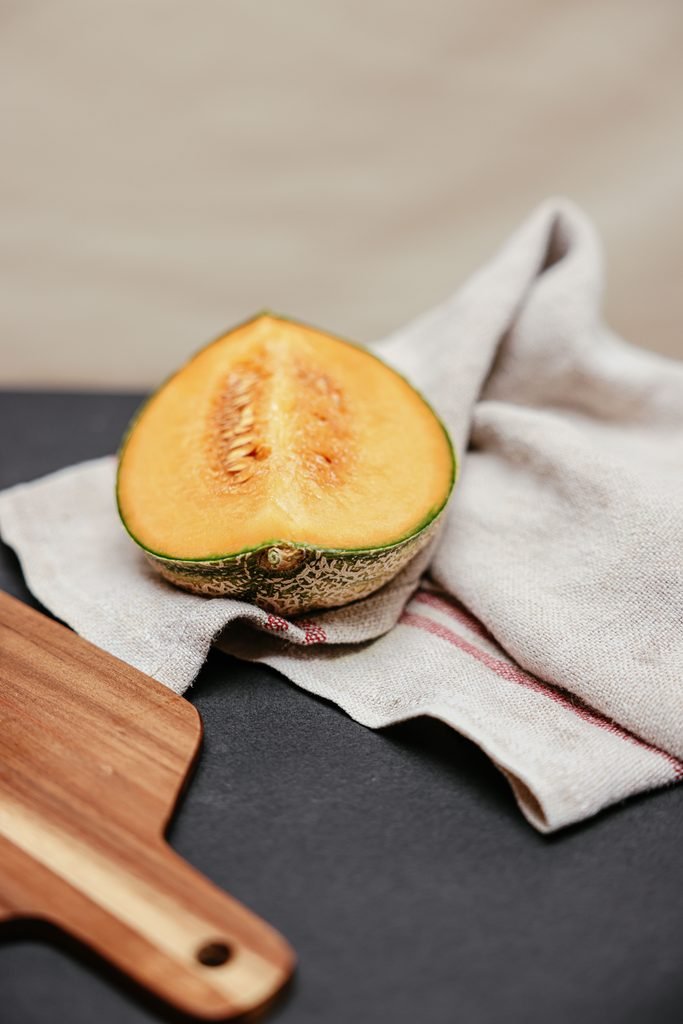
Yes, hamsters can eat a small amount of fresh melon as an occasional treat. Cantaloupe, honeydew, and watermelon can all be offered in small portions. Fruit should remain a minor extra alongside a nutritionally complete hamster food.
There is no established veterinary serving size specifically for melon, so you do not need to measure an exact cube or follow a rigid once-a-week rule. Woodgreen Pets Charity suggests keeping treats small, roughly around the size of your hamster’s ear, as part of the overall diet.
The simpler rule is to offer a small piece of plain fresh flesh, introduce it gradually, and avoid turning melon into a daily food.
Is melon safe for hamsters?
Fresh melon flesh can be offered in moderation.
The RSPCA recommends only small quantities of fruit alongside a balanced hamster diet, while PetMD also treats fruit and other extras as a small part of what a hamster eats.
That matters more than trying to sell melon as a source of vitamin C or potassium.
Your hamster does not need melon to fill a nutritional gap. Think of it as optional variety, not a health supplement.
Which types of melon can hamsters eat?
The common fresh melons people are most likely to have at home can be treated similarly.
| Type | Can a hamster have it? | What to know |
|---|---|---|
| Cantaloupe | Yes, in a small amount | Offer plain fresh flesh |
| Honeydew | Yes, in a small amount | Same general rules as cantaloupe |
| Watermelon | Yes, in a small amount | Very moist, so keep the piece small |
| Dried melon | Better skipped | More concentrated and often sweetened |
| Canned melon | Better skipped | May contain syrup or added sugar |
| Melon candy or flavored products | No | Processed human food |
You do not need separate feeding schedules for cantaloupe and honeydew. For hamster care, the differences between these fruits matter much less than portion size and how often fruit appears in the overall diet.
How much melon can a hamster eat?
There is no established veterinary dose for melon.
Instead of using a pinky fingernail as though it were a medical measurement, start with a very small piece.
Woodgreen’s general treat guidance of around the size of the hamster’s ear is a useful upper reference, not a melon-specific prescription.
A dwarf hamster naturally receives a smaller piece than a Syrian because the animal itself is smaller.
If melon is completely new to your hamster, offer less the first time and watch for any change in normal eating or droppings.
For broader feeding guidance, see what hamsters can eat.
Do you need to remove melon seeds?
For the simplest serving, remove the seeds and offer only the flesh.
PetMD recommends removing fruit seeds and pits before offering fruit to hamsters.
That does not mean every melon seed is proven toxic. There is simply no benefit to including them when you can easily serve the flesh alone.
This distinction is important because the risks associated with apple seeds or stone-fruit pits should not automatically be applied to every fruit seed.
Should you remove the rind?
Yes, I would remove it.
The reason is practical rather than dramatic. The flesh is the part you want to feed, while the rind is tougher, harder to portion, and may carry surface dirt or residues.
Wash the melon before cutting it, remove the rind and seeds, then offer a small piece of flesh.
How to prepare melon for a hamster
- Wash the outside of the melon.
- Cut away the rind.
- Remove the seeds.
- Cut off a small piece of fresh flesh.
- Offer it plain.
- Remove leftovers later so moist fruit is not stored in the bedding.
Hamsters frequently carry food into nests and hidden stores. That works well with dry food but creates problems with moist fruit. PetMD advises removing uneaten fresh foods because they can spoil in the enclosure.
Is melon too sugary for hamsters?
Melon contains naturally occurring sugar, which is one reason fruit should remain a treat.
There is no need to claim that one small piece causes a dangerous blood sugar spike in every healthy hamster.
The more useful concern is that too much fruit can add unnecessary calories and may upset the digestive system.
So the practical rule stays simple: small amount, occasional use, balanced diet first.
What about dwarf hamsters and diabetes?
This needs more nuance than simply saying “dwarf hamsters are prone to diabetes.”
Campbell’s Russian dwarf hamsters and many Campbell’s/Winter White hybrids are considered more susceptible to diabetes than some other hamster types. That does not mean every dwarf hamster is diabetic or that a tiny piece of fruit causes the disease.
If you have a Campbell’s hamster, a likely hybrid, or a hamster already diagnosed with diabetes, it makes sense to be more conservative with sweet treats and follow your veterinarian’s dietary advice.
For a healthy hamster without those concerns, melon should still remain an occasional extra rather than a regular food.
Can hamsters eat watermelon?
Yes, a small amount of fresh watermelon flesh can be treated much like other melon.
Because watermelon contains a lot of moisture, there is no reason to offer a large chunk. Remove the rind and seeds and keep the portion small.
Watermelon also does not replace drinking water. Your hamster should always have fresh water available.
Can hamsters eat dried melon?
I would skip it.
Removing water concentrates the fruit into a smaller piece, making it easier to offer more sugar than intended. Commercial dried melon may also contain added sweeteners.
Fresh melon is easier to portion and is the better choice if you want to offer some.
Can hamsters eat canned melon?
Fresh is better.
Canned or packaged fruit may contain syrup, sweetened juice, or other added ingredients. Even an unsweetened product offers no real advantage over fresh melon.
For hamster treats, simple ingredients make the decision easier.
What if my hamster eats too much melon?
Do not panic because your hamster stole a larger piece than intended.
Remove any remaining melon and return to the normal diet. Watch for changes such as unusually soft droppings, diarrhea, reduced appetite, or abnormal behavior.
If your hamster develops persistent diarrhea, becomes weak or lethargic, stops eating, or otherwise appears unwell, contact a veterinarian experienced with hamsters.
Do not assume every wet rear after eating fruit is automatically wet tail. Diarrhea can have several causes.
See our guide to foods toxic to hamsters if you are unsure about another food your hamster has eaten.
Is melon actually a good hamster treat?
It is fine, but I would not call it an especially valuable one.
Melon mainly adds occasional variety. It does not provide anything a nutritionally complete hamster diet urgently needs.
If your hamster enjoys a tiny piece, that is fine.
If it ignores melon, there is no reason to encourage it. Suitable vegetables and other fresh foods can provide variety too.
See our guide to safe vegetables for hamsters for alternatives.
The bottom line
Hamsters can eat a small amount of fresh melon occasionally. Cantaloupe, honeydew, and watermelon can all be offered as plain flesh with the rind and seeds removed.
You do not need an exact fingernail-sized cube or a melon-specific weekly schedule. Keep the serving small, count it as part of your hamster’s overall treats, and do not let fruit displace a balanced hamster food.
Melon is a food your hamster can eat, not one it needs.
Keep reading: What can hamsters eat? | Foods toxic to hamsters | Safe vegetables for hamsters
Hamster Corner provides general educational information about hamster care and nutrition. If your hamster develops persistent diarrhea, stops eating, or shows another significant health change, contact a veterinarian experienced with hamsters.