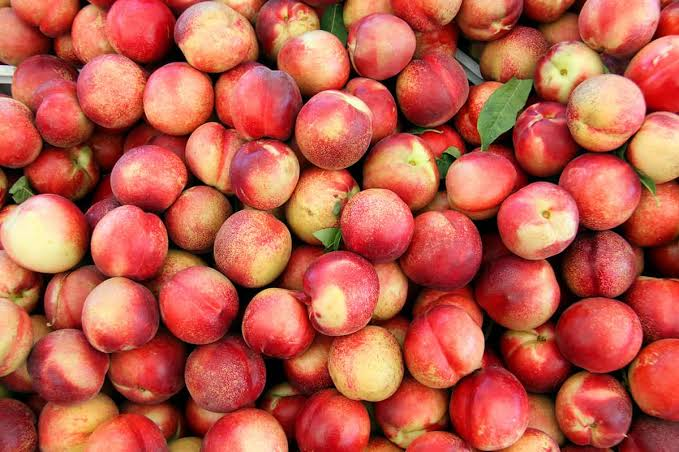
Yes, hamsters can eat a small piece of fresh nectarine, but the pit must be completely removed first. The flesh can be offered as an occasional treat, while the pit and seed inside should never be given to a hamster.
Nectarines are naturally sweet, so there is no reason to give much. A small piece is enough, especially for dwarf hamsters. Your hamster should still get most of its nutrition from a balanced food formulated specifically for hamsters.
Is nectarine safe for hamsters?
The flesh of a ripe nectarine can be offered in a small amount. The important safety rule is to remove the pit completely before serving it.
Nectarines belong to the Prunus group, which also includes peaches, plums, cherries, and apricots. The seeds and other parts of these plants can contain cyanogenic compounds that may release cyanide when damaged or chewed. The fleshy part of the fruit has much lower cyanogenic potential. The Merck Veterinary Manual specifically includes nectarine among Prunus species associated with cyanogenic glycosides.
PetMD also recommends removing fruit seeds and pits before offering fruit to hamsters.
So the rule is simple: nectarine flesh only, with no pit or pit fragments attached.
Fresh fruit should also be washed before serving. You can leave the skin on or peel it if you prefer, but keep the overall portion small.
How much nectarine can a hamster eat?
There is no established veterinary serving size specifically for nectarine, so measuring an exact cube or using a fingernail as a universal portion is unnecessarily precise.
A small amount is the safer approach:
| Hamster | Suggested amount |
|---|---|
| Syrian hamster | A small bite-sized piece of nectarine flesh |
| Dwarf hamster | A smaller piece than you would give a Syrian |
Fruit should remain an occasional treat rather than a major part of the diet.
PetMD recommends that grains, vegetables, fruits, hay, and treats together make up no more than a small portion of a hamster’s overall diet. Fruit is naturally high in carbohydrates, and too much can contribute to digestive upset and unhealthy weight gain.
If your hamster has never eaten nectarine before, start with a very small piece rather than offering several pieces at once.
For a broader guide, see what hamsters can eat, foods toxic to hamsters, and safe vegetables for hamsters.
How to prepare nectarine for a hamster
Preparation is straightforward.
- Wash the nectarine thoroughly.
- Cut the fruit open and remove the pit completely.
- Check the flesh for any small pieces of the pit.
- Cut off a small bite-sized piece.
- Offer it fresh and remove leftovers later so they do not spoil.
There is no need to add yogurt, honey, sugar, or anything else.
Hamsters also have a habit of carrying food into their nests and storing it for later. Fresh fruit can spoil if hidden in the bedding, so check for uneaten pieces after feeding.
The RSPCA warns that moist foods can become susceptible to mold and bacteria if left in a hamster’s enclosure. For this reason, fresh fruit should not be left sitting around for long periods.
Can hamsters eat nectarine pits?
No. Do not give a hamster a nectarine pit.
Nectarines belong to the Prunus genus. Veterinary toxicology references identify Prunus seeds and plant material as sources of cyanogenic glycosides, which can release cyanide when the material is crushed or chewed.
An intact pit may not release the same amount of cyanide as a chewed seed, but that is not a reason to offer one. A hamster is an enthusiastic chewer, and the pit provides no nutritional benefit.
Remove it completely before the fruit reaches the enclosure.
Can hamsters eat nectarine skin?
A small amount of the washed skin can be left attached to the flesh.
Wash the fruit under running water before cutting it. If you would rather remove the skin, that is also fine. Peeling it does not make nectarine nutritionally necessary or allow you to offer a larger serving.
The most important issue remains the pit, not the skin.
Can dwarf hamsters eat nectarines?
Dwarf hamsters can have a very small piece of nectarine flesh occasionally, but their portion should be smaller than a Syrian hamster’s.
The original reason to be cautious is simpler than saying that every dwarf hamster is at high risk of diabetes: nectarine is sugary fruit, and dwarf hamsters are very small animals. A little goes a long way.
Fruit should not replace lower-sugar fresh foods or a nutritionally complete hamster diet.
If your hamster already has a medical condition or has been placed on a specific diet by an exotic veterinarian, follow your vet’s feeding advice instead.
Can hamsters eat dried nectarines?
Dried nectarine is not the best choice.
Removing water concentrates the fruit’s sugars into a much smaller piece, making it easy to give more sugar than intended. Commercial dried fruit may also contain added sugar or preservatives.
Fresh nectarine is easier to portion and is the better option if you want to share some with your hamster.
Can hamsters eat canned nectarines?
It is better to skip canned nectarine, especially fruit packed in syrup.
Canned fruit may contain added sugar, sweetened juice, or syrup that a hamster does not need. Fresh, plain nectarine lets you control exactly what your hamster is eating.
What happens if a hamster eats too much nectarine?
Too much fresh fruit can upset a hamster’s digestive system. PetMD notes that excessive fresh produce can contribute to diarrhea, while too many treats can also contribute to unhealthy weight gain.
Watch for symptoms such as:
- loose or unusually soft droppings
- a wet or soiled rear
- reduced appetite
- lethargy
- noticeable changes in eating or drinking
If your hamster develops diarrhea, stops eating, or appears unwell, contact an exotic veterinarian promptly. Hamsters are small animals and can deteriorate quickly when they are sick.
Are nectarines and peaches the same for hamsters?
They can be treated similarly from a feeding perspective.
Nectarines and peaches are closely related Prunus fruits. In both cases, the flesh may be offered in a small amount while the pit should be completely removed.
The difference between their smooth and fuzzy skins does not change the basic feeding rule: a little fresh flesh is enough, and the pit stays out of the cage.
The bottom line
Hamsters can eat a small amount of fresh nectarine flesh as an occasional treat. Remove the pit completely, wash the fruit, and keep the serving small.
There is no need to measure an exact cube or make nectarine part of a regular feeding routine. Fruit is an extra, while a balanced hamster food should remain the foundation of the diet.
Skip the pit, canned nectarines in syrup, sweetened dried fruit, and nectarine-flavored human foods.
Keep reading: What can hamsters eat? | Foods toxic to hamsters | Safe vegetables for hamsters
Hamster Corner provides general educational information about hamster care and nutrition. It is not a substitute for advice from a qualified exotic veterinarian. If your hamster develops diarrhea, stops eating, or shows other signs of illness, contact an exotic vet.