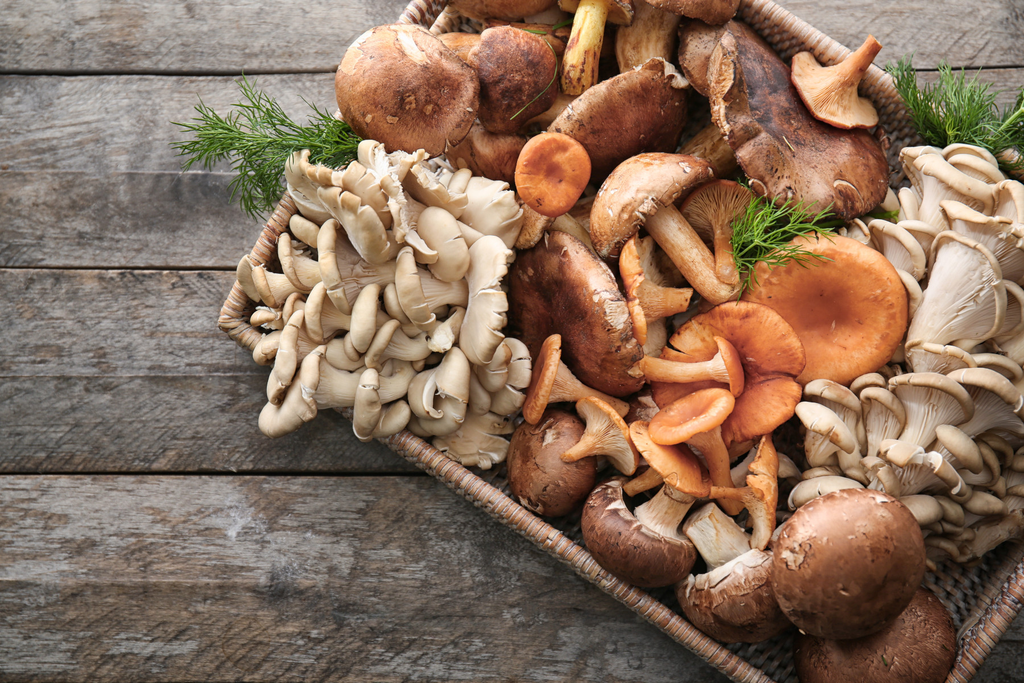
It is better not to intentionally feed mushrooms to hamsters. While a tiny amount of a plain, store-bought edible mushroom is unlikely to cause the same risk as a wild poisonous mushroom, there is not enough hamster-specific evidence to consider mushrooms a useful or necessary treat.
Wild or unidentified mushrooms are a different matter. Some mushroom species contain powerful toxins, and identifying them correctly can be difficult even for experienced foragers. Never give a hamster a wild mushroom.
If you want to add fresh foods to your hamster’s diet, there are better-studied options such as appropriate vegetables and small amounts of certain fruits.
Are mushrooms safe for hamsters?
There is not enough reliable evidence to give mushrooms a straightforward “yes.”
Cultivated mushrooms such as button, cremini, and portobello are commonly eaten by people, but that alone does not establish that they are an appropriate food for hamsters. Hamsters have different nutritional and digestive needs, and human food safety cannot automatically be applied to such a small animal.
A veterinarian-reviewed review of mushroom feeding in hamsters notes the lack of research and ultimately recommends not feeding mushrooms at all, even though a very small amount of a cultivated grocery-store mushroom may be unlikely to cause harm.
The RSPCA’s hamster feeding guidance recommends a balanced hamster diet supplemented with small quantities of suitable greens, root vegetables, and fruit. Mushrooms are not listed as a recommended addition.
So, while a tiny accidental bite of a normal edible mushroom is not automatically an emergency, there is little reason to deliberately add mushrooms to your hamster’s diet.
Why are wild mushrooms dangerous?
Never give a hamster a wild or unidentified mushroom.
Thousands of mushroom species exist, and some contain toxins capable of causing severe gastrointestinal, neurological, liver, or kidney problems in animals. Dangerous species can also resemble edible ones closely enough that visual identification is unreliable.
Pet Poison Helpline advises treating unidentified mushroom ingestion in pets seriously because determining whether a mushroom is toxic often requires expert identification.
For a hamster, the margin for error is even smaller because of its tiny body size.
That means mushrooms collected from:
- gardens
- lawns
- parks
- forests
- plant pots
- unknown outdoor areas
should stay completely out of the enclosure.
Being “almost certain” that a mushroom is edible is not enough.
What if my hamster ate a store-bought mushroom?
If your hamster accidentally takes a tiny bite of a plain button, cremini, or another cultivated mushroom sold for human consumption, do not panic.
Remove the remaining mushroom and monitor your hamster. Watch for unusual changes such as:
- diarrhea or unusually soft droppings
- reduced appetite
- unusual tiredness or weakness
- tremors
- poor coordination
- seizures
- sudden changes in behavior
Contact an exotic veterinarian if your hamster develops symptoms or if you do not know exactly what type of mushroom was eaten.
Do not attempt to make your hamster vomit at home.
If the mushroom was wild, unidentified, moldy, or potentially poisonous, contact a veterinarian promptly rather than waiting for symptoms to appear.
Can hamsters eat button mushrooms?
There is no good reason to add button mushrooms to a hamster’s diet.
Button mushrooms sold for human consumption are very different from unidentified wild mushrooms, and a tiny accidental bite is unlikely to mean your hamster has been poisoned. However, hamster-specific research on feeding mushrooms is limited.
For an optional treat, choosing a better-established hamster-safe fresh food makes more sense.
See our guide to safe vegetables for hamsters for alternatives.
Can hamsters eat cooked mushrooms?
It is better to skip them.
Cooking does not turn mushrooms into a necessary hamster food, and mushrooms prepared for people commonly come with oil, butter, salt, sauces, or other ingredients a hamster does not need.
Even a completely plain cooked mushroom provides little reason to introduce another food when safer, better-established options are available.
The RSPCA also advises that wet foods should generally only be used when recommended by a veterinarian because they are harder to remove from the enclosure and more susceptible to mold and bacterial growth.
Can dwarf hamsters eat mushrooms?
There is no particular benefit to giving mushrooms to dwarf hamsters, so the safest recommendation is the same: skip them.
The fact that mushrooms are relatively low in sugar does not automatically make them a suitable dwarf hamster food. Sugar content is only one part of evaluating whether a food belongs in a hamster’s diet.
A balanced hamster food should remain the foundation of the diet, with fresh foods chosen from options that have clearer feeding guidance.
Are canned mushrooms safe for hamsters?
Canned mushrooms are best avoided.
They may contain added salt or other ingredients, and mushrooms themselves offer no nutritional advantage that makes introducing a processed version worthwhile.
Do not rinse canned mushrooms and assume that makes them an appropriate hamster treat. Simply choose a more suitable fresh food instead.
What should I give instead?
If you want to add variety to your hamster’s diet, start with foods that are more commonly recommended for hamsters rather than experimenting with mushrooms.
Depending on the individual hamster, suitable fresh foods may include small amounts of certain vegetables and occasional fruit alongside a nutritionally complete hamster food.
You can find more options in:
Introduce any new food gradually and avoid suddenly changing your hamster’s diet.
The bottom line
Mushrooms are best left off your hamster’s menu.
There is limited hamster-specific research showing that cultivated edible mushrooms are an appropriate treat, and they provide no important benefit that a balanced hamster diet cannot provide elsewhere.
A tiny accidental bite of a plain store-bought edible mushroom is different from eating an unidentified wild mushroom, so there is no need to treat the two situations as identical. But for intentional feeding, there are plenty of better choices.
Never give a hamster a wild or unidentified mushroom. If your hamster eats one, or develops unusual symptoms after eating any mushroom, contact an exotic veterinarian promptly.
Hamster Corner provides general educational information about hamster care and nutrition. It is not a substitute for advice from a qualified exotic veterinarian. If your hamster may have eaten something toxic or shows signs of illness, contact an exotic vet.