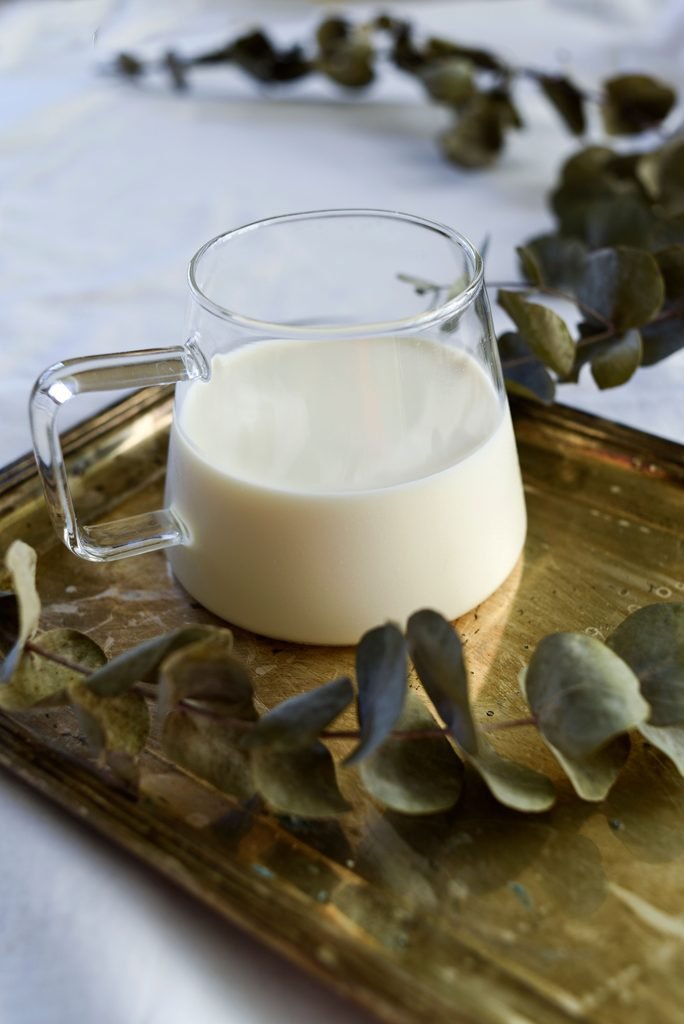
Hamsters do not need cow’s milk, and it should not be offered as a regular drink. Fresh water should be their normal source of hydration. However, the common claim that all adult hamsters are lactose intolerant is not accurate, particularly for Syrian hamsters.
Research on adult golden hamsters, the species commonly kept as Syrian hamsters, found that they could consume substantial amounts of lactose without the obvious digestive problems seen in some other rodents. So the reason to skip milk is simpler: it provides no necessary benefit to a healthy adult hamster and adds an unnecessary food to a diet that should already be nutritionally complete.
Are hamsters lactose intolerant?
Not necessarily.
This is one of those hamster facts that gets repeated so often online that it starts to sound established.
Adult mammals commonly produce less intestinal lactase after weaning, which is why lactose intolerance is common in many species. But golden hamsters are unusual.
A study published in Physiology & Behavior found that adult golden hamsters voluntarily consumed considerably more lactose than rats, mice, and gerbils and appeared able to tolerate it. A later experiment found evidence that the hamster’s pregastric pouch plays an important role in breaking down lactose before it reaches the rest of the digestive system.
So writing:
“Adult hamsters cannot digest lactose”
is too broad.
The strongest evidence applies specifically to golden, or Syrian, hamsters. We should not automatically assume every hamster species handles dairy identically, but there is also no good reason to label all hamsters lactose intolerant without evidence.
So can a Syrian hamster drink cow’s milk?
Being able to tolerate lactose does not make cow’s milk a useful hamster drink.
A healthy hamster should receive its nutrition from an appropriate complete hamster diet, with suitable fresh foods offered in moderation.
The RSPCA recommends a balanced hamster food and a constant supply of fresh, clean drinking water. Milk is not part of its recommended routine diet.
That gives us a much more useful rule:
Do not add milk simply because your hamster can potentially digest some of its lactose.
Milk adds calories, fat, protein, and other nutrients to a diet that does not need them supplemented in this way.
What should hamsters drink?
Fresh, clean water.
That is the everyday answer.
The RSPCA’s hamster feeding guidance says hamsters need constant access to fresh drinking water. Blue Cross and Woodgreen give the same basic advice.
You can provide water in an appropriate bottle or a stable bowl, depending on your setup and hamster.
Whichever method you use:
- keep fresh water available at all times
- check it every day
- make sure the hamster can reach it comfortably
- check bottles for leaks or blocked spouts
- clean bowls and bottles regularly
There is no need to make hydration more complicated by adding milk, juice, flavored water, supplements, or other drinks.
What if my hamster accidentally drinks a little milk?
A tiny accidental lick of plain cow’s milk is unlikely to justify panic, especially in a healthy Syrian hamster.
Remove the milk and return to fresh water.
Watch your hamster normally over the following day. A significant change in appetite, activity, or droppings would be a reason to contact a veterinarian, regardless of which new food caused it.
The situation is different if the hamster consumed:
- a large quantity
- spoiled milk
- chocolate milk
- flavored milk
- a drink containing caffeine
- a product containing artificial sweeteners or other questionable ingredients
In those cases, the other ingredients may matter more than the milk itself.
Keep the packaging and contact a hamster-experienced veterinarian if you are unsure.
What about dwarf hamsters?
There is much less reason to make confident statements about lactose tolerance across every dwarf hamster species.
The research showing unusual lactose tolerance was performed on golden hamsters.
That does not mean dwarf hamsters will automatically become sick from one drop of milk. It means we should avoid taking evidence from Syrians and turning it into a universal rule for every hamster.
Fortunately, owners do not need to solve that uncertainty.
Dwarf hamsters also require fresh water for hydration, and milk provides no essential role in their normal diet.
So the practical recommendation remains the same:
skip milk as a regular drink.
Can hamsters drink lactose-free milk?
There is no useful reason to offer it.
Lactose-free cow’s milk solves a problem that may not even exist in the way commonly claimed for Syrian hamsters, while still introducing an unnecessary liquid food.
Removing lactose does not turn milk into something a hamster needs.
If your hamster is healthy and eating an appropriate diet, stick with water.
What about almond, oat, or soy milk?
Plant-based drinks are also unnecessary.
Commercial products vary considerably. Depending on the brand, they can contain:
- added sugar
- oils
- salt
- stabilizers
- flavorings
- vitamins and minerals added for humans
A hamster gains nothing useful from drinking them instead of water.
Even an unsweetened plant milk with a simple ingredient list does not offer a clear benefit that justifies introducing it as a regular drink.
Can hamsters drink flavored milk?
No.
Chocolate, strawberry, vanilla, and other flavored milks contain ingredients a hamster does not need, particularly added sugar.
Chocolate products bring additional concerns and should not be offered to hamsters.
The question here is no longer whether a hamster can digest lactose. The product itself has become a sweetened human food.
Does a hamster need milk for calcium?
No.
A healthy hamster eating a complete diet should not need an owner to create a separate calcium-supplementation plan.
If you believe your hamster has a nutritional deficiency, adding milk, cheese, mineral blocks, or supplements without knowing the cause is not a good solution.
Have the diet reviewed by a hamster-experienced veterinarian instead.
This is also why I would remove the original recommendation to give cheese or egg white specifically as a “calcium source.” There is no need to create a nutritional problem and then prescribe individual foods to solve it.
Small amounts of suitable foods such as boiled egg may be used as part of a varied diet, but that is different from treating them as supplements.
For the bigger picture, see what hamsters can eat.
Can hamsters eat cheese?
This is a different question from whether they should drink milk.
Some cheeses contain relatively little lactose, particularly aged varieties, but they can also be high in fat and salt.
That makes cheese an optional food at most, not something a hamster needs because it cannot drink milk.
If your goal is simply to add variety to the diet, there are easier foods to use without introducing a salty dairy product.
Do not use cheese as a routine calcium supplement.
What about yogurt?
Plain yogurt is another food that should not be confused with hydration.
Fermentation changes the lactose content and composition of yogurt, but that does not make it a necessary hamster food.
Sweetened, fruit-flavored, or dessert yogurts introduce even more unnecessary sugar and ingredients.
Unless a veterinarian has a specific reason for recommending a particular food, there is little benefit in adding yogurt to an otherwise balanced hamster diet.
Can baby hamsters drink cow’s milk?
Do not use cow’s milk to hand-feed an orphaned hamster pup.
Hamster pups normally receive milk from their mother and are gradually introduced to solid food before weaning. Merck Veterinary Manual states that pups are generally weaned at around 21 to 28 days and can begin receiving moistened solid food earlier in development.
An orphaned newborn is a very different situation from an adult hamster tasting milk.
Hand-rearing such a small animal involves more than choosing a liquid. Feeding technique, temperature, frequency, nutrition, and the risk of aspiration all matter.
If you have orphaned hamster pups, contact an exotic veterinarian or experienced hamster rescue promptly rather than improvising with cow’s milk or homemade formula.
Milk versus water
| Fresh water | Cow’s milk | |
|---|---|---|
| Needed for normal hydration | Yes | No |
| Should be available at all times | Yes | No |
| Part of normal adult hamster care | Yes | No |
| Contains extra calories and nutrients | No | Yes |
| Necessary for calcium | No | No |
| Appropriate as the regular drink | Yes | No |
The point is not that a drop of milk is poison.
It is that water already does the job perfectly.
Why the distinction matters
There is an important difference between:
“Hamsters cannot digest milk.”
and:
“Hamsters do not need milk.”
The first claim is not well supported for Syrian hamsters. The second gives owners the correct practical advice without inventing a biological explanation.
That distinction matters on a pet-care site because a recommendation should not become more dramatic than the evidence simply to make the answer sound definitive.
The bottom line
Do not make cow’s milk part of your hamster’s regular diet or use it as a drink. Give fresh, clean water instead.
But the reason is not that all adult hamsters are proven to be lactose intolerant. Research on adult golden hamsters actually shows unusual tolerance for lactose compared with several other rodents.
Milk is simply unnecessary. It adds calories and nutrients that a healthy hamster should already receive from a balanced diet, while water remains the appropriate source of hydration.
If your hamster takes one tiny lick of plain milk, remove it and do not panic. If it drinks a significant amount, eats another questionable dairy product, or develops diarrhea or another health change, contact a hamster-experienced veterinarian.
Keep reading: What can hamsters eat? | Foods toxic to hamsters | Safe vegetables for hamsters