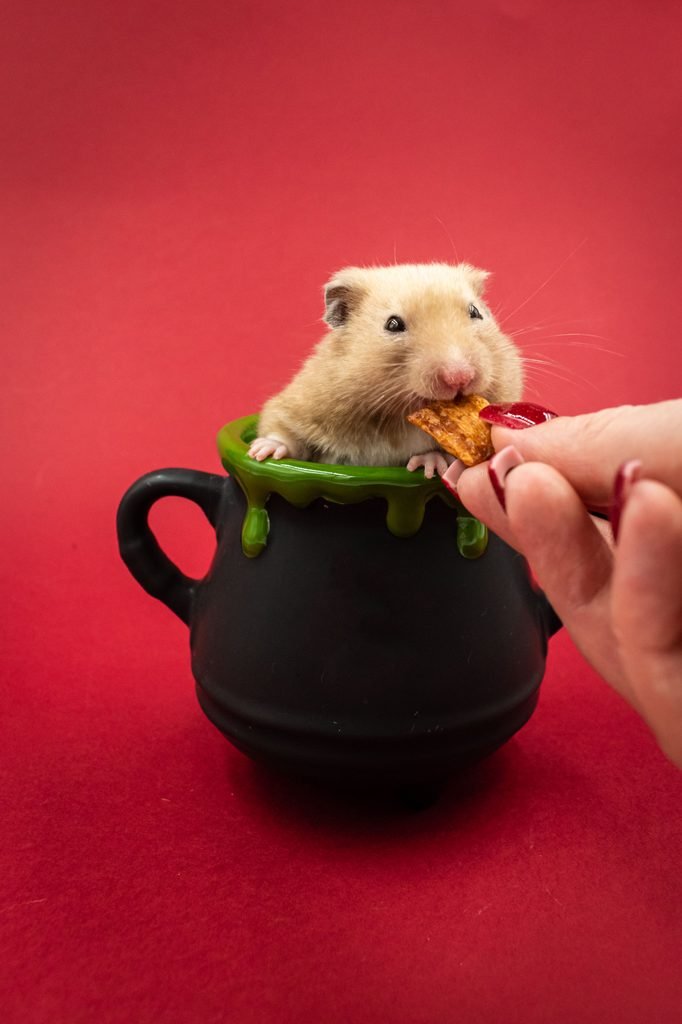
The best hamster treats are simple foods that have clear hamster-specific guidance behind them: small pieces of suitable vegetables or fruit, a little boiled egg, mealworms, or occasional plain seeds. Treats should remain extras, not foods your hamster needs to complete its diet.
For portion size, there is no need to invent a different measurement for every food and hamster species. Blue Cross recommends keeping fresh-food portions about the size of the hamster’s own ear, while Woodgreen uses a similar ear-size guide for treats and suggests offering them once or twice a week.
There are exceptions where better guidance exists. Woodgreen, for example, specifically recommends one or two fresh mealworms at a time when they are not already included in the hamster’s dry food.
The bigger rule is simple: the complete staple diet comes first. Treats should add variety and enrichment without becoming a second diet.
What counts as a hamster treat?
For this guide, a treat is an optional food offered in addition to the hamster’s complete staple diet.
That can include:
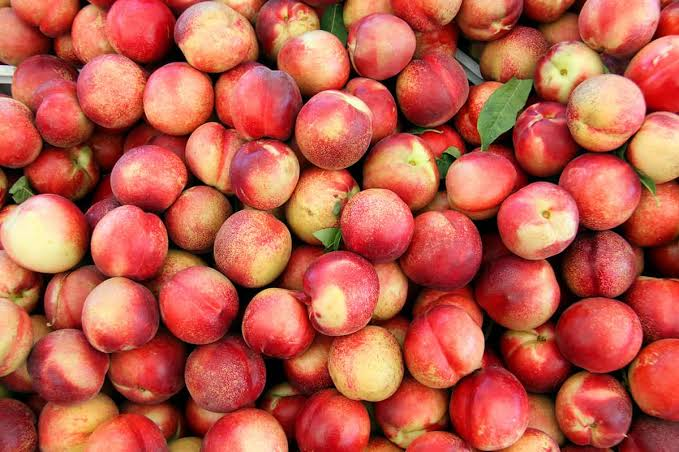
- small pieces of fresh fruit
- suitable vegetables
- boiled egg
- mealworms
- plain nuts or seeds
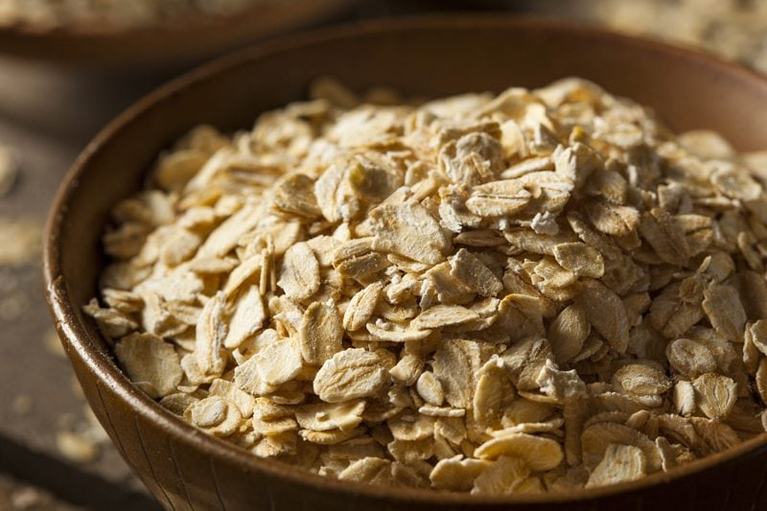
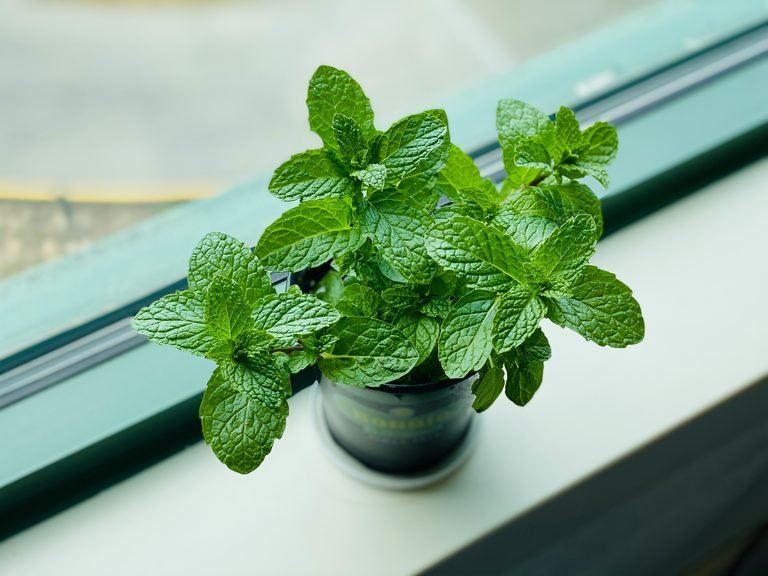
- some herbs, cereals, or other foods with hamster-specific guidance
Different organizations draw the line between “fresh food” and “treat” differently. PetMD, for example, allows suitable vegetables as part of the daily diet, while Woodgreen uses a more conservative treat-style schedule for fresh foods.
So there is no single scientifically established rule saying every food outside the dry mix must be served only once or twice per week.
What matters is whether an extra is appropriate, how much is offered, and whether it is beginning to displace the complete food.
For the broader diet rather than treats specifically, see What can hamsters eat?
Some of the best-supported hamster treats
Rather than ranking treats by supposed vitamin, antioxidant, or protein benefits, it is more useful to look at foods directly supported by hamster-care sources.
| Treat | What the evidence supports | Practical use |
|---|---|---|
| Blueberries | Woodgreen lists them as suitable fruit | Small, occasional fruit treat |
| Apple | Supported by several hamster-care sources, with seeds removed | Small piece of flesh |
| Strawberry | Listed by Woodgreen and PetMD | Occasional fresh fruit |
| Boiled egg | Supported by Blue Cross, Woodgreen, and PDSA | Small occasional extra |
| Mealworms | Supported by Blue Cross, Woodgreen, PDSA, and PetMD | Woodgreen gives a guideline of one or two fresh mealworms when not already included in the dry food |
| Sunflower seeds | PetMD specifically allows plain seeds without salt or added flavor | Occasional seed treat |
| Plain nuts | Woodgreen and PDSA allow nuts in small amounts | Keep small because nuts are energy-dense |
| Suitable vegetables | Widely supported by hamster-care sources | Useful fresh-food variety |
For more vegetable options, see Safe vegetables for hamsters.
The important point is that none of these foods needs to be sold as a nutritional supplement. Your hamster does not need blueberries for antioxidants, egg to build muscle, or sunflower seeds for vitamin E.
A complete diet should already provide the nutrients the hamster requires.
How much treat should a hamster have?
There is no good reason for a chart prescribing half a blueberry, one sunflower seed, a pea-sized piece of egg, and a quarter strawberry for different species.
Those numbers look authoritative but are mostly artificial.
Blue Cross recommends portions of fresh food about the size of the hamster’s own ear. Woodgreen gives similar guidance for treats.
That is a useful practical reference because it scales naturally with the hamster.
Woodgreen suggests treat portions around that size once or twice a week, although other reputable sources allow some fresh vegetables more frequently. Treat frequency therefore depends partly on what you are calling a treat.
A piece of cucumber and a fatty nut do not need identical schedules simply because both are outside the dry food.
The safest way to think about treats is small and secondary, rather than trying to fill a weekly quota.
Are mealworms and egg better because they contain protein?
They are suitable foods, but a healthy hamster does not normally need them as separate protein supplements.
Hamsters are omnivores, and their complete dry food should already provide the protein they require. Woodgreen specifically says a quality mix should contain a protein source such as dried mealworms.
Boiled egg and mealworms can still be useful occasional extras. They just do not need claims such as “supports muscle maintenance” or “especially important for older hamsters” unless there is evidence for that particular use.
If mealworms are already included in the complete food, Woodgreen specifically notes that there is no need to keep adding them as treats.
What about yogurt drops and other pet-store treats?
This needs more nuance than “all commercial hamster treats are bad.”
Blue Cross advises avoiding sugary and fatty treats, specifically including treat or seed sticks containing molasses or honey. Woodgreen similarly advises avoiding honey-based treats and colorful chew sticks.
Those are good reasons to be skeptical of heavily sweetened commercial treats.
However, PetMD’s current hamster care guidance describes yogurt drops as a very occasional commercial treat. That means I would not label every yogurt drop toxic or categorically unsafe.
My practical preference would still be to choose simpler treats with clearer ingredients most of the time.
A piece of an appropriate vegetable, a little boiled egg, a mealworm, or another well-supported whole food is easier to evaluate than a brightly colored snack containing a long ingredient list.
When looking at a packaged treat, check the ingredients rather than judging it only by the picture of a hamster on the front.
Should hamsters have honey sticks and seed bars?
I would skip sugary seed sticks held together with honey or molasses.
Blue Cross specifically recommends avoiding treat or seed sticks containing molasses or honey because they are sugary and fatty. Woodgreen also advises against honey-based hamster treats.
There is no need to claim that one honey stick will cause diabetes or that these products are a major cause of hamster obesity.
The simpler point is enough: they are unnecessary treats when better-supported alternatives exist.
That is also different from saying seeds themselves are bad. Plain sunflower seeds, for example, can be an occasional treat. The added sweet binder changes the product.
Do dwarf hamsters need a completely different treat list?
Not as a blanket rule.
The original version grouped Roborovski, Winter White, and Campbell’s hamsters together as genetically predisposed to diabetes and suggested that concentrated sugar could trigger chronic disease in all of them.
That is too broad.
PDSA specifically says Russian dwarf hamsters are particularly prone to diabetes, which supports caution about overfeeding sugary foods in those animals. It does not establish an identical risk profile for every species commonly called a dwarf hamster.
There is also no need to create a completely separate treat list.
Small hamsters naturally require small portions. Beyond that, choose well-supported foods and keep optional sugary treats modest.
If a hamster has diagnosed diabetes, obesity, or another medical condition, its diet should be discussed with a hamster-experienced veterinarian rather than managed with a generic online treat chart.
Are human foods always bad hamster treats?
No. That rule is too broad.
Boiled egg is human food, yet multiple authoritative hamster-care sources recommend it. Woodgreen even lists plain pasta among suitable treats.
What matters is the actual food and preparation.
Processed dishes become harder to recommend because they can contain salt, sugar, seasoning, sauces, onion, garlic, or other ingredients that may be inappropriate.
That means there is no need to create sweeping claims such as:
- crackers cause kidney damage
- cheese is harmful because hamsters cannot handle lactose
- pasta dangerously spikes blood sugar
- bread has no nutritional value
- small amounts of these foods shorten a hamster’s life
Those statements go much further than the evidence.
Instead, check the specific food. When there is no clear hamster-specific guidance and the food offers no real advantage, skipping it is usually the easiest decision.
What if my hamster ignores its staple food and waits for treats?
Do not keep topping up the favorite extras.
Treats can contribute to an unbalanced diet if they become a large enough part of what the hamster actually eats. PetMD specifically warns that too many treats can contribute to obesity and malnutrition because they displace nutritionally complete food.
Selective eating can also be an issue with mixed foods when a hamster consistently chooses favorite seeds and leaves other components behind.
However, I would not use the original advice to remove all treats for exactly one or two weeks and wait for the hamster to “give in.” There is no good evidence for that behavioral reset rule.
Reduce unnecessary extras and reassess the staple diet, but also pay attention to actual food intake.
If a hamster starts eating noticeably less rather than simply choosing between foods, take that seriously. RSPCA advises contacting a veterinarian promptly when a hamster’s food intake decreases, particularly if there are also changes in droppings or general condition.
Treats can also be enrichment
Treats do not always need to arrive directly from your fingers.
Hamsters naturally spend time searching for food. RSPCA and PDSA both recommend scattering or hiding food to encourage natural foraging behavior.
A small suitable treat hidden in bedding, a cardboard tube, or another safe forage setup can therefore add behavioral value without increasing the amount of food you give.
That is often more useful than simply handing over another snack.
The bottom line
The best hamster treats are not necessarily products labeled “hamster treats.”
Choose small amounts of foods with good hamster-specific guidance, such as suitable vegetables and fruit, boiled egg, mealworms, or occasional plain seeds and nuts. Keep treats secondary to a complete staple diet and avoid inventing precise serving schedules where good sources do not provide them.
Sugary honey or molasses treat sticks are easy to skip. Yogurt drops are more nuanced: PetMD allows them very occasionally, but there is little reason to make them a routine choice when simpler foods are available.
Most importantly, treats are optional. Your hamster does not need a rotating menu of berries, egg, seeds, insects, and commercial snacks to have a nutritionally complete diet. Use treats for variety and enrichment without letting them take over the bowl.
For the full feeding framework, see What can hamsters eat?, and for fresh-food options, see Safe vegetables for hamsters.
Hamster Corner provides general educational information about hamster care. It is not a substitute for veterinary advice. Contact a hamster-experienced veterinarian if your hamster has a persistent change in appetite, weight, stools, or behavior.