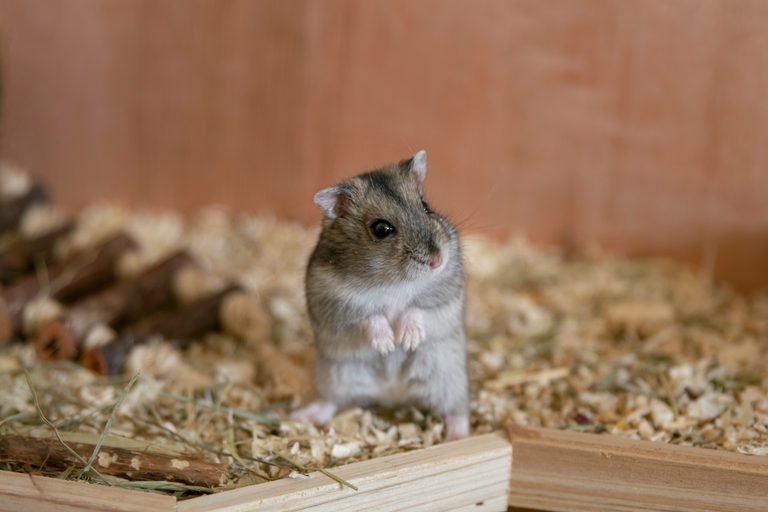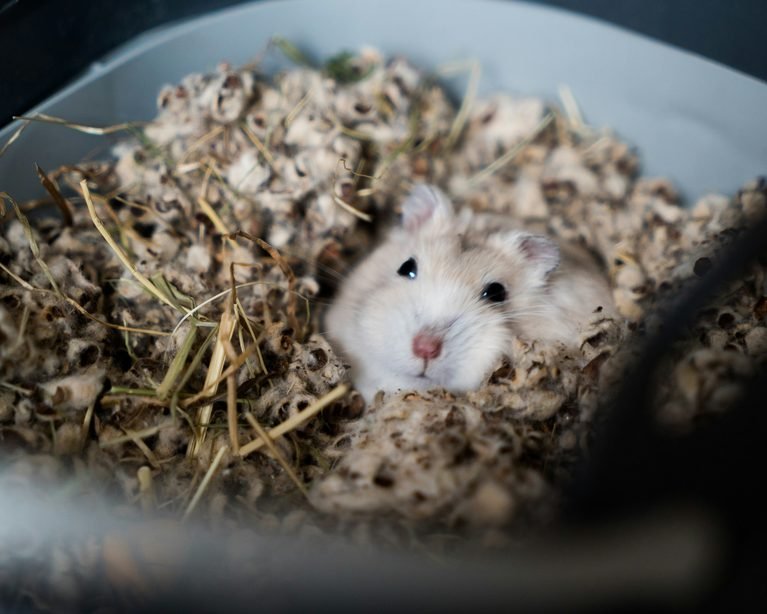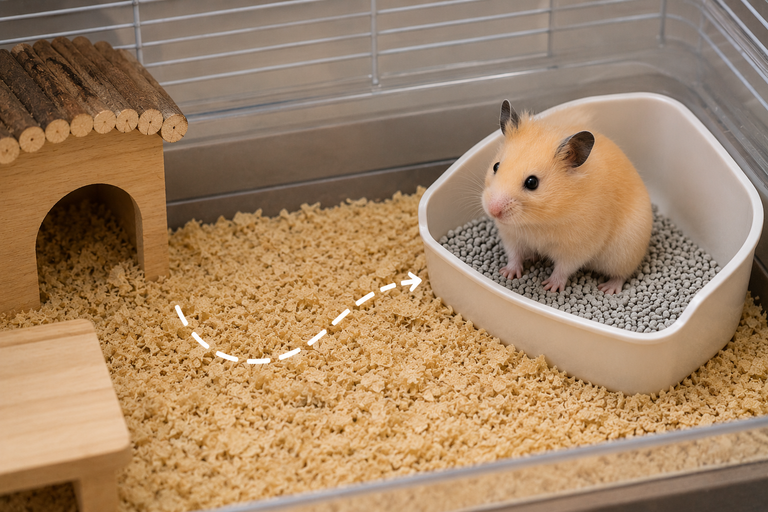

Unexplained weight loss in a hamster is a reason to contact a hamster-experienced vet. Dental problems can make eating painful or difficult, but weight loss can also occur with digestive disease, infection, tumors, metabolic disease and other underlying illness. Older hamsters may become thinner with age, but noticeable or continuing weight loss should not automatically be dismissed as normal aging.
Hamsters can hide illness surprisingly well. The RSPCA notes that they have high metabolic rates and can lose condition quickly when unwell, sometimes before obvious signs of pain appear.
That makes a downward weight trend useful information, even when your hamster still appears fairly active.
Weigh your hamster regularly
A small digital kitchen scale is an easy way to monitor changes that may be difficult to see through fur.
Woodgreen recommends weighing hamsters with small scales and watching for unexpected or consistent weight loss or gain. Its broader care guidance also recommends a weekly health check.
Try to weigh your hamster under reasonably similar conditions each time and keep a simple record of the date and weight.
What matters most is your hamster’s own trend, not whether it matches one number you found online.
There is no authoritative hamster guideline I could find establishing that exactly 10% weight loss is the point at which a change becomes medically significant. If weight is consistently falling, especially alongside another symptom, contact a vet rather than waiting for a particular percentage.
Dental problems can cause weight loss
Dental disease is an important possibility when a hamster loses weight, particularly if eating seems difficult.
Hamster incisors grow continuously. PDSA notes that overgrown teeth can prevent a hamster from eating and can cause pain, weight loss and drooling.
The RSPCA similarly warns that an overgrown incisor can eventually stop a hamster from eating.
Signs that make a mouth or dental problem more suspicious include:
- drooling or a persistently wet chin
- visibly overgrown or uneven incisors
- approaching food but struggling to eat it
- reduced food intake
- weight loss
However, I would not call dental disease the most common cause of hamster weight loss without evidence establishing that ranking.
And although gnawing opportunities are important for hamster dental care, hay should not be presented as something hamsters require to wear down their teeth. Appropriate chew materials and a suitable diet are more relevant.
Weight loss can have many medical causes
Weight loss is a symptom, not a diagnosis.
Veterinary sources describe a number of hamster diseases that may involve weight loss, reduced appetite or loss of body condition.
For example, the Merck Veterinary Manual documents weight loss with conditions including serious intestinal infections, salmonellosis, pseudotuberculosis and some tumors. Kidney dysfunction associated with amyloidosis can also cause loss of appetite and deterioration in condition.
PetMD lists weight loss itself among the signs that should prompt a call to an exotic veterinarian.
The useful question is therefore not simply:
“Which disease causes weight loss?”
It is:
“What other changes are happening at the same time?”
For example:
| What you notice with the weight loss | What it may tell your vet |
|---|---|
| Drooling or overgrown incisors | A dental or mouth problem needs investigation |
| Diarrhea or a soiled rear | Gastrointestinal disease becomes an important concern |
| Increased drinking or urination | Metabolic or other systemic disease may need investigation |
| A new lump | A mass or tumor needs examination |
| Reduced appetite | Pain, dental disease, digestive disease and many other illnesses are possible |
| Lethargy or poor coat condition | Suggests the hamster may be systemically unwell |
These signs do not diagnose the cause at home. They help your veterinarian decide what needs to be examined.
For a broader symptom checklist, see signs of a sick hamster.
What about diabetes?
Diabetes can occur in dwarf hamsters, and unexplained weight loss may occur alongside increased thirst and urination.
However, weight loss alone does not establish diabetes.
The current PetMD dwarf hamster care guide includes diabetes among conditions seen in dwarf hamsters and advises contacting an exotic veterinarian for weight loss.
It is also important not to turn this into the blanket statement that every dwarf hamster species has the same diabetes risk.
If your hamster is losing weight while drinking or urinating noticeably more than usual, tell your veterinarian about those changes. Diagnosis may require veterinary testing rather than guessing from symptoms.
For more context, see our guide to hamster diabetes.
Are parasites a common cause of hamster weight loss?
They are possible, but the original article gave them too much emphasis.
Merck describes pinworms as a rare cause of digestive disease in hamsters. Tapeworms are relatively common compared with their occurrence in mice and rats, but infected hamsters typically show no signs unless the infection becomes severe.
So I would not put internal parasites near the top of a generic “most likely causes” list or say that they normally cause weight loss by competing with the hamster for nutrients.
A veterinarian may perform fecal testing when parasites are a reasonable possibility based on the hamster’s history and symptoms.
Can old age cause weight loss?
Older hamsters can become thinner, but age should not be used to explain away unexplained weight loss without considering illness.
Woodgreen describes weight loss as one of several changes that owners may notice in very old hamsters, alongside changes such as sleeping more, hair loss and reduced mobility.
PetMD considers hamsters around 1.5 years and older elderly, while lifespan varies by species and individual.
That does not mean every hamster begins losing healthy body mass at a particular birthday.
Older hamsters can also develop dental disease, tumors and other medical problems. If an elderly hamster is noticeably or progressively losing weight, a veterinary check is still worthwhile.
For more on aging, see how long hamsters live.
How much should a hamster weigh?
There is no single ideal hamster weight.
Species, sex, body size, genetics and individual build all matter.
A large UK VetCompass study of more than 16,000 hamsters recorded these median adult bodyweights:
| Hamster | Median adult weight in the study |
|---|---|
| Syrian | 133 g |
| Winter White / Djungarian | 45 g |
| Roborovski | 25 g |
| Campbell’s | 46 g |
| Chinese | 40 g |
These are population reference values, not target weights for an individual hamster.
The same study found substantial variation within each species. For that reason, comparing today’s weight with your hamster’s own previous healthy weight is generally more useful than trying to force it into a narrow internet range.
Should you give soft food to a hamster that is losing weight?
Do not automatically start a homemade soft-food diet.
The RSPCA’s hamster feeding guidance specifically says wet or powdered food should be given when advised by a veterinarian, for example when dental problems make normal eating difficult.
That is safer than recommending a generic menu of mashed pumpkin, cucumber or cooked oats to every hamster that loses weight.
If your hamster appears hungry but cannot eat its normal food, has drooling, or seems to struggle with chewing, arrange veterinary care promptly. Ask the vet what food should be used while the underlying problem is treated.
When should you see a vet?
Do not wait for your hamster to become visibly emaciated.
RSPCA guidance advises veterinary attention when a hamster is losing weight, and PetMD also lists weight loss among reasons to call an exotic veterinarian.
Seek veterinary help promptly if weight loss is accompanied by:
- reduced appetite or not eating
- drooling or overgrown teeth
- diarrhea or a soiled rear
- increased drinking or urination
- significant lethargy
- breathing difficulty
- a new lump or swelling
- difficulty walking or poor balance
- another clear change from normal behavior
A hamster with prominent bones or an obviously thin, frail appearance needs veterinary assessment, but you do not need to wait until the spine or hips become visible before acting.
The bottom line
Unexplained or continuing weight loss in a hamster deserves veterinary attention.
Dental disease is one important cause because overgrown or abnormal teeth can interfere with eating, but it is not the only explanation and should not automatically be labelled the most common one. Digestive disease, infection, tumors, metabolic conditions and other illnesses can also affect body weight.
Parasites are possible but should not automatically sit near the top of the list, and old age does not make progressive weight loss harmless.
The most useful thing you can do at home is monitor your hamster consistently. A weekly weight record can reveal a downward trend before a change becomes visually dramatic, and notes about appetite, drinking, stools and behavior give your veterinarian much more useful information.
Keep reading: Signs of a sick hamster | Hamster diabetes | How long do hamsters live?
Hamster Corner provides general educational information about hamster care. It is not a substitute for professional veterinary advice. If your hamster is losing weight or showing another significant change in health or behavior, contact a hamster-experienced veterinarian.