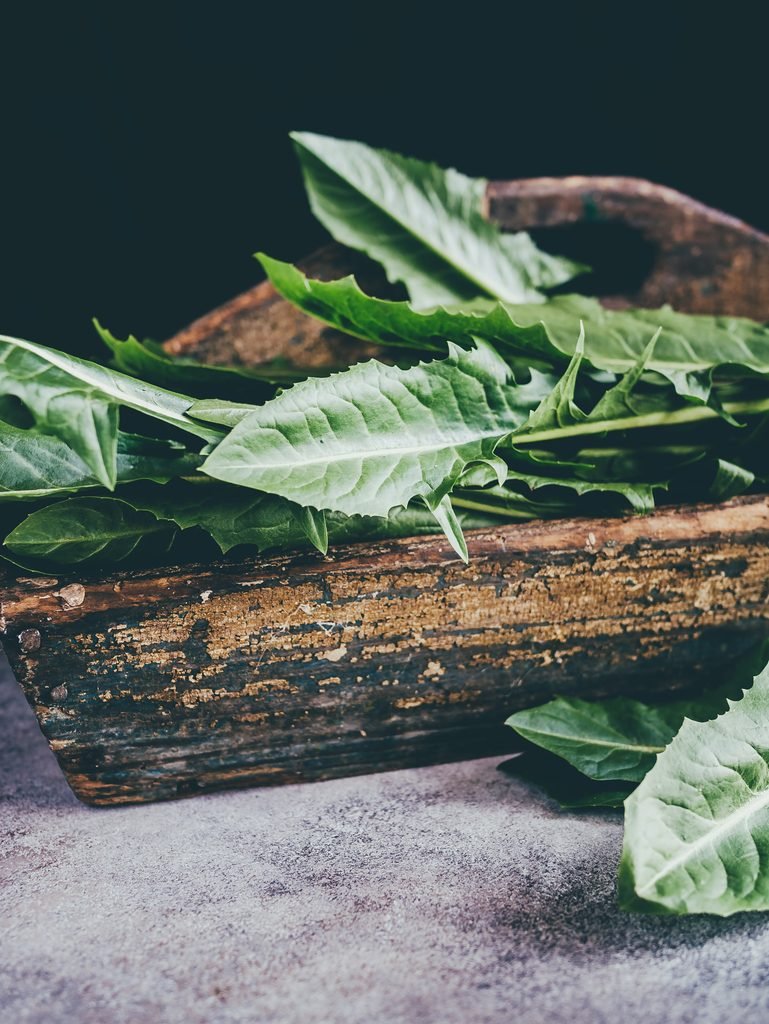
Yes. Hamsters can eat dandelion greens. PetMD specifically lists dandelion greens among vegetables that can be offered to hamsters, making the leaves one of the better-supported wild greens for pet hamsters.
The bigger issue is sourcing. If you collect dandelions yourself, only use correctly identified plants from an area you know has not been treated with pesticides or herbicides, and wash them thoroughly before serving. A vet-reviewed dandelion guide gives the same practical warning for wild-picked plants.
Are dandelion greens safe for hamsters?
Yes. Dandelion greens have direct hamster-specific veterinary support.
PetMD lists dandelion greens alongside spinach and romaine lettuce as vegetables hamsters can eat.
That is enough to recommend the leaves without turning them into a “superfood” or claiming your hamster needs them for vitamins, iron, calcium, antioxidants, or any other individual nutrient.
A nutritionally appropriate staple diet should remain the foundation. Dandelion greens are simply one optional fresh food.
For the broader feeding framework, see what hamsters can eat.
How much dandelion can a hamster eat?
Keep the amount small and include dandelion as part of a varied fresh-food rotation.
I would remove rules such as:
- one thumbnail-sized leaf
- half that amount for a dwarf
- exactly two to three servings per week
- one flower as a defined serving
I could not find sufficiently strong dandelion-specific evidence supporting those measurements.
PetMD permits dandelion greens as part of a rotation of fresh vegetables rather than requiring a special dandelion schedule. Woodgreen’s broader hamster guidance also emphasizes keeping fresh extras small compared with the main diet.
So the useful rule is small amount, varied diet, staple food first.
Can hamsters eat dandelion flowers?
There is some support for the flowers, but the evidence is not as strong as it is for the leaves.
A vet-reviewed Hepper article says dandelion flowers, stems, and leaves are edible for hamsters.
However, PetMD’s higher-level hamster feeding guidance specifically names dandelion greens, not the entire plant.
Because of that difference, I would frame the evidence this way:
Dandelion greens are clearly supported. Flowers appear to be a reasonable occasional forage item, but the evidence is less authoritative than for the leaves.
There is no need to describe flowers as nutritionally superior or as a required enrichment food.
Can hamsters eat dandelion stems?
A vet-reviewed source includes stems among the edible parts of the dandelion plant.
Again, though, the strongest veterinary source reviewed here specifically supports the greens rather than providing a detailed whole-plant feeding guide.
If you want the simplest evidence-based option, use the leafy greens.
I would not tell owners that they need to remove the stems because they are dangerous, but I also would not make stems a major recommendation when there is clearer evidence for the leaves.
Can hamsters eat dandelion roots?
The evidence is weaker for the root.
Some hamster forage sellers and community resources include dried dandelion root in commercial forage mixes, but that is not equivalent to veterinary evidence establishing root safety or an appropriate serving.
I could not find comparably strong hamster-specific veterinary guidance recommending dandelion root.
So I would not recommend the root in this article. That does not mean dandelion root has been proven toxic. It simply means the evidence is not strong enough to put it alongside dandelion greens as an equally supported choice.
Where should dandelions come from?
This is the most useful practical distinction in the article.
If you buy fresh dandelion greens as food, wash them before serving just as you would any other fresh produce.
If you forage them yourself, be more selective.
A vet-reviewed dandelion guide recommends collecting only from areas known not to have been treated with pesticides or herbicides and avoiding locations contaminated by animal waste. The plant should still be washed thoroughly before feeding.
I would avoid casually collecting dandelions from:
- treated lawns
- public areas where chemical treatment history is unknown
- places regularly used by dogs or other animals
- locations where you are not completely sure of the plant identification
“Wild” does not automatically mean cleaner or safer.
You also do not need to insist on food labelled organic. Organic produce can still be treated with approved pesticides. The practical goal is simply a correctly identified, clean food source.
Do roadside dandelions need to be avoided?
I would avoid them when a cleaner source is available.
The problem is not that every roadside dandelion has been proven toxic. It is that you usually do not know its treatment history or what contaminants it may have been exposed to.
A home-grown untreated plant or culinary dandelion greens bought as food are easier to assess.
This is a source-control decision, not evidence that the dandelion plant itself is poisonous.
Do dandelion greens need to be limited because of calcium?
I would remove that argument from the article.
One vet-reviewed source claims that dandelion greens should be restricted because their calcium content could contribute to kidney or urinary stones.
However, the supporting references used by that article do not provide strong hamster-specific evidence establishing a dandelion-calcium-stone relationship or a safe calcium threshold.
PetMD directly lists dandelion greens as suitable hamster vegetables without giving this warning.
So I would not tell readers that dandelion leaves cause urinary stones or need a special calcium rotation schedule.
Moderation is still appropriate because fresh greens are an extra, not because a dandelion-specific calcium hazard has been demonstrated.
Are dandelion greens good for dwarf hamsters?
Dandelion greens can be part of the fresh-food options for a dwarf hamster, but there is no reason to build the recommendation around sugar or diabetes.
PetMD’s current dwarf hamster guidance allows fresh vegetables as a limited part of the diet, and its general hamster food guide specifically includes dandelion greens.
I would remove claims such as:
- dandelions are especially good for diabetes-prone dwarfs
- low sugar makes them safer than other vegetables
- every dwarf species needs half the Syrian portion
- all dwarf hamsters share the same diabetes risk
The same basic principle works for a healthy hamster: keep fresh foods small and varied.
If your hamster has diagnosed diabetes or another medical condition, follow a hamster-experienced veterinarian’s dietary advice.
Should dandelion greens be served raw?
Fresh, washed greens are a straightforward option.
PetMD discusses dandelion greens among fresh vegetables rather than requiring them to be cooked.
There is no need to say raw leaves are “better because they retain more nutrients.” Your hamster’s staple diet should already provide the essential nutrition.
Wash the leaves well and offer a small amount plain.
Do dandelions act as a natural diuretic in hamsters?
I would leave that claim out.
You may find dandelion described as a natural diuretic, and one vet-reviewed article applies that idea to hamsters.
But I could not find stronger hamster-specific veterinary evidence showing that normal dandelion servings cause clinically meaningful increased urination or dehydration in pet hamsters.
There is no reason to turn a fresh green into a medicinal ingredient.
Can dandelion greens cause diarrhea?
Do not assume that dandelion specifically causes diarrhea or digestive problems.
Changes in diet and excessive fresh food can contribute to gastrointestinal upset generally, so introduce unfamiliar foods sensibly and keep portions small.
If your hamster develops persistent diarrhea, a wet or soiled rear, reduced appetite, significant lethargy, weakness, or another notable change, contact a hamster-experienced veterinarian rather than simply removing dandelion and waiting several days.
How to prepare dandelion greens
Keep preparation simple:
- correctly identify the plant if foraging
- use a source you trust
- avoid areas known or suspected to have been chemically treated
- avoid plants contaminated by animal waste
- wash the leaves thoroughly
- offer only a small amount
- serve them plain
- remove uneaten fresh greens before they spoil
No special hamster recipe is necessary.
For more vegetables with hamster-specific guidance, see safe vegetables for hamsters.
Frequently asked questions
Can dwarf hamsters eat dandelion greens?
Yes. Dandelion greens are included in hamster feeding guidance, and there is no separate prohibition for dwarf hamsters.
There is no need to justify them through a blanket dwarf-diabetes rule.
Can hamsters eat dandelion flowers?
A vet-reviewed source says the flowers are edible for hamsters, although higher-authority guidance more clearly supports the greens. A small amount from a clean, untreated source is the more cautious approach.
Can hamsters eat dandelion stems?
A vet-reviewed source includes stems among the edible parts. The leaves still have stronger direct support, so there is no reason to prioritize the stems.
Can hamsters eat dandelion roots?
Evidence is more limited. Commercial hamster forage products sometimes contain dandelion root, but I could not find equally strong veterinary guidance recommending it. I would stick with the better-supported greens.
Can I pick dandelions from my yard?
Yes, if you can correctly identify the plant and know the area has not been treated with pesticides or herbicides or contaminated by animal waste. Wash the plant thoroughly before serving.
Bottom line
Dandelion greens are a suitable fresh food for hamsters and have direct support from veterinary-reviewed hamster feeding guidance.
The leaves have the strongest evidence. Flowers and stems have some lower-level vet-reviewed support, while dandelion root has less direct evidence and does not need to be recommended.
The most important practical issue is sourcing. Use clean, correctly identified dandelions from a source you trust, avoid areas with uncertain pesticide or herbicide treatment, wash the plant thoroughly, and keep the serving small.
There is no need for a thumbnail measurement, a two-to-three-times-weekly rule, a calcium warning, or a special diabetes argument.
Keep reading: What can hamsters eat? · Safe vegetables for hamsters · Foods toxic to hamsters
Hamster Corner provides general educational information about hamster care. It is not a substitute for professional veterinary advice. If your hamster develops significant signs of illness, contact a hamster-experienced veterinarian.