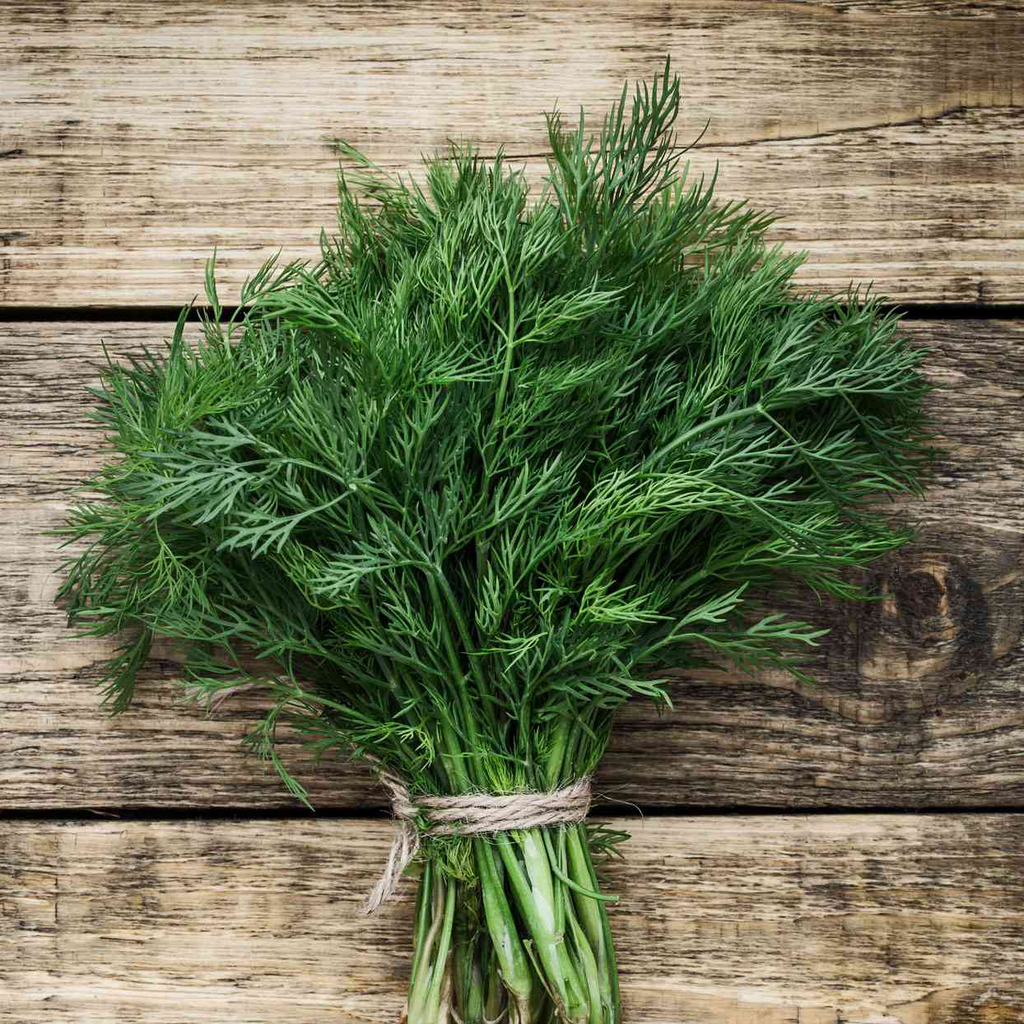
Yes, hamsters can eat a small amount of plain dill. Woodgreen Pets Charity specifically includes dill among herbs that can be offered to hamsters in either fresh or dried form.
Fresh dill fronds are the simplest option. Wash them, offer a small piece plain, and remove any fresh leftovers before they spoil.
You do not need to give dill two or three times every week, and there is no established veterinary serving size specifically for this herb. Treat it as optional variety alongside a nutritionally complete hamster diet.
Is dill safe for hamsters?
Yes, plain culinary dill can be included in a hamster’s diet in small amounts.
Woodgreen Pets Charity lists dill alongside herbs such as basil, parsley, mint, oregano, and lavender and says these herbs can be offered fresh or dried.
That gives dill stronger hamster-specific support than many herbs that appear only on informal food lists.
The RSPCA gives the broader rule that a hamster’s main diet should be a balanced food, with only small quantities of suitable fresh produce added alongside it.
So dill is safe to use as an extra. It is not something your hamster needs for vitamins, calcium, or any other nutrient.
How much dill can a hamster eat?
There is no evidence-based dill serving such as “three fronds twice a week.”
Woodgreen suggests keeping treats roughly around the size of the hamster’s ear and offering them occasionally. That is a general treat guideline, not a dill-specific dose.
For dill, a sensible starting point is simply:
| Hamster | Starting amount |
|---|---|
| Syrian hamster | A small piece of fresh dill |
| Dwarf hamster | A smaller piece than you would give a Syrian |
If your hamster has never eaten dill before, start with less.
There is also no reason to create a fixed dill schedule. If your hamster already received another herb, vegetable, fruit, or treat, you do not need to add dill simply because several days have passed.
For the overall diet, see what hamsters can eat.
Can dwarf hamsters eat dill?
Yes, a healthy dwarf hamster can have a small amount of plain dill.
The original version argued that dill was especially suitable because it was low in sugar and therefore carried “no diabetes concern.”
That is not the best way to judge an herb.
Roborovski, Winter White, Campbell’s, and hybrid dwarf hamsters should not automatically be treated as one identical diabetes-risk group. And low sugar alone does not make a food unlimited.
The practical difference is much simpler: a dwarf hamster is smaller than a Syrian, so its portion should also be smaller.
PetMD recommends keeping vegetables, fruits, herbs, and other extras limited while a nutritionally balanced hamster food remains the foundation of the diet.
If your hamster has diabetes or another medical condition requiring dietary management, follow your veterinarian’s advice.
How to prepare fresh dill
Fresh dill needs very little preparation.
- Choose fresh culinary dill intended for eating.
- Wash it under running water.
- Remove any wilted, slimy, or damaged material.
- Tear off a small piece.
- Offer it plain.
- Remove leftovers later rather than allowing damp herbs to remain buried in the enclosure.
There is no need to cook dill.
Do not add:
- oil
- butter
- salt
- dressing
- sauce
- seasoning
Your hamster needs the herb, not the recipe it was supposed to go into.
Can hamsters eat dill stems?
A tender stem attached to a small piece of fresh dill does not need to become a major concern.
However, there is little value in deliberately giving a hamster a large, tough dill stem.
Hamster feeding guidance generally discusses dill as an herb, rather than establishing separate feeding rules for every part of the plant.
For a straightforward serving, use the soft leafy fronds and any fine tender stem naturally attached to them.
That avoids creating another food-safety question without losing anything useful.
Can hamsters eat dried dill?
Yes, plain dried dill can be offered in a small amount.
This is one area where the evidence is unusually straightforward. Woodgreen specifically says herbs including dill may be offered fresh or dried.
Check the ingredient list carefully.
You want:
dill
not:
- dill seasoning blend
- garlic dill seasoning
- salted herb mix
- flavored spice mix
A tiny pinch is enough because dried herbs take up much less space than fresh fronds.
There is also no reason to claim dried dill is nutritionally inferior and therefore barely useful. Fresh and dried are simply two acceptable forms according to the available hamster feeding guidance.
Is fresh dill better than dried dill?
I would choose fresh dill when it is already in your fridge because it is easy to portion and inspect.
But you do not need to buy fresh dill specifically for your hamster.
Plain dried dill is also an option.
The more important distinction is:
plain culinary dill vs. processed dill products
rather than:
fresh good, dried bad
Both fresh and dried herbs should remain small extras.
Can hamsters eat dill seeds?
I would not deliberately add dill seeds to a hamster’s diet.
This is not because there is strong evidence showing that dill seeds are toxic.
The issue is that the hamster-specific source supporting dill discusses the herb generally and does not establish a recommended serving for concentrated dill seeds.
Dill seeds also offer no particular benefit that makes experimenting with them worthwhile.
If one tiny seed happens to be attached to culinary dill, that is different from intentionally adding spoonfuls of dill seed to the food mix.
For deliberate feeding, stick with the form that has clearer guidance: the herb itself.
Can hamsters eat dill flowers?
I would use the same approach as with seeds.
There is no need to classify every part of the plant as safe simply because the leafy herb is recommended.
If your fresh dill has flowered, use the familiar fronds rather than intentionally serving flowers.
This is a good general rule for Hamster Corner food guides:
evidence for one edible part of a plant should not automatically be extended to the entire plant.
Can hamsters eat dill pickles?
No. A dill pickle is not the same thing as dill.
Pickles are typically made using ingredients such as:
- salt
- vinegar
- spices
- garlic
- sugar
- preservatives
Those additions make them processed human food rather than an appropriate hamster treat.
PetMD advises avoiding processed human foods and keeping hamster extras simple and unseasoned.
If you want to give your hamster dill, use the actual herb.
For cucumber itself, see can hamsters eat cucumber?.
What about dill from a cooked meal?
Skip it.
A sprig of dill that has been mixed into soup, potatoes, fish, sauce, or another dish may have absorbed salt, oil, butter, garlic, onion, or other ingredients.
There is no reason to rinse cooked food and try to turn it back into hamster food.
Use a clean piece of plain dill before cooking instead.
What if my hamster ignores dill?
Nothing is wrong.
Dill has a strong aroma, and individual hamsters have different preferences.
One may carry the herb straight to its food store. Another may sniff it once and leave it untouched.
Dill is not nutritionally essential, so there is no need to keep offering it until your hamster eventually eats it.
Remove the uneaten piece and use another suitable fresh food next time.
What if my hamster eats a lot of dill?
If your hamster gets more fresh dill than intended, remove the remaining herb and go back to its normal diet.
Do not assume it has been poisoned.
Watch for a meaningful change from normal, particularly:
- diarrhea or unusually soft droppings
- reduced appetite
- unusual lethargy
- another significant behavioral change
The RSPCA advises avoiding sudden dietary changes and contacting a veterinarian if a hamster starts eating less or develops moist droppings or a soiled rear.
If symptoms persist or your hamster appears unwell, contact a veterinarian experienced with hamsters.
Does dill make good enrichment?
A small herb can add some sensory and foraging variety.
PetMD recommends offering safe herbs, leaves, and flowers as part of hamster enrichment and encourages scattering or hiding appropriate foods rather than placing everything in one bowl.
You could place a small piece of dill:
- beside a hide
- on top of bedding
- near a forage area
- among other appropriate fresh foods
But do not oversell it.
Dill is a small enrichment extra. Deep bedding, hiding spaces, a suitable wheel, foraging opportunities, and a well-designed enclosure matter much more to your hamster’s welfare.
Dill vs. mint: which is better?
Both can be offered in small amounts.
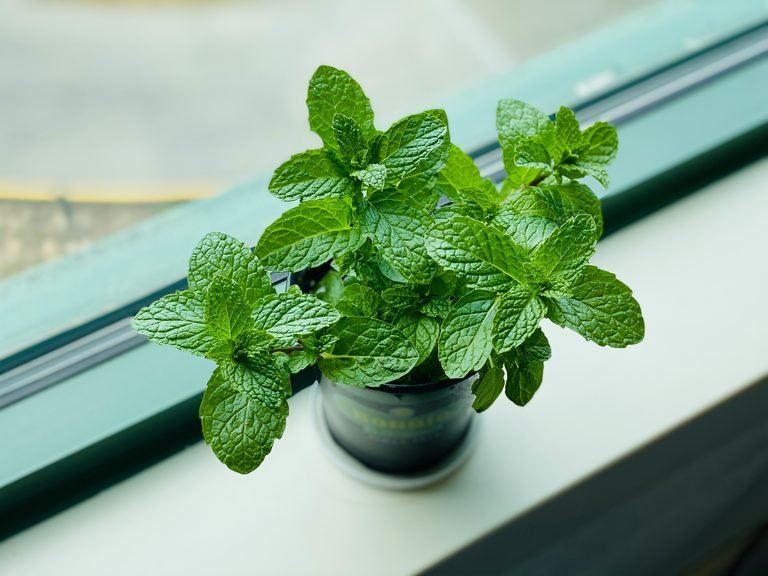
Woodgreen specifically includes both dill and mint among herbs suitable for hamsters.
There is no reason to rank one as nutritionally superior.
If your hamster likes dill, use dill occasionally.
If it prefers mint, use a small amount of mint.
If it ignores both, choose another appropriate fresh food.
The point of offering herbs is variety, not building a complicated herb rotation.
Is dill worth adding to a hamster’s diet?
Yes, if you already have some and your hamster enjoys it.
But it is not important enough to buy specifically for hamster nutrition.
A good commercial hamster food provides the nutritional foundation. Appropriate vegetables, herbs, and other fresh foods can add limited variety around that base.
Dill is one of those optional extras.
That makes it a nice food to use, but not a necessary one.
The bottom line
Hamsters can eat a small amount of plain dill. Woodgreen Pets Charity specifically lists dill among herbs that may be offered fresh or dried.
Fresh fronds are the easiest option, while plain dried dill can also be used in a tiny amount.
There is no evidence-based need for a 2–3-times-a-week schedule, and being low in sugar does not make dill unlimited for dwarf hamsters.
I would also avoid turning the lack of known toxicity into blanket approval for dill seeds, flowers, oils, or every dill-containing human food. Stick with the culinary herb itself, keep the portion small, and let your hamster decide whether it likes it.
Keep reading: What can hamsters eat? | Can hamsters eat cucumber? | Safe vegetables for hamsters | Foods toxic to hamsters
Hamster Corner provides general educational information about hamster care and nutrition. If your hamster develops persistent diarrhea, stops eating, or shows another significant health change, contact a veterinarian experienced with hamsters.