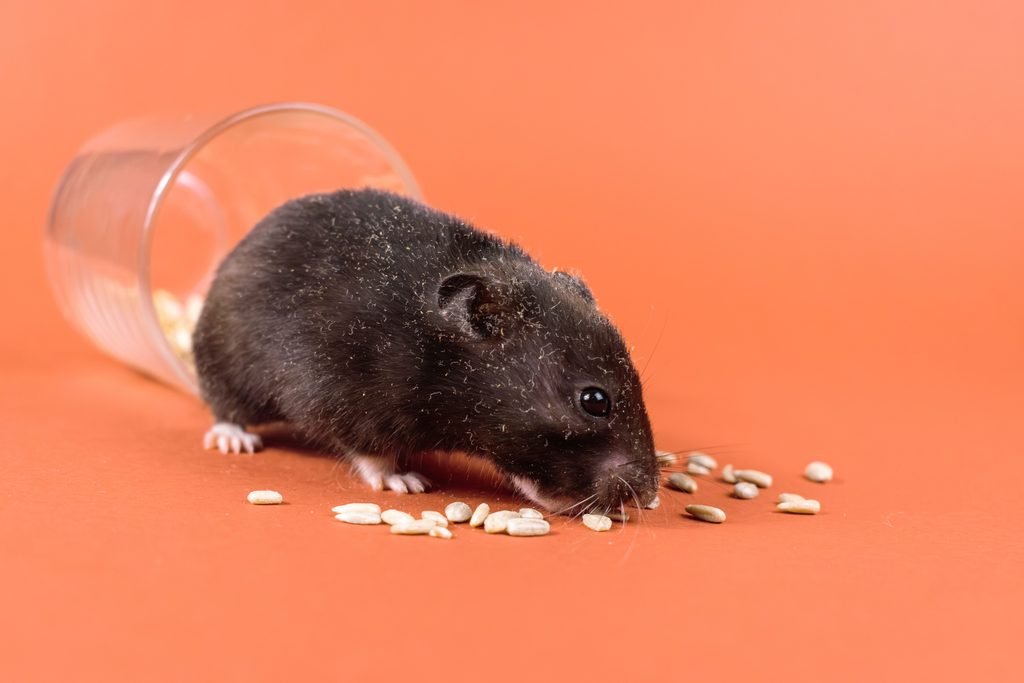
You can make small homemade treats or enrichment mixes for a hamster, but I would not use a DIY recipe to replace a complete commercial hamster food. A handful of grains, seeds and herbs may look varied, but there is no simple household formula that proves the finished mix supplies everything a hamster needs.
The safer approach is to keep a complete, species-appropriate dry food as the staple and use individually supported foods such as plain oats, millet or suitable dried herbs for extra variety.
Can homemade hamster food replace commercial food?
For most owners, I would say no.
The RSPCA recommends a good-quality balanced hamster diet containing the essential nutrients and minerals the animal needs. It says this can come from either a compound pellet ration or a mixture of seeds formulated to meet hamster requirements.
Woodgreen similarly recommends a good-quality complete dry mixture, with the composition adjusted for species and life stage.
That is different from mixing oats, seeds, lentils and herbs in the kitchen.
The problem is not that homemade ingredients are automatically bad. The problem is that there is no way to look at a jar of grains and seeds and know that the final nutrient balance is complete.
For the wider feeding framework, see what hamsters can eat.
Why I would not use a homemade percentage recipe
You may see DIY hamster recipes that look something like this:
- 50% grains
- 20% seeds
- 10% legumes
- 10% dried vegetables
- 10% herbs
The percentages make the recipe look scientific, but I could not find authoritative hamster guidance establishing that formula.
The same problem applies to rules such as “oily seeds must stay below 20%” or “every homemade mix must contain a certain percentage of lentils.”
A nutritionally complete diet has to provide appropriate amounts of protein, fat, vitamins, minerals and other nutrients together. Changing one ingredient can change several parts of that profile at once.
National Academies’ review of hamster nutrition illustrates how complex this becomes. Experimental complete diets include carefully controlled protein sources, mineral mixtures, vitamin mixtures and other ingredients. That is very different from combining pantry foods by volume.
So I would not publish a DIY recipe as though it were a nutritionally balanced hamster food.
What can you safely DIY instead?
A better homemade option is an enrichment mix, not a replacement diet.
Use foods that already have reasonable hamster-specific support and offer them as small extras alongside the complete staple.
Examples include:
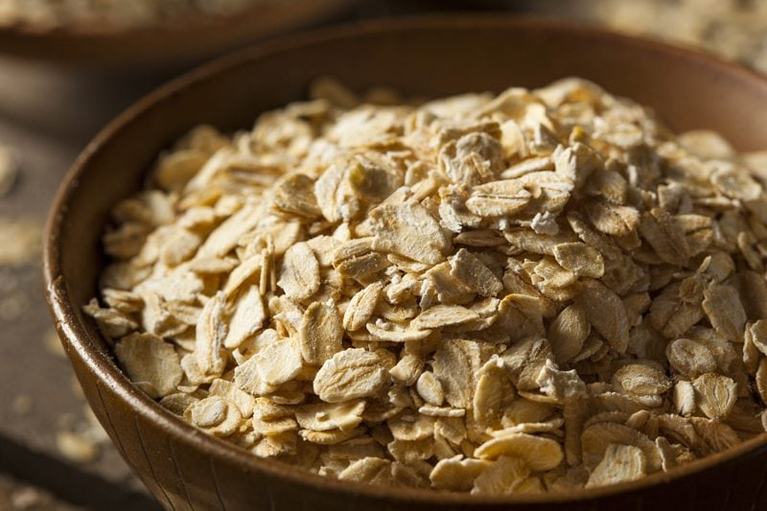
- a few plain porridge oats
- millet seed spray
- suitable seed sprays
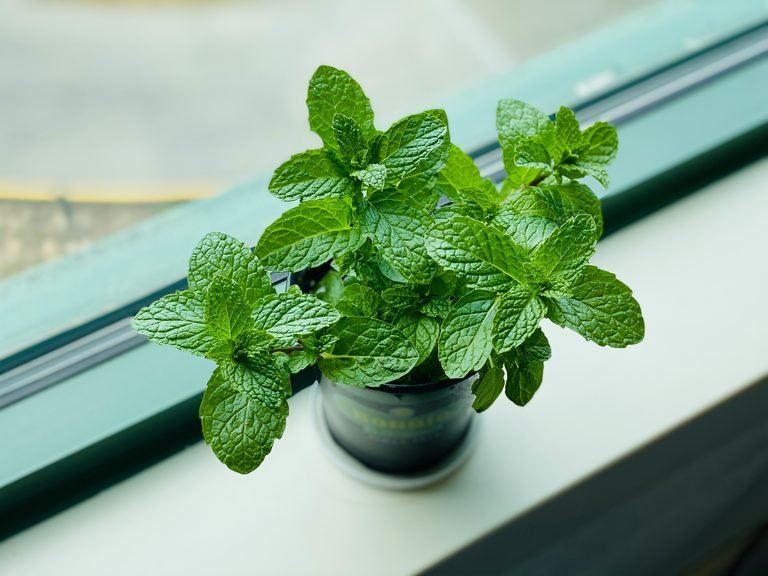
- small amounts of dried hamster-safe herbs
Woodgreen specifically recommends plain porridge oats as a small treat. Its hamster guidance also lists millet spray and seed sprays such as sorghum, flax and amaranth, along with fresh or dried herbs including basil, parsley, mint, oregano, lavender and dill.
You do not need to combine all of these or measure them into a nutritional ratio.
You could simply keep a few suitable dry extras on hand and rotate them for foraging and enrichment.
A safer DIY enrichment jar
If you like the convenience of having one homemade jar, keep the concept simple.
Choose a few individually supported dry extras, such as plain porridge oats, pieces from millet or other suitable seed sprays, and one or two hamster-safe dried herbs.
Mixing these together does not turn them into a complete food.
Use the jar as a treat or scatter-feeding enrichment option while the hamster’s normal complete dry food continues to provide the staple diet.
I would not add vitamin powders, mineral supplements or other concentrated nutrients in an attempt to make the mixture “complete.” A properly balanced commercial staple should already be designed to provide essential nutrition.
What about lentils, peas and other pulses?
Woodgreen includes pulses among foods that can be part of hamster feeding, but that does not mean every pulse in every form should automatically go into a dry DIY mix.
PetMD specifically advises against raw beans.
That distinction is important because “legumes” is a broad category. A warning about raw beans should not be expanded into “all raw legumes are toxic,” but a general recommendation for pulses should not be expanded into “all uncooked lentils are safe” either.
For a homemade enrichment mix, there is little reason to use ambiguous ingredients when oats, millet and suitable herbs already have clearer practical guidance.
What ingredients should stay out?
Avoid turning the enrichment jar into a collection of human snack foods.
Established hamster-care sources recommend avoiding sugary, salty and seasoned foods. Blue Cross specifically cautions against sugary and fatty treats including sticks containing honey or molasses.
Also avoid foods already identified as unsuitable in hamster-specific guidance, including onion, garlic, chocolate and raw beans.
See foods toxic to hamsters before experimenting with an unfamiliar ingredient.
I would also avoid broad claims such as:
- salt causes kidney damage even in tiny amounts
- sugar directly triggers diabetes
- artificial colors are toxic
- preservatives damage hamster organs
- all raw legumes contain dangerous levels of lectins
Those statements require stronger hamster-specific evidence than a general DIY food article can provide.
The practical recommendation is enough: use simple, unseasoned foods with established hamster guidance.
Do dwarf hamsters need a special homemade mix?
I would not formulate a DIY diet around the rule that every dwarf hamster needs a “low-sugar, low-fat mix.”
Roborovski, Winter White and Campbell’s hamsters should not automatically be treated as having identical metabolic risk.
More importantly, a homemade mixture does not become nutritionally complete simply because you remove sweet ingredients or reduce sunflower seeds.
Woodgreen actually recommends different commercial dry-mix profiles by species. Chinese, dwarf and Roborovski hamsters generally do better with more smaller seeds, some protein and fewer grains and cereals than the type of mix it describes for Syrians.
That makes species-appropriate complete food more important, not less.
If your hamster has diabetes, obesity or another diagnosed medical problem, ask a hamster-experienced veterinarian about the diet rather than trying to formulate a therapeutic mix yourself.
Do hamsters need homemade protein additions?
Not necessarily.
A complete hamster food should already contain an appropriate protein source. Woodgreen gives dried mealworms as one example.
Additional boiled egg or mealworms can be occasional extras, but they are not automatically needed to repair the staple diet.
If your homemade mixture needs egg, mealworms and supplements added to make it nutritionally adequate, that is another sign it should not be doing the job of the complete food in the first place.
What about fresh homemade food?
Fresh vegetables can add variety, but they do not need to be given every day or measured using invented thumbnail-sized portions.
Blue Cross recommends fresh-food pieces roughly the size of the hamster’s ear. Woodgreen also uses an ear-sized reference for small treats.
Suitable vegetables can be rotated rather than turned into a daily menu.
See safe vegetables for hamsters for individual foods and their evidence.
Fresh food also needs more attention than dry enrichment because hamsters hoard. Remove fresh leftovers before they spoil in the bedding while allowing clean dry food stores to remain where practical.
How should you store a homemade dry enrichment mix?
Do not rely on a universal rule such as “a homemade hamster mix lasts four to six weeks.”
Shelf life varies with the ingredients, how dry they are, their original best-before dates and storage conditions.
Keep dry foods in a clean airtight container in a cool, dry place. Check the original packaging dates when relevant and make amounts small enough to use while the ingredients are still fresh.
Discard the mixture if you find moisture, mould, insects or an unusual rancid or musty smell.
Why a complete commercial food still matters
A complete hamster diet has to achieve more than ingredient variety.
Research into hamster nutrition includes defined amounts of protein, vitamins, minerals and other dietary components. That makes creating a genuinely balanced diet much more complicated than combining several foods that are individually safe.
This does not mean every commercial hamster food is automatically good.
The product still needs to be suitable for the species and life stage, and formulations differ. Our guide to hamster food ingredients explains how to evaluate the label rather than trusting the front of the package.
But a properly formulated complete food provides a nutritional foundation that an untested DIY recipe cannot reliably reproduce.
Frequently asked questions
Can I feed my hamster only a homemade seed mix?
I would not recommend it unless the diet has been specifically formulated for your hamster by someone qualified to assess its nutritional adequacy.
A varied-looking seed mix can still be nutritionally incomplete.
Can I mix oats and millet for my hamster?
Both plain porridge oats and millet have support as small hamster treats or enrichment foods.
They can be used alongside the normal diet, but mixing them together does not make them a complete hamster food.
Do I need to add vitamin supplements to homemade hamster food?
Do not try to correct an unbalanced DIY diet by adding vitamin or mineral supplements yourself.
A complete staple should already supply essential nutrients. If your hamster has a suspected deficiency or medical need, speak with a hamster-experienced veterinarian.
Is homemade hamster food healthier because it has no additives?
Not automatically.
Recognizable ingredients and lack of unnecessary sugary treats can be appealing, but “natural” does not mean nutritionally complete.
A jar of oats, seeds and herbs can contain simple ingredients while still failing to provide the overall nutrient balance a hamster needs.
The bottom line
You can DIY hamster treats and enrichment, but I would not DIY the hamster’s complete diet.
Plain oats, millet, suitable seed sprays and certain dried herbs can provide variety when used as small extras. There is no need to turn them into a 50/20/10/10/10 recipe or claim that a particular homemade ratio is nutritionally balanced.
Keep a complete, species-appropriate commercial hamster food as the staple. Use homemade additions for what they are genuinely good at: variety, foraging and enrichment.
Keep reading: What can hamsters eat? | Hamster food ingredients | Safe vegetables for hamsters | Foods toxic to hamsters
Hamster Corner provides general educational information about hamster care. It is not a substitute for professional veterinary advice. If you want to feed a fully homemade diet or your hamster has a medical condition affecting nutrition, consult a hamster-experienced veterinarian.