Yes, hamsters can eat many vegetables, including broccoli, cucumber, bell pepper, carrot, spinach, cauliflower, kale, peas, green beans, and several leafy greens. The important part is keeping vegetables as a small addition to a complete hamster diet rather than treating fresh produce as the main food.
There is also no good reason to create a different tablespoon, centimetre, or floret-size rule for every vegetable and hamster species. Reputable guidance is much simpler: offer small amounts, introduce dietary changes gradually, and remove uneaten fresh food before it spoils. Woodgreen and Blue Cross use an especially practical benchmark, with fresh-food portions roughly comparable to the size of the hamster’s own ear.
For the bigger picture on dry food, protein, treats, and fresh foods, see what hamsters can eat.
Well-supported vegetables for hamsters
Rather than calling any list “definitive,” it is more useful to separate vegetables that are directly named by reputable hamster-care sources from foods where the evidence or recommendations are less clear.
| Vegetable | What the evidence supports | Practical note |
|---|---|---|
| Broccoli | Listed by Woodgreen, PetMD and PDSA | Offer a small plain piece |
| Cucumber | Listed by Woodgreen, PetMD and PDSA | Suitable as part of a varied rotation |
| Bell pepper | Listed by PetMD and PDSA | Use sweet bell pepper, not hot chilli peppers |
| Courgette / zucchini | Listed by PDSA, while PetMD also lists squash | Serve plain and in a small amount |
| Romaine lettuce | Specifically listed by PetMD | A more useful choice than iceberg lettuce |
| Spinach | Listed by Woodgreen, PetMD and PDSA | Rotate rather than making one vegetable the entire fresh-food routine |
| Carrot | Listed by Woodgreen, PetMD and PDSA | PetMD treats carrot more cautiously because of its natural sugar content |
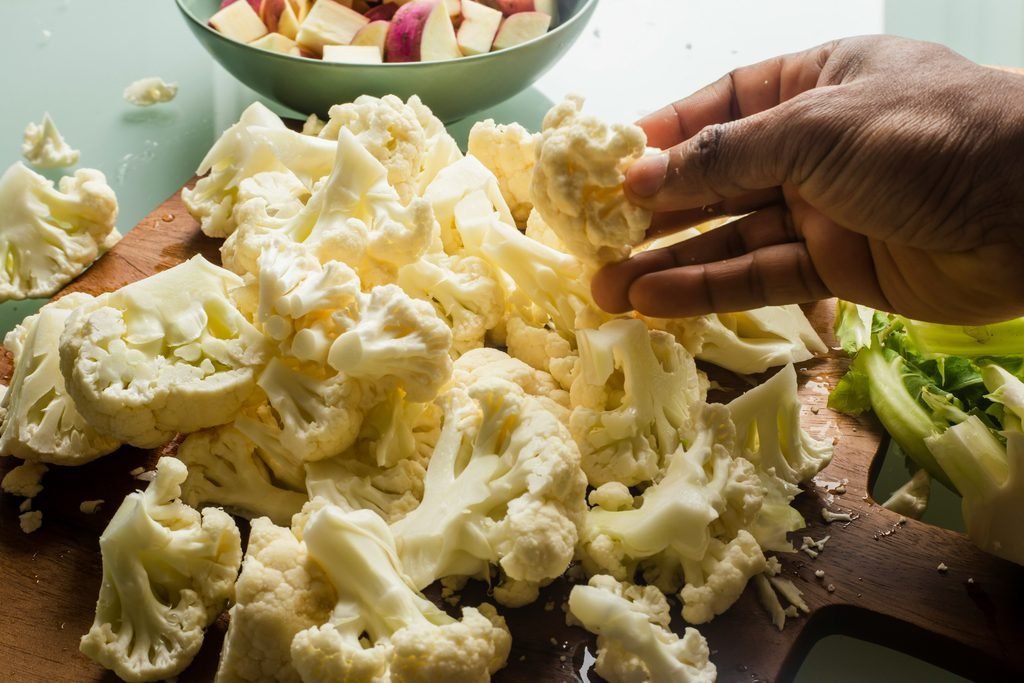
| Cauliflower | Listed by Woodgreen and PDSA | Woodgreen allows the stalk and floret raw or cooked but advises against the leaves |
| Kale | Listed by Woodgreen and PDSA | A suitable fresh green in moderation |
| Green beans | Specifically listed by Woodgreen | Raw or lightly cooked is acceptable according to Woodgreen |
| Peas | Listed by Woodgreen and PDSA | Keep to a small amount as with other extras |
| Asparagus | Listed by Woodgreen and PDSA | Woodgreen allows it raw or cooked |
| Brussels sprouts | Listed by Woodgreen and PDSA | Another option for rotation |
| Cabbage | Listed by Woodgreen and PDSA | Serve as a small part of the overall diet |
| Dandelion greens | Listed by PetMD | Use clean greens from a source you know has not been treated with pesticides |
Woodgreen’s hamster feeding guidance provides one of the clearest hamster-specific lists, while PetMD’s veterinarian-reviewed feeding guide also names vegetables such as cucumber, broccoli, spinach, romaine lettuce, carrots, and coloured peppers.
That does not mean a hamster needs all of these foods. A nutritionally complete hamster food should remain the foundation of the diet, with vegetables used as extras and variety. The Merck Veterinary Manual and VCA Animal Hospitals both emphasize a balanced commercial diet first rather than building the diet around fresh produce.
How much vegetable should a hamster eat?
This is where many hamster feeding guides become more precise than the evidence allows.
You do not need a separate rule such as “half a cauliflower floret for a dwarf,” “2 cm of zucchini for a Syrian,” or “one pea for a Roborovski.” I could not find good veterinary guidance establishing those exact portions.
Blue Cross recommends fresh-food portions about as small as the hamster’s ear. Woodgreen gives similar guidance and advises keeping treats small. Because the hamster’s own ear scales with its body size, this is more useful than inventing separate Syrian and dwarf measurements.
Frequency is less clear-cut. PetMD says fresh vegetables can form part of the daily diet and suggests alternating vegetables, while Woodgreen treats fresh produce more like a small extra offered less frequently.
That difference is worth acknowledging rather than pretending there is one scientifically established schedule. A simple conservative approach is to keep portions small, rotate the vegetables you use, and make sure fresh food never displaces the nutritionally complete staple diet.
Do dwarf hamsters need a different vegetable list?
Not automatically.
The original version of this guide said Roborovski, Winter White, and Campbell’s hamsters are all genetically prone to diabetes. That is too broad.
Diabetes and abnormal glucose metabolism have been documented in some dwarf-hamster research populations, including Djungarian hamsters, but risk is influenced by species, breeding line, and ancestry. The available evidence does not justify treating every Roborovski, Winter White, and Campbell’s hamster as having an identical metabolic risk.
The practical consequence is simpler than many feeding charts make it sound. Do not turn “low sugar” into a license to feed unlimited vegetables, and do not create arbitrary restrictions for every dwarf hamster based only on the word dwarf. A complete species-appropriate diet still comes first.
If a hamster has actually been diagnosed with diabetes or another metabolic condition, its diet should be discussed with a hamster-experienced veterinarian rather than managed from a generic vegetable chart.
Vegetables and plant foods I would skip
Some foods have much clearer reasons to leave them out.
Garlic, onions, leeks, and chives
Woodgreen lists garlic, leeks, onions, and chives among foods to avoid. PetMD also advises against garlic and onions.
There is one awkward detail: PDSA’s current hamster guidance lists onion among suitable vegetables.
Because reputable sources conflict and there are plenty of better-supported vegetables available, I would simply skip onion rather than experiment with it. That is more defensible than claiming a precise toxic dose or mechanism that has not been established for pet hamsters.
Potato
PetMD advises against potatoes, while Woodgreen specifically includes potato, including raw or green potato, on its avoid list.
There is no nutritional reason a hamster needs potato, so this is another easy food to leave out rather than trying to establish a supposedly safe preparation or serving size.
Rhubarb
Rhubarb is one of the clearer foods to avoid. The RSPCA’s hamster diet guidance specifically warns against rhubarb, and both Woodgreen and PetMD also advise against it.
Tomato
Tomato is less straightforward.
Woodgreen puts tomato on its avoid list. PDSA, however, lists tomato as a suitable fruit for hamsters. PetMD takes a narrower position, warning specifically against unripe tomatoes and identifying tomato leaves as unsafe.
With authoritative guidance this inconsistent, I would not tell readers that ripe tomato is definitely safe or definitely toxic. If you want the simplest conservative answer, skip tomato. Hamsters do not need it, and there are many vegetables with much clearer guidance.
Aubergine / eggplant
Woodgreen specifically lists aubergine among foods to avoid. I would follow that guidance rather than using the common but oversimplified claim that cooking somehow makes eggplant safe for hamsters.
Hot peppers
Sweet bell peppers appear on hamster-safe lists, but that does not extend to chilli peppers. Woodgreen advises against chillies, and PetMD recommends avoiding spicy peppers.
Iceberg lettuce
Iceberg lettuce is better described as not worth prioritizing than as toxic. PetMD advises avoiding it because it has very little nutritional value. Romaine and other supported leafy greens are more useful choices.
For other foods where toxicity or safety is the main question, see foods toxic to hamsters.
How to prepare vegetables safely
Wash fresh produce before serving it. PDSA specifically recommends washing vegetables, and fresh food should be offered plain rather than seasoned or mixed into human dishes.
Avoid sudden major diet changes. RSPCA notes that abrupt changes can upset a hamster’s digestive system, so introduce unfamiliar foods gradually rather than changing several things at once.
Hamsters also hoard food, including fresh vegetables. Check the enclosure and remove uneaten fresh produce daily so it does not decompose in the bedding. Both Woodgreen and Blue Cross specifically recommend removing leftover fresh food.
Most importantly, vegetables are extras. They should not replace the nutritionally complete dry or pelleted diet that provides the bulk of the hamster’s required nutrients.
Can hamsters eat vegetables every day?
Possibly, but reputable guidance is not completely consistent on frequency.
PetMD allows small vegetable portions daily while recommending rotation. Woodgreen and Blue Cross take a more conservative approach to fresh extras.
So there is no strong basis for saying that every hamster should receive vegetables every day. What matters more is that portions remain small and that fresh foods do not crowd out the complete staple diet.
Can hamsters eat raw vegetables?
Many hamster-safe vegetables can be served raw, but “raw is always better” is another unnecessary blanket rule.
Woodgreen specifically says green beans, asparagus, cauliflower, and parsnip can be offered raw or cooked. If you cook a vegetable, keep it plain, with no salt, butter, sauces, garlic, onion, or seasoning.
The preparation should therefore depend on the individual food rather than a universal raw-versus-cooked rule.
What is the safest vegetable for a hamster?
There is no evidence-based reason to crown cucumber or zucchini as the single “safest” vegetable.
A better approach is to choose vegetables that appear consistently in reputable hamster-care guidance. Broccoli, cucumber, spinach, carrot, cauliflower, and several leafy greens all have direct support from established animal-welfare or veterinarian-reviewed sources.
Your hamster does not need a perfect vegetable. It needs a complete staple diet, small amounts of appropriate fresh food, clean water, and enough variety to provide interest without turning extras into the main meal.
This article is for general educational purposes and does not replace advice from a veterinarian familiar with hamsters.