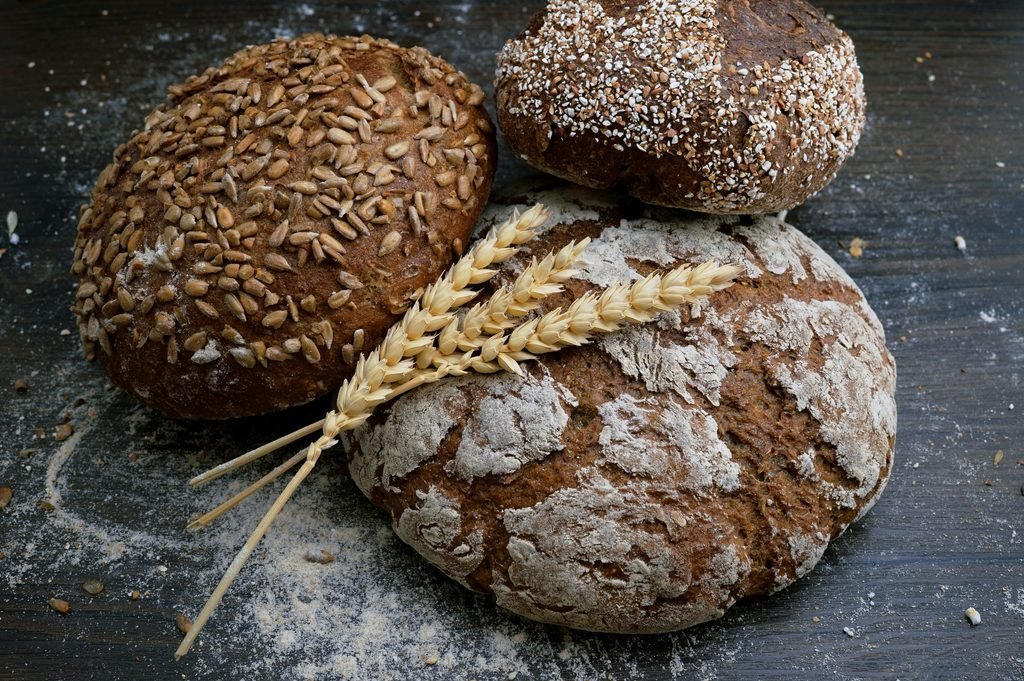
Yes. Hamsters can eat a small amount of plain whole-wheat bread occasionally, but bread is not something they need. Veterinary guidance that mentions bread treats it as an occasional extra rather than a useful part of a hamster’s diet.
There is also no reliable hamster-specific basis for rules such as “one pea-sized piece twice a month.” If you offer bread at all, keep it small, plain, and infrequent.
Is bread safe for hamsters?
Plain whole-wheat bread appears to be acceptable in small amounts.
Bowmanville Veterinary Clinic includes small pieces of whole-wheat bread among foods that can supplement a hamster’s main diet, with all extras fed in moderation. Northgate Veterinary Clinic similarly places whole-wheat bread in its “very occasional treats” category.
That is enough support to say a small amount is acceptable. It is not enough to turn bread into a recommended hamster food.
A nutritionally appropriate commercial hamster diet should remain the foundation. The RSPCA recommends a balanced ration formulated for hamsters, supplemented with small quantities of suitable fresh foods.
For the broader feeding framework, see what hamsters can eat.
Does a hamster need bread?
No.
Bread does not provide anything that requires you to add it to a hamster’s diet. Hamsters already get grains and other nutrients through an appropriate staple food, and there are plenty of better-supported fresh foods if you want to add variety.
So my recommendation is straightforward: you can offer a little plain whole-wheat bread occasionally, but there is no particular reason to make it a regular treat.
That is more useful than trying to make bread sound either dangerous or beneficial when it is neither.
How much bread can a hamster eat?
Keep it to a small amount occasionally.
I could not find a strong hamster-specific source supporting measurements such as:
- one pea-sized piece
- half a pea-sized piece for dwarf hamsters
- once or twice a month
- a different bread schedule for each hamster species
The veterinary sources that mention bread use broader guidance such as small pieces, moderation, or very occasional treats. That is the level of precision worth keeping.
Bread should not displace your hamster’s normal food just because the hamster enjoys eating it.
What kind of bread can hamsters eat?
The better-supported option is plain whole-wheat bread, because that is the type specifically mentioned by veterinary sources.
Keep the ingredient list simple. Bread containing ingredients that are inappropriate for hamsters should be avoided regardless of the bread itself.
For example, skip breads containing or topped with:
- onion or garlic
- chocolate
- sugary icing or glaze
- heavily salted toppings
- other ingredients you have not confirmed are suitable for hamsters
This does not mean every seeded or flavored bread is automatically toxic. The actual ingredients matter.
If you have to inspect a long ingredient list just to determine whether a piece of bread is suitable, it is easier to choose another treat.
See foods toxic to hamsters for foods and ingredients that deserve more caution.
Is whole-wheat bread better than white bread?
I would not turn this into a nutritional comparison for hamsters.
The veterinary sources I found specifically mention whole-wheat bread as an occasional food, so that is the version with clearer support. I did not find comparable hamster-specific evidence showing that white bread is dangerous or establishing a meaningful health advantage from choosing whole-wheat bread as a treat.
Since bread is optional anyway, there is little reason to optimize it.
If you want to offer bread, use a small piece of plain whole-wheat bread. Otherwise, skip it.
Can bread get stuck in a hamster’s cheek pouch?
Cheek-pouch impaction is a genuine hamster health problem, but the common claim that soft bread specifically sticks in cheek pouches is harder to establish.
PetMD’s veterinary guidance on hamster oral health explains that large pieces of food or bedding can become stuck in a hamster’s cheek pouch and that impacted pouches can become inflamed or infected.
That supports keeping foods appropriately sized and watching for pouch problems. It does not prove that bread has a unique tendency to cause impaction.
Do not use claims such as “stale bread is safer because it is less sticky” unless there is evidence supporting them.
If one cheek stays enlarged and does not empty normally, or your hamster has difficulty eating, seek veterinary care rather than trying to empty the pouch yourself.
Can dwarf hamsters eat bread?
There is no strong evidence supporting a separate bread rule for every hamster commonly called a dwarf.
I would not say that all dwarf hamsters must avoid bread because they are “diabetes-prone,” nor would I automatically halve an invented Syrian portion.
If you choose to offer bread, the same basic principle applies: a small amount of plain whole-wheat bread, very occasionally.
A hamster with diagnosed diabetes, obesity, or another medical condition should follow diet advice from a hamster-experienced veterinarian rather than a generic online treat guide.
Can hamsters eat toast?
Toasting bread does not turn it into a more necessary hamster food.
I could not find authoritative hamster-specific guidance showing that toast is safer than ordinary bread or less likely to cause cheek-pouch problems.
If the bread itself is plain whole-wheat and suitable, a tiny amount being toasted does not create an obvious reason to panic. But there is also no reason to toast bread specifically for your hamster.
Avoid butter, spreads, sugar, seasoning, garlic, and other toppings.
What if my hamster accidentally eats bread?
If your hamster eats a small amount of plain bread, there is generally no reason to treat that alone as a poisoning emergency.
Check what was actually in the bread. The ingredients matter more than the word “bread.”
If it contained a known hazard such as chocolate, onion, garlic, or another concerning ingredient, contact a hamster-experienced veterinarian for advice based on the specific exposure.
For plain bread, remove any remaining large amount and return to the hamster’s normal diet.
Better treats than bread
If you want to give your hamster an extra food, bread does not need to be your first choice.
Fresh foods with clearer hamster-specific guidance include vegetables such as broccoli, cucumber, peas, spinach, cauliflower, and green beans. Woodgreen lists these among suitable vegetables offered in small amounts.
See safe vegetables for hamsters for more options.
The point is not that bread is secretly dangerous. It is simply unnecessary when better-supported choices are available.
Frequently asked questions
Can hamsters eat whole-wheat bread?
Yes, in a small amount occasionally. Veterinary sources specifically include whole-wheat bread as an occasional or supplemental food rather than a regular part of the diet.
Can hamsters eat white bread?
I could not find equally clear hamster-specific veterinary guidance recommending white bread. Since bread is optional, I would choose the plain whole-wheat variety that veterinary sources actually mention rather than trying to establish a separate safe serving for white bread.
Can hamsters eat bread every day?
I would not offer it daily. Veterinary guidance that includes whole-wheat bread treats it as an occasional food, while a complete hamster diet should provide the nutritional foundation.
Is bread toxic to hamsters?
Plain whole-wheat bread is not treated as a toxic food in the veterinary guidance reviewed for this article. Some bread products can contain ingredients that hamsters should not eat, so always check what is actually in the bread.
Bottom line
A small amount of plain whole-wheat bread can be given to a hamster occasionally, but there is little reason to make it a regular treat.
The evidence does not justify a pea-sized serving schedule, a special dwarf-hamster formula, or claims that bread has been proven to stick to cheek pouches.
Keep the staple diet first. If you want to add variety, vegetables and other foods with clearer hamster-specific guidance are usually more worthwhile.
Keep reading: What can hamsters eat? · Safe vegetables for hamsters · Foods toxic to hamsters
Hamster Corner provides general educational information about hamster care. It is not a substitute for professional veterinary advice. If your hamster develops signs of illness or eats a food containing a known hazard, contact a hamster-experienced veterinarian.