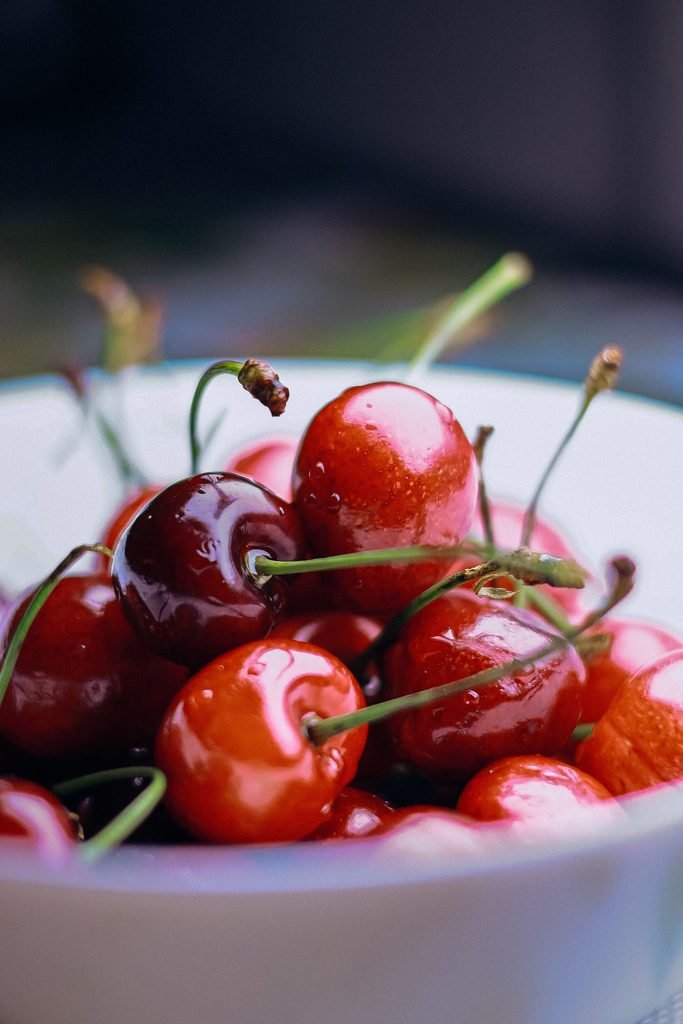
A tiny piece of fresh, pitted cherry flesh is probably low concern for a healthy hamster, but I would not call cherries a well-established hamster treat. I could not find authoritative hamster-specific guidance from PDSA, RSPCA or Woodgreen that specifically lists cherries as suitable. If you choose to offer cherry, use only a small piece of washed flesh and remove the pit completely.
The pit is the part that deserves real caution. Cherry pits belong to the Prunus group of plants, which contains cyanogenic compounds. That does not mean a tiny amount of cherry flesh is poisonous, but it does mean there is little reason to give your hamster access to the pit or other plant parts.
Are cherries safe for hamsters?
There is not enough hamster-specific evidence for me to give cherries the same confident “yes” as apple, pear or bell pepper.
RSPCA recommends small quantities of fruit and specifically gives apple as an example. PDSA lists apple, banana, melon, peach, pear and tomato among suitable fruits. Woodgreen lists apple, pear, strawberries, blueberries and banana.
Cherry is notably absent from those hamster-specific lists.
That does not prove the flesh is dangerous. Veterinary toxicology guidance from the Merck Veterinary Manual notes that the fleshy portions of fruits from cyanogenic plants generally have much lower cyanogenic potential than their seeds and leaves.
So the most accurate verdict is: a small amount of pitted cherry flesh is probably low concern, but cherries are not specifically recommended by the hamster sources I would normally rely on.
If you simply want a fresh extra with clearer hamster-specific guidance, there are easier choices. See our safe vegetables for hamsters or the broader guide to what hamsters can eat.
Why should you remove the cherry pit?
Cherry belongs to the Prunus genus. Merck includes several Prunus species among plants containing cyanogenic glycosides and notes that seeds and leaves typically have greater cyanogenic potential than the fleshy fruit.
When cyanogenic compounds are released and metabolized, they can produce cyanide, which interferes with the body’s ability to use oxygen.
That is a legitimate reason to remove the pit.
However, it is easy to overstate what this evidence proves. Merck also notes that severe toxicity in small animals is uncommon unless a substantial ingestion occurs and that an intact seed that is swallowed whole does not release cyanide in the same way as one that has been chewed or ground.
There is no reliable hamster-specific dose showing that one fragment of one commercial cherry pit will automatically poison a hamster.
So the practical advice is straightforward: remove the pit completely and do not intentionally offer it. There is no benefit that justifies testing the risk.
I would remove the stem as well and keep cherry leaves away from the enclosure. This gives you only the fruit flesh without unnecessary plant parts.
For more context on how we distinguish proven toxins from foods that simply warrant caution, see foods toxic to hamsters.
How much cherry can a hamster eat?
There is no good hamster-specific evidence supporting the common “pea-sized piece once a week” rule.
I would not create a Syrian versus dwarf cherry chart either. No authoritative source I found gives cherry-specific serving sizes for those species.
If you decide to offer cherry despite the limited evidence, keep it to a very small piece of pitted flesh occasionally, rather than making cherry part of a weekly feeding schedule.
The important point is that fruit is an extra. Your hamster does not need cherry for vitamin C, antioxidants or any other nutrient if its main diet is nutritionally complete.
Can dwarf hamsters eat cherries?
There is no good evidence supporting a blanket rule that all dwarf hamsters must avoid cherry because they are “diabetes-prone.”
PDSA specifically notes that Russian dwarf hamsters are particularly prone to diabetes and recommends avoiding overfeeding sugary fruit and vegetables. That is more specific than treating Roborovski, Campbell’s, Winter White, Chinese hamsters and hybrids as if they all have exactly the same risk.
The lack of good cherry-specific guidance is a stronger reason not to prioritize this fruit than a blanket dwarf rule.
If your hamster has diagnosed diabetes, obesity or another medical condition affecting diet, follow its vet’s feeding advice.
Are dried, canned or maraschino cherries okay?
I would skip them.
Hamster-specific guidance for dried cherry is lacking, and drying removes much of the water from fruit, leaving a more concentrated food. Commercial dried cherries may also contain added sugar.
Maraschino, candied and syrup-packed cherries are even less useful for a hamster because they are processed foods that may contain added sugar and other ingredients.
If you choose to give cherry at all, plain fresh fruit with the pit removed is the simplest version.
What if my hamster chewed a cherry pit?
Remove the remaining cherry and pit pieces and work out what happened as accurately as you can.
There is an important difference between finding an intact pit beside your hamster and knowing that part of the pit was actually chewed. Because there is no established hamster-specific toxic dose, I would not use a homemade rule such as “watch for 12 hours” or “wait 24 hours.”
If you know the pit was chewed, a meaningful portion is missing, you cannot tell how much was eaten, or your hamster develops weakness, breathing changes, unusual coordination, collapse or another significant behavioral change, contact a hamster-experienced vet promptly.
Do not induce vomiting, force water, give milk or try another home treatment for suspected poisoning.
Is cherry worth feeding at all?
Probably not.
That does not mean a tiny piece of pitted flesh is known to be dangerous. It means there is little reason to choose cherry when several fruits and vegetables have clearer hamster-specific guidance.
This is an important distinction. A food does not have to be proven toxic for the practical recommendation to be “skip it unless you particularly want to offer it.”
If you already have cherries and want to let a healthy hamster taste a tiny amount of the flesh, the evidence suggests low concern once the pit and other plant parts are removed. But I would not buy cherries specifically for a hamster or make them part of a regular feeding routine.
The bottom line
A tiny amount of fresh, pitted cherry flesh is probably low concern, but hamster-specific evidence is limited and major hamster-care sources do not specifically recommend cherries.
Remove the pit completely. Veterinary guidance confirms that seeds and leaves of cyanogenic plants generally carry more cyanogenic potential than the fruit flesh, but there is no hamster-specific evidence showing that a single cherry pit fragment is automatically fatal.
There is also no evidence-based pea-sized serving, once-a-week schedule or blanket rule that all dwarf hamsters must avoid cherries.
If you want a fresh extra with stronger hamster-specific support, choose one of the fruits or vegetables directly recommended by reputable hamster-care sources instead.
Keep reading: What can hamsters eat? | Foods toxic to hamsters | Safe vegetables for hamsters
Hamster Corner provides general educational information about hamster care. It is not a substitute for professional veterinary advice. If your hamster shows signs of illness or may have eaten a hazardous plant part, contact a hamster-experienced vet promptly.