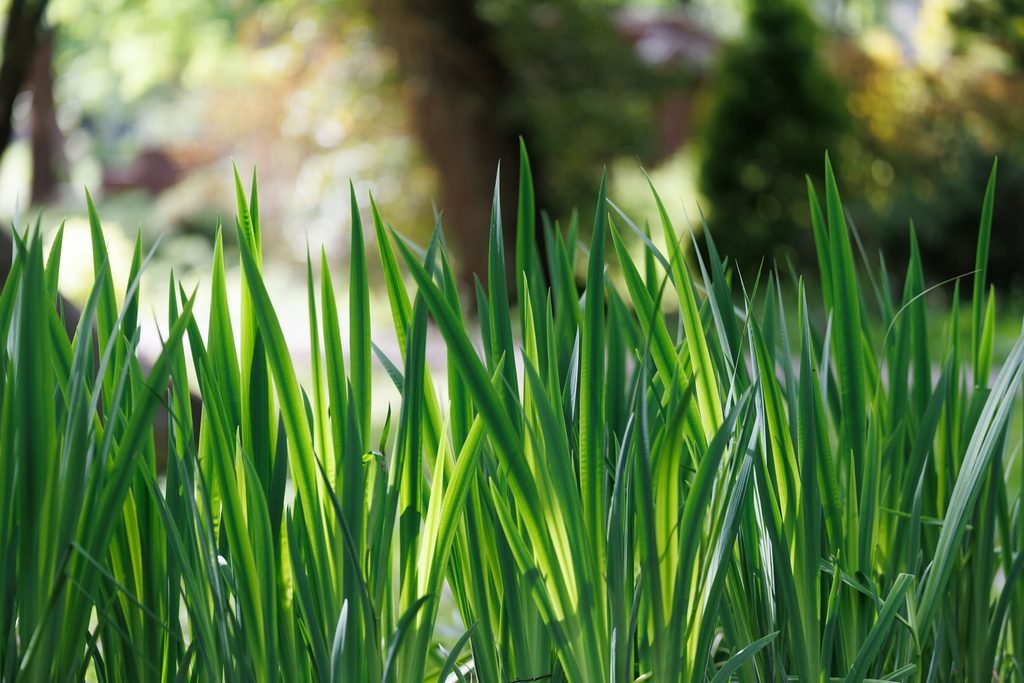
Yes, hamsters can eat some grass. Singapore’s Animal & Veterinary Service specifically includes grass among foods that can supplement a hamster’s main diet. However, there is no good hamster-specific evidence for an exact serving size or a schedule such as “once or twice a week.”
The more important question is where the grass came from. If you cannot identify the grass or do not know what has been used on the area where it grew, I would skip it. Your hamster does not need fresh grass, so there is little reason to take a chance on an unknown lawn.
Is grass safe for hamsters?
There is direct guidance supporting it.
Singapore’s Animal & Veterinary Service recommends feeding hamsters primarily an appropriate pelleted diet and says it can be supplemented with seeds, grass, grains, and occasional insects.
That is stronger evidence than simply assuming grass is safe because hamsters eat plants.
At the same time, fresh grass is not a required part of a pet hamster’s diet. The RSPCA hamster feeding guide bases the diet on a balanced hamster food with small quantities of greens, cleaned root vegetables, and suitable fruit alongside it.
So the practical answer is:
Known, clean grass can be an optional extra. It does not need to become part of your hamster’s regular feeding routine.
For the overall feeding framework, see what hamsters can eat.
How much grass can a hamster eat?
There is no well-supported hamster-specific rule saying a Syrian should receive a “small pinch” twice a week while a dwarf should receive a few blades once a week.
I would not use that kind of chart.
If you choose to offer fresh grass, keep the amount small enough that it remains an extra rather than replacing the complete staple food. For fresh foods more generally, Blue Cross uses the hamster’s own ear as a practical portion reference.
That is a better starting point than inventing separate measurements for Syrians, Roborovskis, Winter Whites, and Campbell’s hamsters.
There is also no reason to feed grass more frequently simply because it is relatively low in sugar. Sugar content alone does not determine whether a food should be part of a hamster’s regular diet.
Where should the grass come from?
This is the part I would be most cautious about.
The AVS guidance establishes that grass can be part of a hamster’s supplementary diet, but it does not establish that any grass from any lawn is automatically suitable.
If you are collecting grass yourself, use only grass from an area where you know what has been growing and what has been applied to it. Avoid grass if you are unsure whether the area has been treated with lawn chemicals or if other unidentified plants are mixed into it.
Wash fresh plant material before offering it, just as you would other fresh foods.
I would also avoid presenting “roadside grass” as a specific hamster toxin. The simpler and better rule is that unknown-source grass is unnecessary, so there is no advantage in taking the risk.
Can hamsters eat lawn clippings?
I would skip lawn clippings.
I could not find good hamster-specific veterinary guidance establishing lawnmower clippings as a recommended food. That makes the original claim that “fresh, clean clippings are fine” stronger than the evidence supports.
Clippings are also harder to assess than a few blades you deliberately pick because they may contain different plants or material from across the lawn.
If you want to offer grass, a few identifiable blades from a source you trust are the more conservative option. There is no need to collect material from the mower.
Do you need to cut grass into short pieces?
There is no good evidence that long grass blades routinely tangle in hamster cheek pouches, so I would not use that as a safety claim.
You can offer manageable pieces if that makes serving and removing leftovers easier, but this is a practical choice rather than a proven cheek-pouch precaution.
Hamsters naturally use their cheek pouches to transport food, and the RSPCA describes this as normal feeding behaviour.
Can dwarf hamsters eat grass?
The available guidance does not give a separate grass rule for dwarf hamsters.
The original version of this article recommended grass partly because it is low in sugar and therefore supposedly ideal for diabetes-prone dwarfs. That reasoning is unnecessary.
Not all dwarf hamster species and breeding lines have the same diabetes risk, and a food being low in sugar does not by itself make it beneficial or necessary.
If you have a healthy dwarf hamster, grass can simply be treated like any other optional extra: small, secondary to the complete diet, and only offered when you are confident about what it is and where it came from.
What about dried grass and hay?
Hay and fresh grass should not automatically be treated as interchangeable foods.
The RSPCA lists good-quality hay as suitable nesting material for hamsters. Blue Cross also uses soft, digestible hay in a hamster and gerbil enrichment activity.
That supports hay being useful in a hamster enclosure, particularly for nesting or enrichment. It does not mean hamsters require unlimited hay for nutrition in the way rabbits and guinea pigs do.
This distinction matters because feeding advice for grazing herbivores is sometimes copied over to hamsters. Hamsters are omnivores with different dietary needs.
What if my hamster accidentally ate grass from the yard?
If your hamster ate a little ordinary grass and is behaving normally, remove the remaining grass and work out where it came from. Check whether the area was treated with anything and whether the material definitely was grass rather than another plant.
Do not induce vomiting, force water, fast your hamster, or try another home treatment.
If you know the grass was exposed to a potentially hazardous chemical, cannot identify the plant, or your hamster develops significant lethargy, reduced appetite, weakness, persistent diarrhea, breathing problems, or another notable change, contact a hamster-experienced veterinarian promptly.
There is no good reason to use a rigid rule such as “wait 24 hours and then call the vet.” Small animals can deteriorate quickly, and the circumstances matter more than a countdown.
Is grass worth feeding?
You can offer it, but you do not need to.
That is probably the most useful conclusion here.
There is direct hamster-care guidance supporting grass as a supplementary food, so there is no reason to label clean grass inherently unsafe. But it also offers no essential role that requires you to collect it from outside.
If you have clean grass from a source you can confidently identify, a small amount can provide another item to investigate and nibble. If the source is questionable, skip it. Your hamster loses nothing by getting its nutrition from its complete staple diet and better-established fresh foods instead.
For alternatives with clearer hamster-specific feeding guidance, see our safe vegetables for hamsters.
Hamster Corner provides general educational information about hamster care. It is not a substitute for veterinary advice. Contact a hamster-experienced veterinarian if your hamster becomes unwell or may have eaten a hazardous plant or chemical.