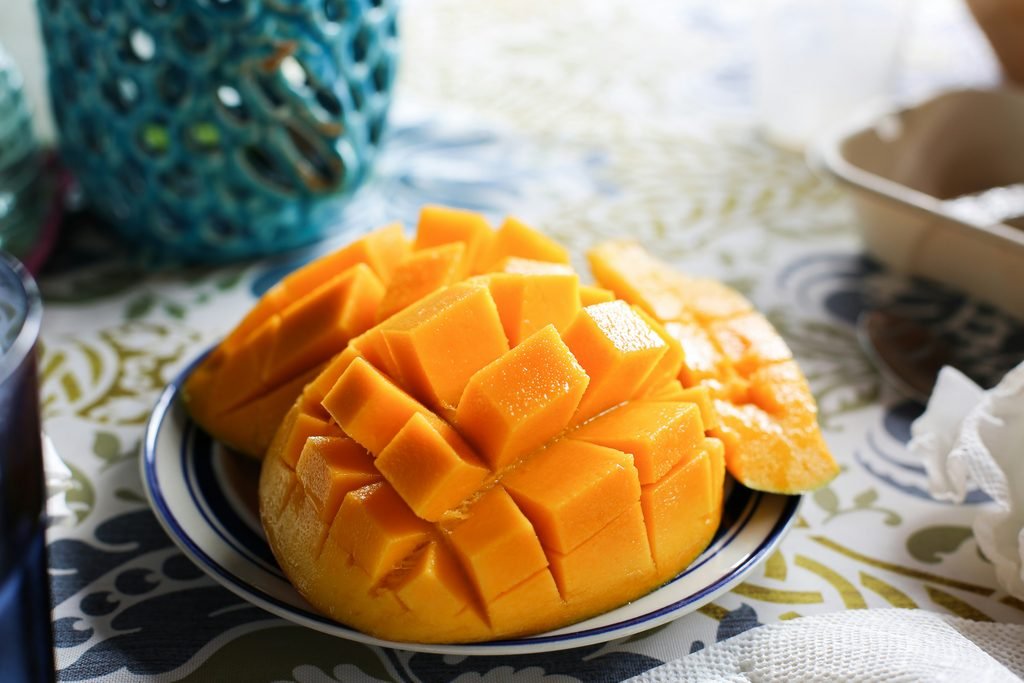
A tiny amount of ripe mango flesh is probably low concern for a healthy hamster, but mango is not one of the fruits specifically recommended in the major hamster feeding guides I checked. If you choose to offer it, use only a very small amount of plain fresh flesh occasionally. There is no evidence-based “raisin-sized once a week” serving, and mango does not need a blanket ban for every dwarf hamster.
Mango is a good example of why “not known to be toxic” and “proven safe” are not quite the same thing. PDSA, Woodgreen and PetMD all provide examples of fruits hamsters can eat, but mango does not appear on their main recommended lists.
That does not make mango poisonous. It simply means the evidence is weaker than it is for fruits such as apple, pear, banana or blueberries.
Is mango safe for hamsters?
I would describe a small amount of plain mango flesh as probably low concern rather than definitively proven safe.
PetMD says hamsters can have fresh fruit occasionally and that most fruits are hamster-safe, while advising owners to avoid citrus and remove fruit seeds and pits.
However, its specific examples include apples, bananas and strawberries rather than mango.
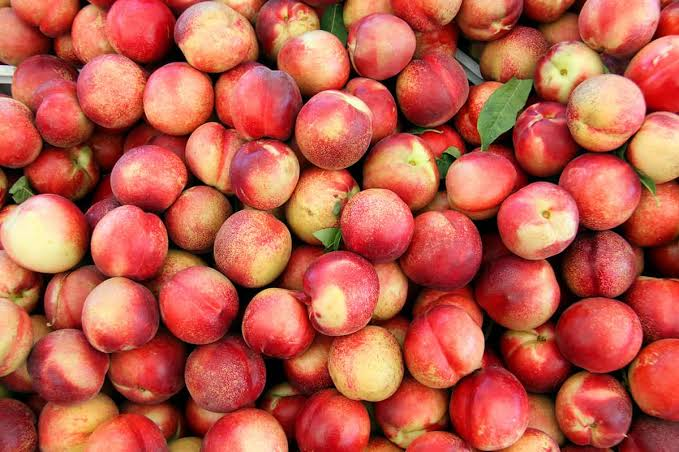
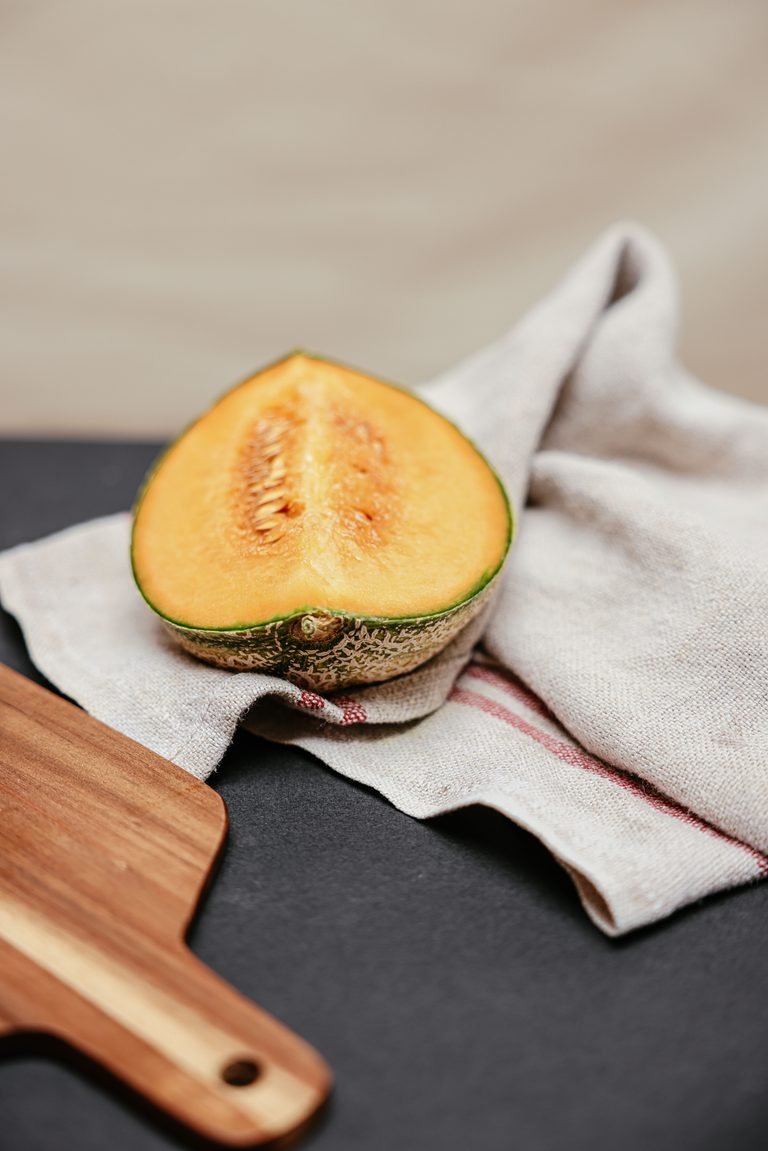
PDSA similarly lists several suitable fruits, including apple, banana, melon and peach, but does not specifically mention mango.
Woodgreen lists apple, pear, strawberries, blueberries, banana and grapes. Again, mango is not included.
So there is not enough direct hamster-specific guidance to turn mango into a strongly recommended treat.
If you already have mango and want to offer a healthy hamster a tiny taste, the plain flesh is probably low concern. If you are choosing fruit specifically for your hamster, there are better-supported options.
For the broader feeding framework, see what hamsters can eat.
How much mango can a hamster eat?
There is no reliable hamster-specific source establishing a raisin-sized serving or a once-a-week mango schedule.
I would therefore avoid treating those numbers as strict safety limits.
If you choose to offer mango, keep it to a very small piece occasionally. Mango should remain an optional extra rather than something included in the diet on a fixed schedule.
The main diet should still come from nutritionally complete hamster food. Fruit does not need to provide your hamster with vitamin C, antioxidants or another specific nutrient.
Can dwarf hamsters eat mango?
This needs more nuance than the common “Syrians yes, dwarfs no” rule.
PDSA advises against overfeeding sugary fruit and vegetables because this can contribute to obesity or diabetes and specifically notes that Russian dwarf hamsters are particularly prone to diabetes.
That is useful guidance, but it does not support saying every dwarf hamster has the same diabetes risk.
Roborovski, Campbell’s, Winter White, Chinese hamsters and hybrids should not automatically be treated as one identical metabolic group.
There is also no strong evidence showing that mango is safe for Syrians but inherently unsafe for every dwarf.
Since mango is not particularly well established as a hamster food anyway, there is no need to push it as a treat for any species. For a Russian dwarf hamster, especially one with a diagnosed metabolic problem, choosing a less sugary fresh food is the simpler option.
If your hamster has diagnosed diabetes, follow its vet’s dietary advice rather than a generic fruit list.
Should you remove mango skin?
I would remove it for a simple, conservative serving.
I could not find hamster-specific evidence establishing mango skin as toxic. So I would not claim that the peel is poisonous or dangerous.
There is simply no reason to include it when the soft flesh is the part you intend to offer.
Wash the mango before cutting it, peel the piece you plan to use and offer only a small amount of plain flesh.
Can hamsters eat the mango pit?
Do not give a hamster the large central pit.
Again, the reason does not need to be exaggerated. I could not find hamster-specific evidence showing that mango pits are toxic or establishing a poisoning mechanism relevant to pet hamsters.
The pit is large, hard and unnecessary. Remove it and offer only the flesh rather than inventing a toxicity or choking claim that the available evidence does not establish.
This is different from fruits such as apples and cherries, where specific concerns about cyanogenic compounds in seeds or pits are much better documented.
Can hamsters eat dried mango?
I would skip it.
Hamster-specific evidence for dried mango is lacking, and many commercial dried mango products contain added sugar or other ingredients.
Even an unsweetened dried product offers no clear advantage over a tiny piece of fresh fruit.
If you are determined to let your hamster try mango, plain fresh flesh is the simplest form.
What about canned or sweetened mango?
Skip mango packed in syrup, sweetened mango, mango desserts and other processed versions.
These products may contain added sugar and additional ingredients that are unnecessary for a hamster.
This does not mean every canned mango product is toxic. It simply means there is little reason to introduce a processed version when fresh fruit is available.
Always check an ingredient list rather than assuming all products with the word “mango” are equivalent.
Does mango cause diarrhea?
There is no good hamster-specific evidence showing that mango itself causes diarrhea.
What reputable hamster guidance does warn against is excessive fruit and sudden dietary changes.
PetMD notes that excess fruit can contribute to gastrointestinal upset, while Woodgreen recommends introducing unfamiliar foods gradually.
So if mango is new to your hamster, start with a very small amount rather than suddenly offering a large serving.
If your hamster develops persistent abnormal droppings, reduced appetite, significant lethargy, weakness or another notable change after eating a new food, contact a hamster-experienced vet promptly rather than waiting a fixed number of hours or withholding fresh food for several days.
Is mango worth feeding to a hamster?
Not particularly.
A tiny amount of ripe mango flesh is probably low concern, but there is no clear nutritional reason your hamster needs it and stronger hamster-specific guidance exists for several other fruits and vegetables.
That makes mango more of a “you can probably offer a tiny taste if you want to” food than something I would put on a recommended hamster shopping list.
If you want fresh foods with clearer supporting evidence, see our guide to safe vegetables for hamsters.
The bottom line
A tiny amount of plain ripe mango flesh is probably low concern for a healthy hamster, but hamster-specific evidence is limited.
Major hamster-care sources discuss fruit generally and recommend several specific fruits, but mango is not consistently among them. Because of that, there is no good basis for a raisin-sized serving, a once-a-week schedule or a rigid “Syrians can, dwarfs cannot” rule.
If you choose to offer mango, wash and peel it, remove the large pit and give only a very small amount of plain flesh occasionally.
For Russian dwarf hamsters, PDSA’s specific diabetes caution is worth considering when choosing sugary foods. For any hamster with diagnosed diabetes or another dietary condition, follow veterinary advice.
And if you are deciding what fresh food to buy specifically for your hamster, mango is easy to skip. Plenty of better-supported options exist.
Keep reading: What can hamsters eat? | Safe vegetables for hamsters | Foods toxic to hamsters
Hamster Corner provides general educational information about hamster care. It is not a substitute for professional veterinary advice. If your hamster shows signs of illness, contact a hamster-experienced vet promptly.