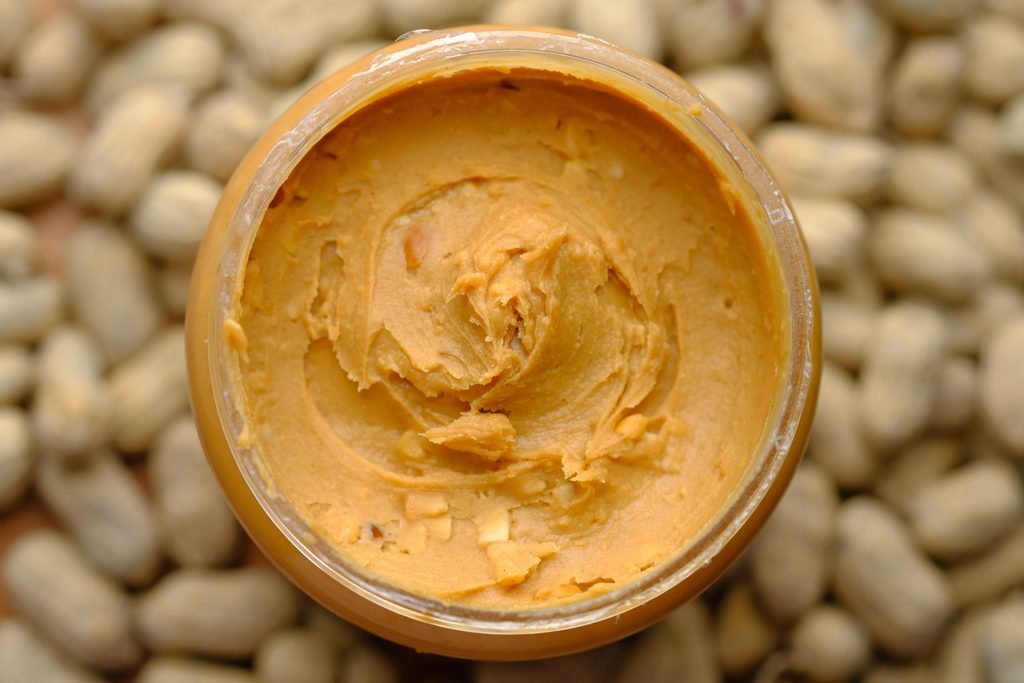
Hamsters do not need peanut butter, and I would skip it. The concern is not that plain peanut butter is a proven hamster toxin. It is the sticky texture: veterinary references on hamster cheek-pouch disorders identify sticky foods as a risk factor for food becoming impacted in the pouch.
That makes peanut butter different from many foods that are simply high in fat or unnecessary. A hamster naturally carries food in expandable cheek pouches, and sticky material is a poor fit for that anatomy.
There is also no well-supported “safe” serving such as a grain-of-rice smear, nor good evidence for giving Syrians one amount and dwarf hamsters another. When a food is optional and its texture creates an avoidable risk, there is little reason to invent a safe-dose rule.
Why peanut butter is a cheek-pouch concern
Hamsters use their cheek pouches to collect and transport food. These pouches can extend far behind the mouth when filled.
Veterinary literature on hamster cheek-pouch disorders identifies inappropriate foods, including sticky substances, as a risk factor for cheek-pouch impaction. Food can adhere inside the pouch and become difficult for the hamster to remove.
The veterinary reference Clinical Veterinary Advisor: Birds and Exotic Pets describes sticky substances as a risk factor for cheek-pouch problems. Veterinary guidance from Conbun goes further and specifically recommends avoiding sticky foods such as peanut butter.
That is enough for me to recommend skipping it.
The useful distinction is:
Peanut butter is not something I would label a proven poison for hamsters. It is a sticky food with an avoidable mechanical risk.
For the broader distinction between staple foods, extras, and foods worth avoiding, see what hamsters can eat.
Is there a safe amount of peanut butter?
I could not find strong hamster-specific guidance establishing an exact safe serving.
That means I would not use rules such as:
- one grain-of-rice-sized smear
- one lick
- once every week or two
- safe for Syrians but not dwarfs
Those measurements sound precise, but the veterinary evidence on cheek-pouch impaction does not establish them.
More importantly, reducing the amount does not change the basic question: why offer a sticky paste when the hamster does not need it?
For that reason, this is one of the foods where “skip it” is more useful advice than creating a complicated preparation method intended to make it safer.
What about natural, unsalted peanut butter?
Choosing an unsalted product removes one unnecessary ingredient, but it does not solve the texture problem.
“Natural” peanut butter is still peanut butter. It is still a sticky paste that a hamster may attempt to transport in its cheek pouches.
So I would not describe natural, unsalted peanut butter as a safe version of the food.
The original version of this article also warned specifically about xylitol. Xylitol is well established as a serious toxin in dogs, but I could not find equally strong hamster-specific evidence that justifies copying the dog toxicity claim directly to hamsters.
You should still avoid giving a hamster a processed spread containing sweeteners or multiple unnecessary ingredients, but peanut butter does not need the xylitol argument to justify skipping it.
Do dwarf hamsters need a different rule?
No separate peanut-butter rule is necessary.
The original article said dwarf hamsters should avoid peanut butter because they are particularly prone to diabetes and weight gain. That combines several different issues and treats Roborovski, Winter White, Campbell’s, and hybrid hamsters as if they all have the same metabolic risk.
That is too broad.
The stronger reason to skip peanut butter applies regardless of species: it is sticky, unnecessary, and there are plenty of foods with clearer hamster-specific feeding guidance.
There is therefore no need to create a “tiny amount for Syrians, none for dwarfs” table.
What if my hamster already ate peanut butter?
If your hamster ate a small amount and is behaving normally, do not panic. Remove the remaining peanut butter and watch how the hamster is behaving.
Pay particular attention to the cheek pouches. A hamster carrying food temporarily can look dramatically puffed up, and that alone is normal. The concern is a pouch that remains unusually enlarged or appears painful rather than emptying normally.
Signs that warrant veterinary attention include:
- persistent swelling around a cheek or the side of the face
- repeated pawing at the mouth or cheek
- difficulty eating
- foul-smelling discharge
- bleeding
- tissue protruding from the mouth
- a clear reduction in appetite or activity
Veterinary references describe persistent swelling, inability to empty the pouch, facial pawing, and abnormal material in the pouch among the signs of cheek-pouch impaction.
Do not squeeze the cheek or try to scrape peanut butter out yourself. Impacted cheek pouches may need to be examined and emptied by a veterinarian, sometimes with sedation.
If you suspect material is stuck or the cheek remains abnormally swollen, contact a veterinarian experienced with hamsters.
Is peanut butter a good protein treat for hamsters?
There is no reason to use it as one.
A nutritionally complete hamster food should already provide the protein your hamster requires. Extra foods do not need to be justified as “protein boosts.”
This is especially important with foods such as peanut butter because calling them protein sources can make an optional human food sound nutritionally necessary.
It is not.
If your hamster already eats a complete staple diet, skipping peanut butter creates no nutritional gap.
Peanut butter vs peanuts
They should not automatically be treated as the same food.
The concern discussed in this article is specifically the sticky consistency of peanut butter. Turning a solid food into a paste changes how easily a hamster can carry and remove it from its cheek pouch.
That does not mean every peanut product is automatically safe either. Salted, flavored, coated, or otherwise processed nuts introduce different questions.
If you are considering peanuts themselves, check the guidance for that food rather than assuming the peanut-butter verdict applies unchanged.
The bottom line
I would not feed peanut butter to a hamster.
The strongest reason is not sugar, diabetes, obesity, or a claim that peanut butter is poisonous. Veterinary literature identifies sticky foods as a risk factor for hamster cheek-pouch impaction, and peanut butter is an unnecessary sticky food.
There is also no reliable hamster-specific evidence establishing a “safe” rice-grain smear or a schedule for Syrians versus dwarf hamsters.
So this is an easy decision: skip the peanut butter and keep the hamster’s diet centered on a nutritionally complete staple with better-supported extras.
For the full feeding framework, see what hamsters can eat. If you are trying to distinguish genuinely toxic foods from foods that are simply unsuitable or unnecessary, see foods toxic to hamsters.
Hamster Corner provides general educational information about hamster care. It is not a substitute for veterinary advice. Contact a hamster-experienced veterinarian if your hamster has persistent cheek swelling, trouble eating, or another significant change.