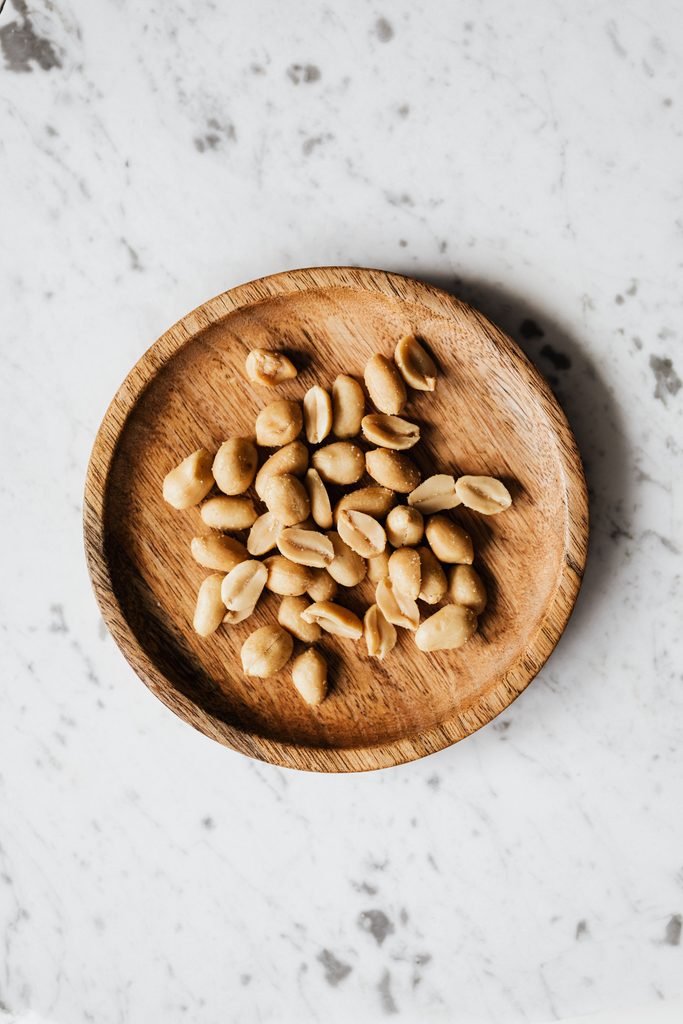
Yes. Hamsters can eat plain, unsalted peanuts in small amounts occasionally. Peanuts are not a necessary part of the diet, and nuts are high in fat, so they make more sense as an occasional treat than a regular food.
The important part is keeping the peanut plain. Skip salted, honey-roasted, candied, chocolate-covered, or heavily flavored versions.
Are peanuts safe for hamsters?
Plain peanuts can be offered occasionally.
Vet-reviewed hamster guidance specifically identifies plain peanuts as suitable in moderation, provided they do not contain added salt, sugar, oil, or flavorings. Woodgreen Pets Charity also allows plain unsalted nuts in very small amounts and notes that nuts are high in fat, so they should not be given regularly.
That gives us a practical answer without needing to turn peanuts into a “healthy fat and protein” supplement.
Your hamster does not need peanuts for protein, vitamins, or minerals if its staple diet is already nutritionally appropriate.
For the broader feeding framework, see what hamsters can eat.
How much peanut can a hamster eat?
Keep it very small and occasional.
I would not use a rigid rule such as:
- one peanut a week for a Syrian
- half a peanut for a dwarf
- exactly once weekly for every hamster
Some vet-reviewed sources do suggest one peanut around once a week, but higher-level hamster guidance such as Woodgreen stays with the more cautious wording of very small amounts occasionally.
There is no need to create more precision than the evidence gives us.
Peanuts should also remain an extra rather than replacing nutritionally complete hamster food. The Merck Veterinary Manual recommends a complete, balanced pelleted diet formulated for hamsters as the dietary foundation.
What kind of peanuts can hamsters eat?
Choose the simplest possible version: plain and unsalted.
Avoid peanuts with:
- added salt
- honey or sugar coatings
- chocolate
- spices or flavor powders
- other ingredients that are not appropriate for hamsters
You do not need to search specifically for a product marketed for hamsters. A plain peanut with a simple ingredient list is easier to assess than a flavored snack product.
I would also avoid treating “raw” or “dry-roasted” as an important nutritional distinction unless other ingredients have been added. The main practical question is what is actually on the peanut.
Can hamsters eat peanut shells?
I would remove the shell.
This is one area where pet-care sources do not give completely consistent advice. Some vet-reviewed guidance says peanuts can be offered in the shell, while other hamster feeding guidance recommends shelled peanuts instead.
Because the hamster gets no necessary nutritional benefit from the shell, there is little reason to make the more permissive recommendation.
A plain, shelled peanut is the simpler choice.
This is a conservative serving decision, not a claim that every peanut shell is toxic.
Why should peanuts be limited?
The strongest reason is straightforward: nuts are high in fat.
Woodgreen specifically uses this as the reason nuts should be offered only occasionally. That is enough. There is no need to add unsupported consequences such as saying peanuts will cause a greasy coat, digestive illness, fatty liver, or a shorter lifespan in a pet hamster.
High-fat extras can also make it easier for a hamster to fill up on treats instead of eating its balanced staple food.
Peanuts therefore work better as a small optional extra than something added to the daily diet.
Can dwarf hamsters eat peanuts?
There is no good reason to invent a separate peanut formula for every hamster species.
I would not automatically prescribe half a peanut for Campbell’s, Winter White, or Roborovski hamsters while giving a whole peanut to Syrians. I also would not justify that rule with the blanket statement that all dwarf hamsters are prone to diabetes or weight problems.
The general principle is enough: keep peanuts very small and occasional for any hamster.
If your individual hamster has obesity, diagnosed diabetes, or another medical condition that requires dietary management, follow advice from a hamster-experienced veterinarian.
Are salted peanuts safe for hamsters?
Skip them.
Hamster feeding guidance consistently favors plain, unsalted nuts. Salted snack peanuts also often come with oils, flavorings, or coatings that make them even less useful as a hamster treat.
There is no reason to try to calculate how much added salt would be acceptable when an unsalted peanut is readily available.
What about honey-roasted or flavored peanuts?
Skip those too.
Honey-roasted, candied, barbecue-flavored, spicy, chocolate-coated, and similar peanuts contain ingredients beyond the peanut itself.
A plain peanut gives you the same food without the added sugar, salt, seasoning, or coatings.
If you are checking a packaged product, read the ingredient list rather than relying only on the name on the front.
Are peanuts better than other hamster treats?
Not necessarily.
A peanut is simply one optional treat. It does not need to be ranked against vegetables as a source of protein, vitamins, or “healthy fats.”
If you want more variety, foods with direct hamster-specific guidance include vegetables such as green beans, cucumber, broccoli, peas, cauliflower, and spinach. See safe vegetables for hamsters for more options.
The staple diet still matters more than choosing the perfect treat.
What about peanut butter?
Peanut butter is a different feeding question because texture and added ingredients vary considerably between products.
Do not assume that a recommendation for a plain peanut automatically applies to sweetened, salted, or flavored peanut butter.
If you are considering it specifically, see can hamsters eat peanut butter for the separate considerations.
What if my hamster eats several peanuts?
If they were plain peanuts, remove the remaining extras and return to the hamster’s normal diet rather than trying a home treatment.
Check the ingredients if the peanuts were salted, flavored, coated, or part of another food.
Contact a hamster-experienced veterinarian if your hamster develops significant lethargy, diarrhea, reduced appetite, weakness, breathing problems, or another notable change in normal behavior. PetMD’s current hamster care guidance includes diarrhea and loss of appetite among signs that warrant veterinary attention.
Frequently asked questions
Can hamsters eat unsalted peanuts?
Yes. Plain, unsalted peanuts can be offered in very small amounts occasionally.
Can hamsters eat roasted peanuts?
The more important question is whether anything has been added. Avoid roasted peanuts containing salt, oils, sugar, spices, or flavor coatings. A plain peanut is the simplest option.
Can dwarf hamsters eat peanuts?
A small amount of plain peanut can be an occasional treat. There is not enough reason to create a special weekly portion based solely on the hamster being classified as a dwarf.
Are peanuts nuts?
Botanically, peanuts are legumes rather than true nuts. That distinction does not materially change the feeding decision. They are still a high-fat food that should remain an occasional extra.
Bottom line
Hamsters can eat a small amount of plain, unsalted peanut occasionally.
Keep it simple: use a shelled peanut with no salt, sugar, chocolate, seasoning, or other coating. There is no need to prescribe exactly one peanut per week or halve an arbitrary serving for dwarf hamsters.
Peanuts are optional. Your hamster’s complete staple diet matters much more than whether peanuts ever appear on the menu.
Keep reading: What can hamsters eat? · Foods toxic to hamsters · Safe vegetables for hamsters
Hamster Corner provides general educational information about hamster care. It is not a substitute for professional veterinary advice. If your hamster develops signs of illness, contact a hamster-experienced veterinarian.