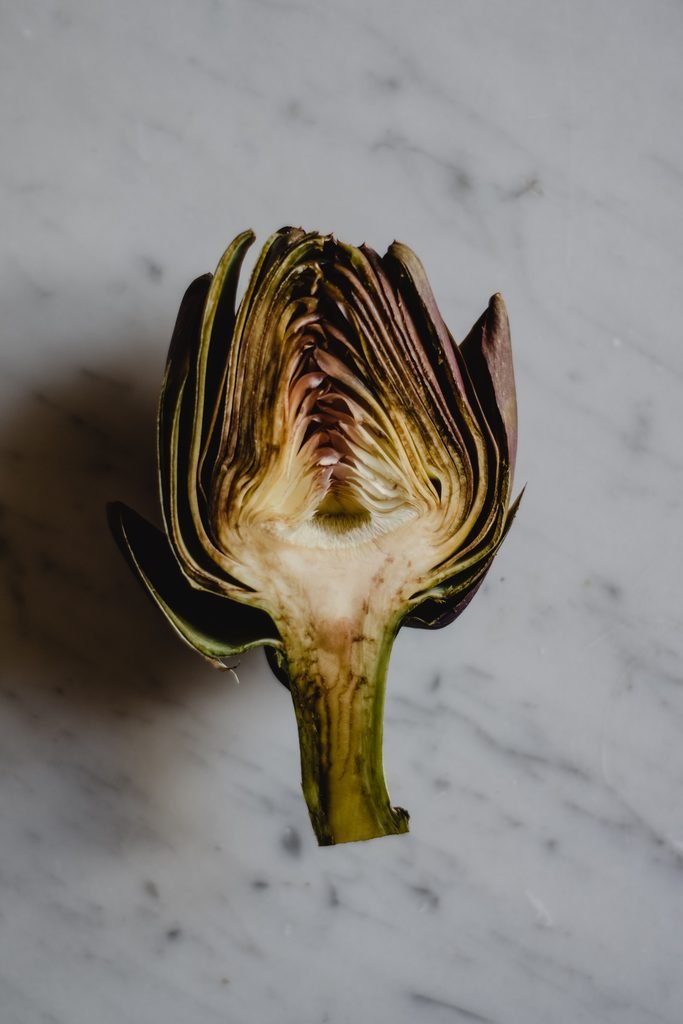
Yes. Hamsters can eat artichoke in small amounts. PDSA specifically lists artichoke among vegetables suitable for hamsters. What the available guidance does not establish is that only the heart is safe, that the outer leaves are dangerous, or that hamsters need a pea-sized serving once a week.
For the simplest serving, use a small amount of plain, washed artichoke. The tender heart is convenient, but there is no need to invent a toxicity or digestive warning for the other parts without evidence.
Is artichoke safe for hamsters?
Yes. Artichoke has unusually clear support compared with many less common vegetables.
PDSA directly includes artichoke in its list of suitable vegetables for hamsters, alongside asparagus, broccoli, cauliflower, peas and several other vegetables.
That means we do not need to rely on human nutrition data or argue that artichoke must be safe simply because it is low in sugar.
Artichoke should still be a small extra rather than a major part of the diet. The RSPCA recommends building a hamster’s diet around a balanced formulated food, with small quantities of fresh greens, vegetables and fruit alongside it.
For the broader framework, see what hamsters can eat and our safe vegetables for hamsters guide.
How much artichoke can a hamster eat?
There is no good artichoke-specific source supporting a pea-sized Syrian portion once a week or a smaller serving for dwarf hamsters.
So I would not present those numbers as safety limits.
Woodgreen gives a useful general guideline for fresh treats: portions can be kept roughly the size of the hamster’s ear and offered in moderation. That gives owners a practical sense of scale without pretending there is an experimentally established artichoke dose.
If artichoke is new to your hamster, start with a small amount rather than introducing a large serving at once.
Is only the artichoke heart safe?
I could not find authoritative hamster-specific guidance saying that only the heart is safe.
PDSA simply lists artichoke as a suitable vegetable. It does not restrict the recommendation to the heart or warn that the outer leaves are toxic.
That means the original claim that the leaves are “too fibrous and hard to chew” goes beyond the source.
The tender heart is still the easiest part to offer because it is simple to portion. If you want a conservative serving, use a small piece of the tender part and leave the tougher outer material out.
But that is a practical preparation choice, not evidence that the leaves are poisonous or inherently unsafe.
Should artichoke be raw or cooked?
I could not find hamster-specific guidance establishing that raw artichoke is better than cooked artichoke, or vice versa.
PDSA’s artichoke recommendation does not specify preparation.
So the important distinction is plain versus prepared with human-food ingredients, rather than raw versus cooked.
If you use cooked artichoke, keep it plain and let it cool before serving. Do not add salt, butter, oil, garlic, sauces or seasoning.
There is no need to claim that raw artichoke “keeps more nutrients” or that cooking makes it safer unless a source specifically supports that claim.
Can hamsters eat marinated or jarred artichokes?
Marinated artichokes are best skipped.
Woodgreen advises avoiding salty, sugary and seasoned human foods. Marinated artichokes commonly contain ingredients such as oil, salt, vinegar, herbs or garlic, which makes them unnecessarily complicated for a hamster.
However, jarred does not automatically mean unsafe. Some products may simply contain artichoke and water.
If you are dealing with a packaged product, check the actual ingredient list instead of assuming every jar is identical.
Plain fresh artichoke is the simplest choice.
Can dwarf hamsters eat artichoke?
Yes. PDSA does not restrict its artichoke recommendation to Syrian hamsters.
There is also no reason to market artichoke as especially good for dwarf hamsters because it is “low in sugar.”
PDSA specifically notes that Russian dwarf hamsters are particularly prone to diabetes, but that does not mean every dwarf species has an identical diabetes risk or needs a special low-sugar vegetable schedule.
Artichoke can simply be treated as one of the vegetables PDSA lists as suitable for hamsters generally.
If an individual hamster has diagnosed diabetes or another medical condition affecting its diet, follow its veterinarian’s feeding advice.
Can artichoke upset a hamster’s stomach?
Artichoke is not singled out by the hamster sources I found as a particular digestive hazard.
That means there is no good basis for saying its fiber will cause loose stools or that the tougher parts will necessarily create digestive problems.
The broader advice is more useful. RSPCA recommends avoiding sudden dietary changes and stale food because these can upset a hamster’s stomach.
If your hamster develops moist droppings, soiled hindquarters, reduced appetite, significant weakness or another notable change, contact a veterinarian promptly. RSPCA specifically advises speaking to a vet immediately when eating decreases or droppings become moist.
Do not rely on a rule such as “wait more than a day” before seeking help.
Is artichoke worth feeding?
It is fine, but it is not necessary.
The advantage here is simply that artichoke has direct hamster-specific support from PDSA. That makes it a reasonable option if you already eat artichokes and want to share a small amount of the plain vegetable.
There is no need to buy it specifically for fiber, vitamins or a low-sugar diet.
A complete staple food remains far more important than any individual vegetable.
The bottom line
Yes, hamsters can eat artichoke in small amounts. PDSA specifically lists artichoke as a suitable hamster vegetable, so the basic verdict is well supported.
What is not well supported is the long list of extra rules often attached to it. I could not find evidence for a pea-sized weekly serving, a special smaller dwarf portion, or the claim that only the heart is safe because the outer leaves are too fibrous.
For a simple serving, wash the artichoke and offer a small amount of the tender plain portion. Avoid heavily seasoned or marinated preparations.
Artichoke is an optional fresh extra, not a fiber supplement, diabetes-friendly food or vegetable your hamster needs to stay healthy.
Keep reading: What can hamsters eat? | Safe vegetables for hamsters | Foods toxic to hamsters
Hamster Corner provides general educational information about hamster care. It is not a substitute for professional veterinary advice. If your hamster shows significant changes in appetite, stools, energy or behavior, contact a hamster-experienced veterinarian.