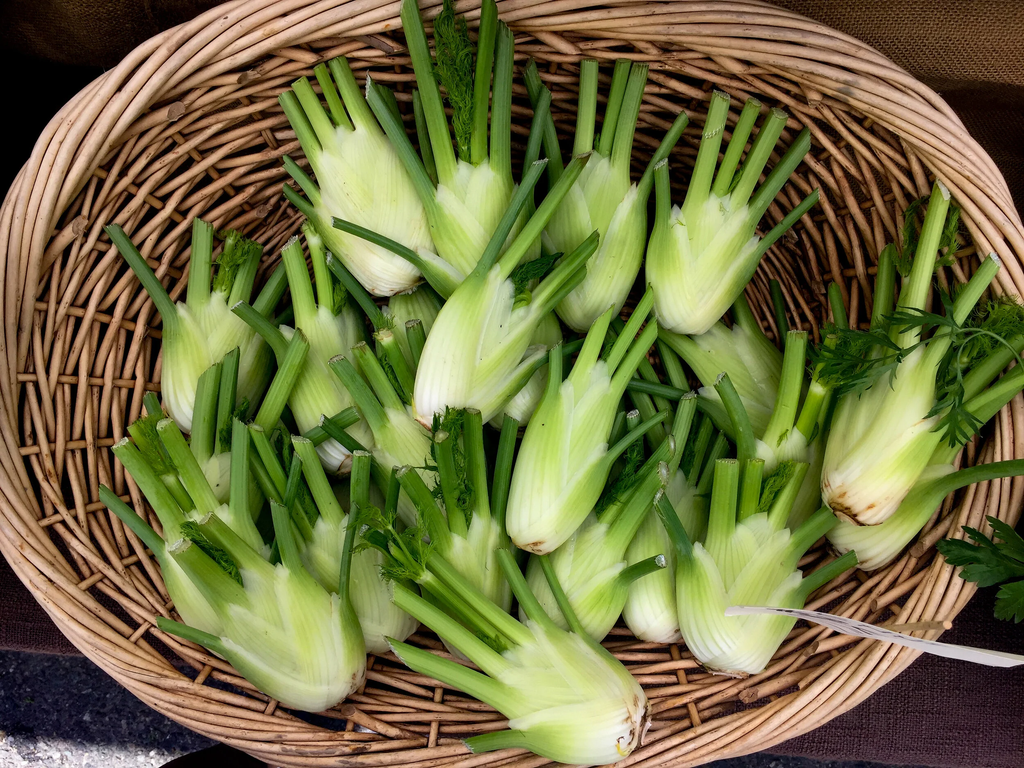
Hamsters can have a small amount of fresh fennel leaves or fronds. Fennel leaves are specifically included among fresh vegetables in at least one exotic-pet veterinary hamster care guide.
The answer becomes less certain when you move from the leafy fronds to the bulb, stalk, and seeds. Those parts are edible for people, but there is much less hamster-specific guidance confirming how they should be used.
Because fennel is optional rather than nutritionally necessary, the simplest approach is to stick with a small amount of fresh frond if you want your hamster to try it.
Is fennel safe for hamsters?
There is some direct support for fennel leaves as a hamster fresh food.
A hamster care sheet from Exotic Pets Overberg, an exotic-pet veterinary practice, specifically includes fennel leaves alongside vegetables such as butternut and courgette in the fresh-food portion of a hamster’s diet.
Broader hamster feeding guidance from Woodgreen Pets Charity and PetMD also supports offering small amounts of suitable fresh vegetables alongside a balanced staple diet.
What those stronger general sources do not do is specifically approve every part of the fennel plant.
So I would avoid turning:
“fennel leaves can be offered”
into:
“the bulb, stalk, fronds and seeds are all proven safe.”
Those are not the same claim.
Which part of fennel should you give a hamster?
If you want to offer fennel, the leafy fronds are the part with the clearest hamster-specific support.
| Part of fennel | My recommendation | Why |
|---|---|---|
| Fresh fronds/leaves | Okay in a small amount | Specifically included in hamster feeding guidance |
| Bulb | I would not make it a regular recommendation | Less direct hamster-specific guidance |
| Stalk | Better skipped | No particular benefit and little specific guidance |
| Seeds | Better skipped | Concentrated form and no need to add them |
| Fennel oil or extract | Do not offer | Concentrated product, not ordinary fresh food |
This is a more useful distinction than treating the whole plant as one ingredient.
How much fennel can a hamster eat?
There is no established veterinary serving size specifically for fennel.
The original article recommended a thumbnail-sized piece once or twice a week, but there is no good evidence for that exact measurement or schedule.
Woodgreen uses a general guideline of keeping hamster treats around the size of the hamster’s ear. That is a rough guide for treats overall, not a fennel-specific prescription.
For a first taste of fennel frond, I would simply offer a small piece.
A dwarf hamster naturally gets less than a Syrian because it is a smaller animal.
You also do not need to make fennel a scheduled weekly food. If your hamster already receives other suitable vegetables and treats, there is no nutritional reason to add fennel simply because another week has passed.
For the broader diet, see what hamsters can eat.
Can dwarf hamsters eat fennel?
A healthy dwarf hamster can have a small amount of fennel leaf or frond.
I would not justify that by saying fennel is a special “diabetes-friendly” food.
The original article grouped Roborovski, Winter White and Campbell’s hamsters together as diabetes-prone dwarfs. As we have seen with several other foods, that oversimplifies meaningful differences between species and individual animals.
Fennel’s relatively low sugar content does not automatically make it a better food, either. Sugar is only one part of evaluating a hamster’s diet.
The simpler guidance is enough:
- use a smaller piece for a smaller hamster
- keep fresh extras limited
- maintain a nutritionally complete staple diet
- follow veterinary advice if your hamster has diabetes or another medical condition
What about fennel bulb?
This is where I would be more cautious than the original article.
Fennel bulb is an ordinary edible vegetable for humans, and some hamster food lists include it. But the hamster-specific veterinary source I found explicitly mentions fennel leaves, not the bulb.
That does not prove the bulb is toxic.
It means we do not have a strong reason to upgrade it to a confidently recommended hamster food.
For Hamster Corner, I would rather say “evidence is limited” than turn human edibility into hamster feeding advice.
If you want to add a crunchy fresh vegetable, there are better-established options such as cucumber.
Can hamsters eat fennel seeds?
I would skip fennel seeds as a deliberate treat.
The original version said they should be avoided because their essential oils were “too concentrated for a hamster’s digestive system.”
That explanation goes further than the evidence.
Fennel seeds do contain aromatic compounds such as anethole, but studies of fennel extracts in other laboratory rodents do not translate neatly into a safe or unsafe serving for a pet hamster.
We do not need to settle that question to make a practical recommendation.
A hamster does not need fennel seeds, and the fresh fronds have clearer feeding support. Use the simpler option.
Can hamsters have fennel oil or extract?
No.
Fennel essential oil and concentrated extracts are fundamentally different from a piece of the fresh plant.
Do not:
- add fennel oil to drinking water
- put essential oil onto food
- apply it to a hamster’s fur
- use concentrated fennel products as a home remedy
The fact that a fresh herb can be eaten in a small amount does not make its concentrated oil an appropriate pet product.
If you are trying to treat a digestive, respiratory, or other health problem, contact a veterinarian rather than using herbal extracts.
Does fennel’s strong smell bother hamsters?
It may affect whether your hamster wants to eat it, but there is no need to turn that into a health warning.
Fennel has a distinctive anise-like aroma. One hamster may investigate it immediately while another may ignore it completely.
That is fine.
A food being safe does not mean your hamster has to like it.
If the frond is untouched, remove it later and offer something else another time. There is no reason to keep reintroducing fennel in an attempt to make your hamster eat it.
How to prepare fennel for a hamster
If you are offering the fronds:
- Use fresh fennel intended for human consumption.
- Wash it under running water.
- Remove any damaged or spoiled parts.
- Tear off a small piece of the leafy frond.
- Offer it plain.
- Remove uneaten fresh material later.
Do not add oil, butter, salt, dressing, sauce, or seasoning.
Fresh foods can also disappear into a hamster’s stash rather than its stomach. Check for moist food left in the enclosure so it does not spoil.
What if I grow fennel at home?
Home-grown fennel can be useful only if you know exactly what the plant is and how it has been treated.
Do not use plants exposed to:
- pesticides
- herbicides
- slug pellets
- lawn chemicals
- unknown garden treatments
Also make sure you are actually looking at culinary fennel rather than identifying a plant by smell alone.
When in doubt, grocery-store culinary fennel is easier to verify.
What happens if a hamster eats too much fennel?
Do not assume fennel poisoning because your hamster ate more than intended.
Remove the remaining fresh food and return to the normal diet.
Any new fresh food can potentially coincide with digestive changes, especially if introduced in a large amount or alongside several other new foods.
Watch for significant changes such as:
- diarrhea or unusually soft droppings
- reduced appetite
- unusual lethargy
- another clear change from normal behavior
If diarrhea persists, your hamster stops eating, becomes weak, or otherwise appears unwell, contact a veterinarian experienced with hamsters.
I would not recommend simply stopping fresh food for a week and waiting if the hamster is clearly sick. Digestive symptoms can have causes unrelated to fennel.
Is fennel actually worth feeding?
It is fine as optional variety, but it is not a particularly important hamster food.
That is an important distinction for this entire “Can hamsters eat X?” cluster.
Your hamster does not need to sample every vegetable that is technically edible.
A balanced staple diet plus a small variety of better-established fresh foods is enough.
If your hamster enjoys a little fennel frond, you can include it occasionally.
If it does not, nothing is missing from the diet.
Better-established fresh alternatives
If you would rather use a food with stronger hamster-specific feeding guidance, options include vegetables such as:
- cucumber
- broccoli
- peas
- spinach
- cauliflower
- green beans
- coriander
Woodgreen lists these among suitable hamster vegetables.
That does not make fennel leaves unsafe. It simply gives you alternatives when you do not want to rely on a food with relatively limited evidence.
See our safe vegetables for hamsters guide for the broader list.
The bottom line
Hamsters can have a small amount of fresh fennel leaf or frond. This is the part of the plant with the clearest hamster-specific support.
I would be more cautious about automatically recommending the bulb, stalk, or seeds because direct hamster feeding guidance for those parts is limited. That does not mean they have been proven toxic. It means there is no reason to make a stronger claim than the evidence supports.
There is also no evidence-based need for a thumbnail-sized serving or a fixed once-or-twice-a-week schedule.
Offer a small amount, introduce it sensibly, and keep fennel secondary to a nutritionally complete hamster diet.
Keep reading: What can hamsters eat? | Can hamsters eat cucumber? | Safe vegetables for hamsters | Foods toxic to hamsters
Hamster Corner provides general educational information about hamster care and nutrition. If your hamster develops persistent diarrhea, stops eating, or shows another significant health change, contact a veterinarian experienced with hamsters.