There is not enough hamster-specific feeding guidance for me to confidently recommend figs as a regular treat. Fresh fig flesh is not known as a classic hamster toxin, but major hamster-care sources such as Woodgreen Pets Charity and PetMD recommend other fruits instead and do not specifically include figs on their feeding lists.
That means I would not create an exact serving such as a pea-sized piece once a week.
If you want to give your hamster fruit, strawberry, blueberry, banana, apple, or pear are easier choices because they have clearer hamster-specific guidance.
If your hamster has already eaten a tiny piece of ripe fig, that does not automatically mean it has been poisoned. Remove the rest and monitor normally.
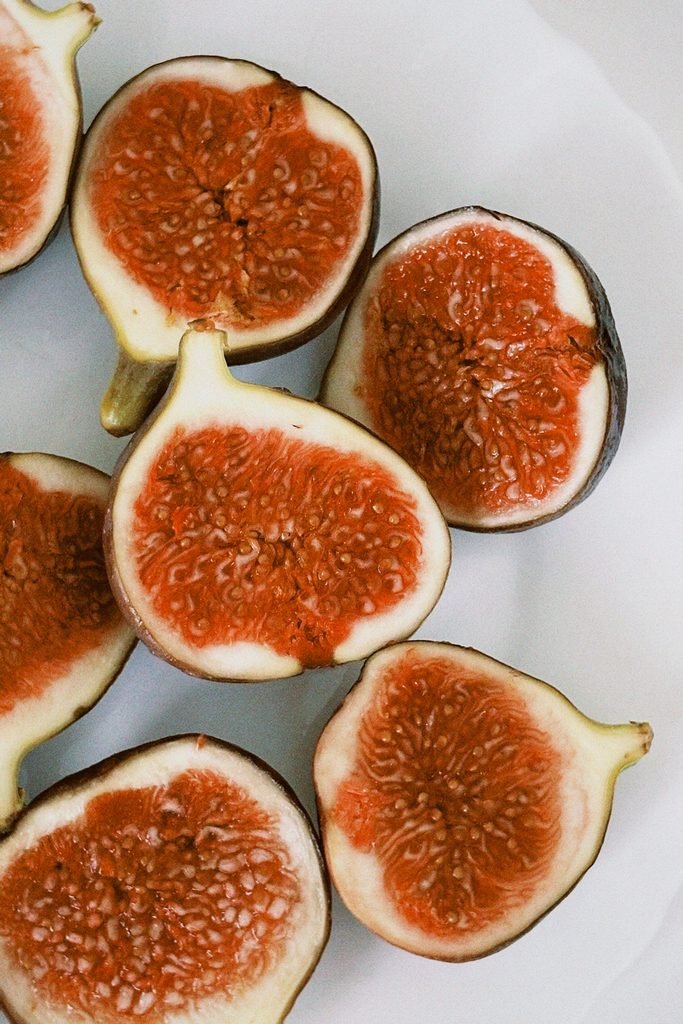
Are figs safe for hamsters?
The evidence is limited.
Woodgreen’s hamster feeding guide specifically lists small amounts of apple, pear, strawberry, blueberry, banana, and grape as suitable fruits. PetMD also allows limited amounts of fruit but does not specifically recommend figs.
Neither source identifies ripe fig flesh as a known hamster toxin.
So figs sit in an uncertain middle ground:
not established as toxic, but not well supported enough to deserve a confident feeding recommendation.
For an optional treat, there is little reason to push past that uncertainty.
See what hamsters can eat for foods with clearer guidance.
Why I would not give an exact fig serving
The original article recommended:
a pea-sized piece once a week for Syrians and half that every two weeks for dwarfs.
Those numbers sound useful, but I could not find veterinary evidence establishing them.
Woodgreen gives a general treat guideline of roughly the size of the hamster’s ear and recommends treats only occasionally. That does not create a fig-specific dose.
PetMD takes a similarly broad approach, keeping fruits, vegetables, grains, and treats limited relative to a nutritionally complete hamster food.
So there is no evidence-based reason to turn figs into a weekly schedule.
If a food has limited hamster-specific support, the better answer is not to invent an increasingly tiny serving until it becomes “safe.”
Choose another food instead.
Are figs high in sugar?
Figs contain substantial amounts of naturally occurring carbohydrates and sugars, but the exact composition varies with cultivar, ripeness, growing conditions, and whether the fruit is fresh or dried.
Scientific reviews also show that dried figs contain more concentrated sugars than fresh figs because much of the water has been removed.
That makes dried figs particularly easy to over-serve to a hamster.
But I would not build the entire recommendation around one number such as “16 grams of sugar per 100 grams.”
The more useful point is simpler:
figs are sweet fruit, and a hamster does not need them.
Can Syrian hamsters eat figs?
I would not make figs part of a Syrian hamster’s normal treat rotation.
That does not mean one tiny bite of ripe fig flesh is known to be poisonous.
It means there are already several fruits with clearer feeding guidance, so there is no particular benefit to experimenting with figs.
A Syrian hamster can get occasional fresh-food variety from better-established options without needing fig at all.
Can dwarf hamsters eat figs?
I would skip figs for dwarf hamsters too, but not because all dwarf hamsters are automatically diabetic.
The original article grouped Campbell’s, Winter White, and Roborovski hamsters together and described all three as genetically prone to diabetes.
That is too broad.
There are legitimate metabolic concerns in some dwarf hamster lines, particularly Campbell’s and some hybrids, but that does not justify claiming that every dwarf hamster will develop blood sugar problems after eating fruit.
The simpler reason to skip figs is enough:
a dwarf hamster is extremely small, figs are sweet and concentrated, and there is limited hamster-specific feeding guidance for them.
If your hamster has diagnosed diabetes or another condition affecting its diet, follow your veterinarian’s advice.
Can hamsters eat fig skin?
I would not deliberately serve the skin.
Ripe fig skin is eaten by humans, but research on Ficus carica shows that the fruit skin and other parts of the plant can contain compounds associated with the fig tree’s milky latex.
That does not prove ripe fig skin is poisonous to a hamster.
It does mean there is no reason to confidently tell owners that “skin and flesh are both safe” without hamster-specific evidence.
If a hamster accidentally consumes a tiny amount of ripe fig skin with the flesh, do not assume poisoning. For intentional feeding, however, I would simply choose a better-established fruit.
What about the tiny seeds inside a fig?
I would not tell owners to scrape the seeds out.
A ripe fig contains a very large number of tiny structures embedded throughout the flesh, so removing them individually is not realistic.
At the same time, I could not find hamster-specific research establishing that fig seeds are harmless in routine feeding.
This is another sign that figs are an awkward food to turn into a simple hamster recommendation.
PetMD gives a broad precaution against feeding fruit seeds and pits. That advice is primarily easy to follow with fruits such as apples and stone fruits, where the seeds or pits can actually be removed.
With figs, choosing another fruit is simpler than trying to separate the flesh from hundreds of tiny seeds.
Can hamsters eat dried figs?
I would skip dried figs.
Research comparing fresh and dried figs shows that drying substantially reduces water content and concentrates sugars and other components into a smaller amount of food.
For humans, that is not inherently a problem.
For a hamster, it makes portion control unnecessarily difficult.
Commercial dried figs may also be:
- sweetened
- coated
- preserved with additional ingredients
- incorporated into processed foods
There is no advantage over a tiny piece of a better-established fresh fruit.
Are fig bars or fig cookies okay?
No.
Fig Newton-style cookies, fig bars, pastries, jams, preserves, and similar products are human foods.
They may contain:
- added sugar
- flour
- oils or fats
- salt
- syrups
- preservatives
- flavorings
The presence of fig does not make the finished product appropriate for a hamster.
If you are sharing fresh food, use plain ingredients rather than processed snacks.
Can hamsters eat fig jam?
No.
Jam is a concentrated sweetened food and offers nothing useful to a hamster.
Even reduced-sugar or “natural” fig spreads are processed products rather than appropriate hamster treats.
Stick with the hamster’s normal food and suitable fresh extras.
Can hamsters eat fig leaves?
I would not offer fig leaves.
This part of the original article was directionally more defensible than its fruit-serving rules.
Research on Ficus carica shows that leaves and shoots can release a milky latex containing proteolytic enzymes such as ficin as well as furocoumarins. In people, contact with fig-tree sap can cause significant skin irritation and phytophotodermatitis.
That does not give us a precise toxicity dose for hamsters, but it gives us more than enough reason not to place fig leaves or fresh fig-tree cuttings in an enclosure.
Do not use fig leaves as forage simply because the ripe fruit is edible to people.
What about branches from a fig tree?
I would avoid those too.
A branch intended as a chew is very different from a ripe piece of fruit.
Fig-tree tissues can contain latex and biologically active plant compounds, particularly when cut or damaged.
There are plenty of better-established chew materials for hamsters, so fig branches are unnecessary.
What if my hamster already ate some fresh fig?
First, do not panic.
If a healthy hamster ate a tiny amount of ripe plain fig flesh, remove the remaining fruit and return to the normal diet.
Because ripe fig flesh is not established as a classic hamster poison, one accidental bite does not automatically require treating the situation like a poisoning.
Watch for significant changes such as:
- persistent diarrhea
- reduced appetite
- unusual lethargy
- swelling or irritation around the mouth
- another obvious change from normal behavior
Contact a veterinarian experienced with hamsters if your hamster ate a large amount, ate leaves or another part of the fig plant, consumed a processed fig product containing questionable ingredients, or becomes unwell.
See foods toxic to hamsters if you are checking another food your hamster may have eaten.
Does fig cause diabetes in dwarf hamsters?
We should not say that.
Eating one sugary food does not provide a simple cause-and-effect explanation for diabetes.
Diet, body condition, genetics, species or hybrid background, and the individual animal all matter.
Signs such as unusually high water intake, increased urination, and unexplained weight loss deserve veterinary attention, but seeing those signs after a fruit treat does not prove the fruit caused diabetes.
This is why I would remove statements such as:
“high-sugar foods trigger diabetes in dwarfs.”
They turn a complicated medical condition into an overly simple feeding rule.
Fresh fig vs. dried fig
If we were comparing the foods nutritionally, fresh fig contains considerably more water and dried fig is more concentrated.
But for hamster care, my answer is even simpler:
| Form | Recommendation |
|---|---|
| Fresh ripe fig | Not my preferred treat because hamster-specific guidance is limited |
| Dried fig | Skip |
| Fig jam | Skip |
| Fig bars or cookies | Skip |
| Fig leaves | Avoid |
| Fig branches | Avoid |
You do not need to calculate which form is marginally better.
There are easier foods available.
What fruit should you give instead?
Woodgreen specifically lists small amounts of:
- apple with the seeds removed
- pear
- strawberry
- blueberry
- banana
Those foods have a clearer place in hamster feeding guidance.
You can also skip fruit and use suitable vegetables. See our safe vegetables for hamsters guide for more options.
The goal is not to find a substitute that tastes most like fig.
It is simply to choose a food with better evidence.
Do hamsters need fruit?
No particular fruit is essential.
A nutritionally complete hamster food should provide the foundation of the diet. Appropriate fresh vegetables, herbs, occasional fruit, and other extras can add variety and enrichment around that base.
Your hamster does not lose anything important by never eating a fig.
That is worth remembering with unusual foods.
“Not proven toxic” does not automatically mean “worth feeding.”
The bottom line
I would not make figs a regular hamster treat because hamster-specific feeding guidance is limited.
Ripe fig flesh is not known as a classic hamster toxin, so a tiny accidental bite does not automatically mean your hamster has been poisoned. But there is no evidence-based pea-sized serving, weekly schedule, or dwarf-specific fig allowance.
Dried figs and processed fig products are even easier to skip because they are more concentrated or contain additional ingredients.
I would also keep fig leaves, branches, and fresh plant sap out of the enclosure because Ficus carica latex contains irritating and biologically active compounds.
For intentional treats, choose fruits and vegetables with clearer hamster-specific guidance instead.
Keep reading: What can hamsters eat? | Can hamsters eat strawberries? | Safe vegetables for hamsters | Foods toxic to hamsters
Hamster Corner provides general educational information about hamster care and nutrition. If your hamster eats a questionable food or develops persistent diarrhea, loss of appetite, lethargy, or another significant health change, contact a veterinarian experienced with hamsters.