Hamsters can eat some foods that humans eat, but “plain” does not automatically mean safe. The easiest foods to share are simple ingredients that already appear in reputable hamster feeding guidance, such as cucumber, broccoli, green beans, small pieces of certain fruits, plain oats, boiled egg, and plain cooked chicken.
Mixed dishes are much harder. Once a food contains sauces, salt, sugar, spices, chocolate, garlic, onion, or several ingredients you have to research individually, it is usually easier to leave it out of the enclosure.
A complete hamster food should still provide the foundation of the diet. Human food is optional variety, not something you need to add at every meal.
The quickest way to decide if you can share your food
Before giving a hamster something from your kitchen, ask four questions:
- Is the ingredient itself recommended for hamsters?
- Is it still plain, or has it been seasoned or mixed with other foods?
- Is it a small extra rather than replacing the hamster’s normal food?
- Can I remove any fresh leftovers before they spoil?
If you cannot confidently answer the first two questions, skip the food until you can check it.
That is safer than using a rule such as:
If it is natural and unprocessed, it is probably safe.
Plenty of natural foods are still inappropriate for hamsters.
Human foods that are easiest to share
The foods below have relatively clear support from hamster-care sources when served plain and in small amounts.
| Food | Can you share it? | What to know |
|---|---|---|
| Cucumber | Yes | Fresh, washed, small piece |
| Broccoli | Yes | Plain, small amount |
| Green beans | Yes | Woodgreen allows raw or lightly cooked |
| Peas | Yes | Small amount |
| Spinach | Yes | Part of fresh-food variety |
| Carrot | Yes | Small amount rather than a large chunk |
| Strawberry | Yes | Occasional fruit |
| Blueberry | Yes | Occasional fruit |
| Banana | Yes | Small occasional piece |
| Apple | Yes | Remove the seeds |
| Pear | Yes | Small occasional piece |
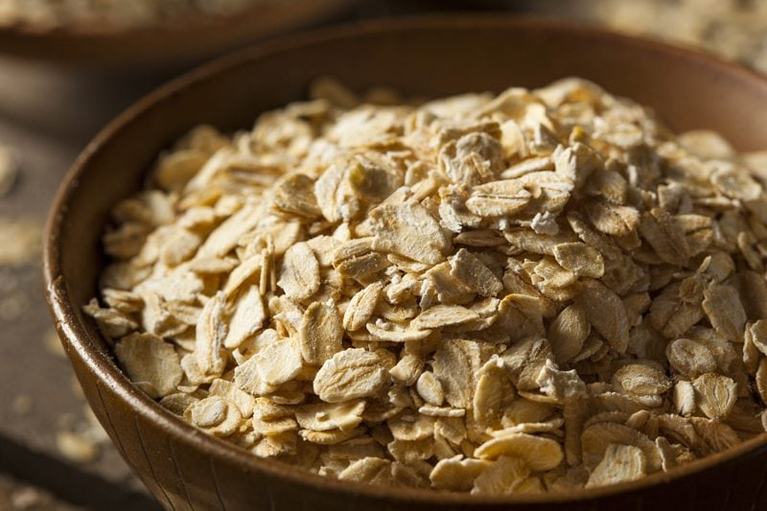
| Plain oats | Yes | A few plain oats are enough |
| Plain pasta | Yes | Woodgreen allows cooked or raw pasta in small amounts |
| Boiled egg | Yes | Small amount occasionally |
| Plain cooked chicken | Yes | Unseasoned, small amount |
| Plain unsalted hazelnut or walnut | Yes | Small piece occasionally |
Woodgreen Pets Charity specifically recommends many of these types of vegetables, fruits, herbs, nuts, grains, boiled egg, and plain cooked chicken as extras alongside the main hamster diet.
The important word is plain after you have already confirmed that the ingredient itself is appropriate.
Plain does not turn an unsuitable ingredient into hamster food.
What should make up most of a hamster’s diet?
Not food from your plate.
Current guidance from Merck Veterinary Manual recommends a complete, balanced diet formulated specifically for hamsters. PetMD similarly recommends formulated hamster food as the main part of the diet.
Extras should remain limited.
Merck says treats such as fruit and vegetables should account for no more than about 10% of the overall diet. PetMD’s current dwarf hamster guidance uses the same 10% ceiling for grains, vegetables, fruits, hay, and treats combined.
You do not need to calculate every meal to the decimal point.
The practical takeaway is:
staple hamster food first, extras second.
For the complete feeding framework, see what hamsters can eat.
How big should a human-food treat be?
There is no universal pea-sized serving for every food.
A piece of cucumber, a hazelnut, and a piece of banana have very different nutritional profiles, so one measurement cannot meaningfully apply to all of them.
Blue Cross and Woodgreen use a more practical visual guide for fresh extras and treats: roughly around the size of the hamster’s ear.
That is still only a general guide.
A dwarf hamster naturally receives less than a Syrian because it is smaller, while energy-dense foods such as nuts may need an even smaller amount.
The goal is not to fill a separate human-food bowl every day.
Vegetables are usually the easiest foods to share
If you are cutting vegetables for yourself, this is often the simplest category.
Woodgreen lists vegetables including:
- broccoli
- carrot
- cabbage
- curly kale
- cucumber
- peas
- spinach
- Brussels sprouts
- cauliflower
- asparagus
- coriander
- green beans
PetMD also directly recommends options such as cucumber, colored peppers, leafy greens, broccoli, carrots, squash, and spinach.
Wash the vegetable and take out the hamster’s piece before you add butter, salt, dressing, garlic, sauce, or seasoning.
That one habit makes sharing kitchen food much easier.
See safe vegetables for hamsters for the broader list.
What about cooked vegetables?
Some vegetables can be served either raw or lightly cooked.
Woodgreen specifically says green beans, parsnip, asparagus, and cauliflower can be offered raw or cooked in small amounts.
The issue is usually not cooking itself.
It is what happens during cooking.
A plain steamed green bean is very different from a green bean cooked with:
- butter
- salt
- garlic
- onion
- cream sauce
- seasoning
If you want to share cooked vegetables, set aside a plain portion before preparing the rest of the meal for humans.
Which fruits can you share?
Fruit should be more occasional than vegetables.
Woodgreen specifically lists small pieces of:
- apple with the seeds removed
- pear
- strawberry
- blueberry
- banana
PetMD includes the same general group among safe fruit options.
Fruit contains naturally occurring carbohydrates, and too much can add unnecessary calories or contribute to gastrointestinal upset.
But you do not need to turn this into a blanket rule that every dwarf hamster must avoid fruit.
PetMD’s 2026 dwarf hamster guidance actually includes apple, pear, strawberry, banana, and blueberry among safe options when the overall amount remains limited.
Do dwarf hamsters need a different human-food list?
Not an entirely different one.
A dwarf hamster is much smaller than a Syrian, so portions naturally need to be smaller.
The original article also described Campbell’s, Winter White, and Roborovski hamsters collectively as diabetes-prone and treated almost every sweet food as a special dwarf hazard.
That is too broad.
Some dwarf lines deserve additional consideration around metabolic disease, but that does not make every dwarf hamster diabetic.
For a healthy dwarf hamster, focus on:
- a balanced staple diet
- modest extras
- appropriate portions
- body condition
- avoiding excessive sugary or fatty treats
If your hamster has diagnosed diabetes or another medical condition, follow its veterinarian’s dietary advice.
Can hamsters eat food from your dinner?
Usually, not once the meal has been assembled.
Consider a chicken dinner.
A tiny piece of plain cooked chicken may be fine.
Chicken cooked in:
- garlic butter
- teriyaki sauce
- barbecue sauce
- curry
- gravy
- seasoning rub
is no longer the same food.
The best approach is to take the hamster’s piece out before seasoning.
The same principle works with vegetables and other appropriate foods.
Can hamsters eat leftovers?
Only when the leftover is still a simple ingredient that you already know is suitable.
For example:
Reasonable: a small piece of plain steamed broccoli that was stored properly.
Skip: broccoli from a casserole covered in cheese sauce.
Reasonable: a tiny piece of plain cooked chicken set aside before seasoning.
Skip: chicken picked out of a heavily seasoned stir-fry.
You should not rinse sauce off a finished human dish and assume the ingredient has become plain again.
When in doubt, use fresh hamster food instead.
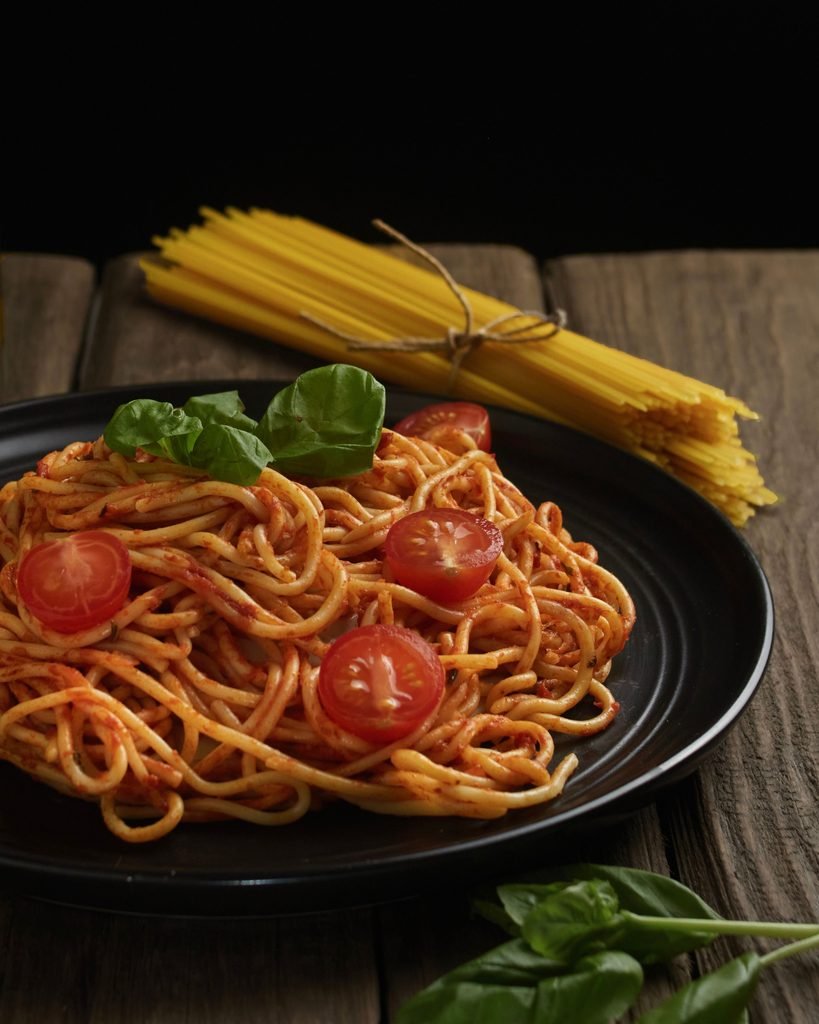
Can hamsters eat pasta?
Plain pasta is one of the slightly surprising human foods with direct support.
Woodgreen lists pasta, cooked or raw, among foods that can be offered in small amounts.
That does not mean your hamster needs spaghetti night.
Skip pasta containing:
- sauce
- salt
- cheese
- butter
- garlic
- seasoning
A tiny piece of plain pasta is an optional treat, not an important part of the diet.
Can hamsters eat oats?
Yes, plain oats are a much easier choice than breakfast cereal or granola.
Woodgreen recommends a few plain porridge oats as a simple hamster treat.
Use plain oats without:
- sugar
- honey
- flavor packets
- chocolate
- dried fruit
- salt
If your goal is to share an oat-based food, plain oats are much easier than trying to find hamster-safe granola.
Can hamsters eat meat?
Hamsters are omnivores.
Merck notes that wild Syrian hamsters eat vegetation, seeds, fruit, and meat. In captivity, however, they should receive a complete balanced diet.
Woodgreen specifically allows small amounts of plain cooked chicken or boiled egg as occasional protein-rich extras.
That does not mean hamsters need pieces of meat from every dinner.
Processed meats and seasoned meats should be skipped.
Can hamsters eat fish?
Fish is less straightforward than chicken or egg.
There is less direct hamster-specific guidance supporting ordinary cooked fish as a routine treat, so I would not add fish simply because hamsters are omnivores.
If you are specifically considering fish, see our detailed fish guide rather than treating every animal protein as interchangeable.
Chicken, boiled egg, and mealworms have clearer hamster-care guidance.
Can hamsters eat nuts?
Some plain nuts can be offered in very small amounts.
Woodgreen specifically names walnut and hazelnut, provided they are plain and unsalted.
Nuts are energy-dense, so a small piece is plenty.
Avoid turning nuts into another daily supplement just because they contain healthy fats or vitamins.
See the individual food guide if you are unsure about a particular nut rather than assuming all nuts are interchangeable.
What about dairy?
I would not make dairy a standard part of the human-food list.
A healthy hamster eating a complete diet does not need milk, cheese, yogurt, or other dairy products for calcium or protein.
Some older hamster food lists recommend tiny pieces of cheese, but dairy adds another nutritional variable without offering anything essential.
If you want a protein extra, plain cooked chicken or boiled egg has clearer current hamster-care support.
Can hamsters eat bread?
I would not put bread on the recommended list either.
Some hamster owners offer tiny pieces, but the stronger feeding sources we are using here give clearer support to foods such as plain oats, pasta, vegetables, fruit, chicken, and egg.
Bread can also vary enormously in:
- salt
- sugar
- seeds
- sweeteners
- preservatives
- flavorings
If you want to share a grain food, plain oats are simpler.
Processed foods are usually not worth checking ingredient by ingredient
This is where the original article became too permissive.
Foods such as:
- chips
- cookies
- crackers
- candy
- granola bars
- sweet breakfast cereal
- pastries
- deli meat
- fast food
- flavored yogurt
- sauces
- ready meals
are designed for human taste and nutrition.
Even when you can theoretically find a version without one particular problematic ingredient, your hamster gains nothing from the extra complexity.
PetMD broadly advises avoiding human foods other than appropriate fresh vegetables and some fruits.
That is a useful default.
Human foods to keep away from hamsters
There are several foods that reputable hamster-care sources specifically advise against.
PetMD and Woodgreen include foods such as:
- chocolate
- caffeine
- alcohol
- garlic
- onions
- citrus fruit
- raw beans
- potatoes
- bitter almonds or almonds depending on the guidance
- rhubarb
- sugary foods
- salty foods
- heavily seasoned foods
Woodgreen additionally lists aubergine, chives, leeks, tomato, and processed meats among foods to avoid.
There are some disagreements between reputable sources about individual foods, which is why the separate foods toxic to hamsters guide is the better place for detailed toxicology.
The important thing here is not to create one giant “poison list” where every bad treat is described as toxic.
Some foods are poisonous. Some are irritating. Some are nutritionally inappropriate. Some simply lack enough evidence.
Those are different categories.
Do not use the dog toxicity list for your hamster
This deserves its own rule.
A food known to poison dogs is not automatically proven to cause the same toxicity in hamsters.
Examples such as xylitol, macadamia nuts, grapes, and certain other foods are frequently copied from dog-safety articles into hamster lists without hamster-specific evidence.
That does not mean you should intentionally feed them.
It means you should avoid making unsupported statements such as:
“One bite will poison a hamster.”
Species metabolize compounds differently.
When hamster-specific evidence is unclear and the food is optional, the practical answer is usually to skip it without inventing a toxicology claim.
Why “no salt, no sugar” is too simple
The original guide used this filter:
no salt + no sugar + plain = safe
It sounds useful, but it can fail badly.
A food can be:
- natural
- unsalted
- unsweetened
- completely plain
and still be unsuitable for hamsters.
Conversely, a food containing naturally occurring sugar, such as a strawberry, can still be an appropriate occasional treat.
Safety depends first on what the ingredient is, then on preparation and portion.
Use this order:
Ingredient → preparation → portion → frequency
not:
Is it plain? → yes → feed it.
What if your hamster steals food from your plate?
First, identify the exact food and ingredients.
A tiny stolen piece of cucumber is very different from a bite of chocolate cake.
Do not automatically give milk, withhold food, force water, or try to make the hamster vomit.
Keep the packaging or recipe if possible and check:
- what was eaten
- approximately how much
- whether it contained a known problem ingredient
- whether your hamster is behaving normally
If the food contains a known hazardous ingredient, a large quantity was eaten, or your hamster develops significant symptoms, contact a veterinarian experienced with hamsters.
Fresh leftovers need special attention
Hamsters hoard food.
A cucumber piece that disappears from the bowl may be sitting underneath the bedding rather than inside the hamster.
RSPCA specifically warns that wet foods are harder to keep clean and can support mould or bacterial growth, while PetMD recommends removing uneaten fresh produce because it can spoil.
So when sharing a moist human food:
- give only a small amount
- check likely food stores later
- remove spoiled fresh food
- do not destroy the hamster’s entire dry-food hoard unnecessarily
This is one of the biggest practical differences between feeding a hamster and handing a treat to a dog.
A simple fridge test
If you are standing in the kitchen wondering what you can share, use this order:
Best choices:
Plain vegetables that reputable hamster sources specifically recommend.
Occasional:
Small amounts of approved fruit, plain oats, boiled egg, plain chicken, or certain plain nuts.
Usually skip:
Mixed meals, dairy, bread products, breakfast cereal, processed snacks, sauces, and anything with a long ingredient list.
Do not offer:
Foods specifically listed as unsafe by reputable hamster-care or veterinary guidance.
You do not need to find a hamster-safe version of everything you eat.
The bottom line
Hamsters can share some human foods, but the safest rule is not simply “plain food is safe.”
Start with ingredients that already have good hamster-specific guidance. Cucumber, broccoli, green beans, selected fruits, plain oats, boiled egg, plain cooked chicken, and small pieces of certain unsalted nuts are straightforward examples.
Keep the hamster’s nutritionally complete food as the foundation of the diet. Merck and PetMD recommend limiting extras to a small share of total feeding, while Blue Cross and Woodgreen use the hamster’s ear as a useful visual guide for individual fresh-food portions.
Mixed dishes and processed foods are usually not worth trying to modify for a hamster. If you have to rinse off sauce, decode ten ingredients, or search whether every additive is toxic, choose something simpler.
Keep reading: What can hamsters eat? | Foods toxic to hamsters | Safe vegetables for hamsters
Hamster Corner provides general educational information about hamster care and nutrition. If your hamster eats a potentially harmful food or develops a significant change in appetite, stool, activity, or behavior, contact a veterinarian experienced with hamsters.