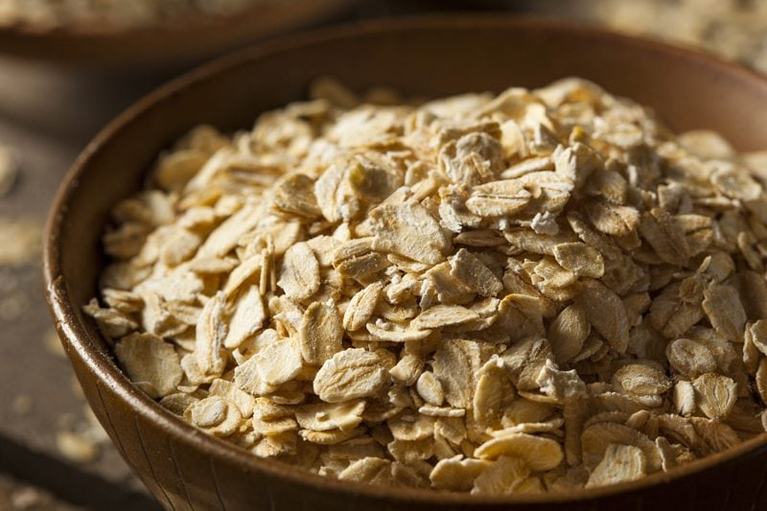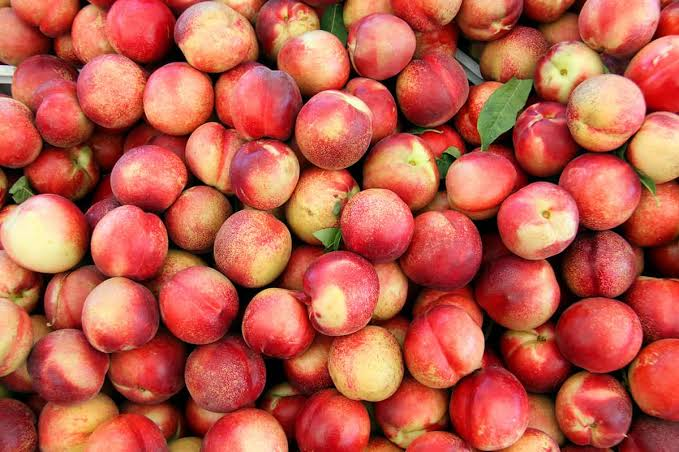
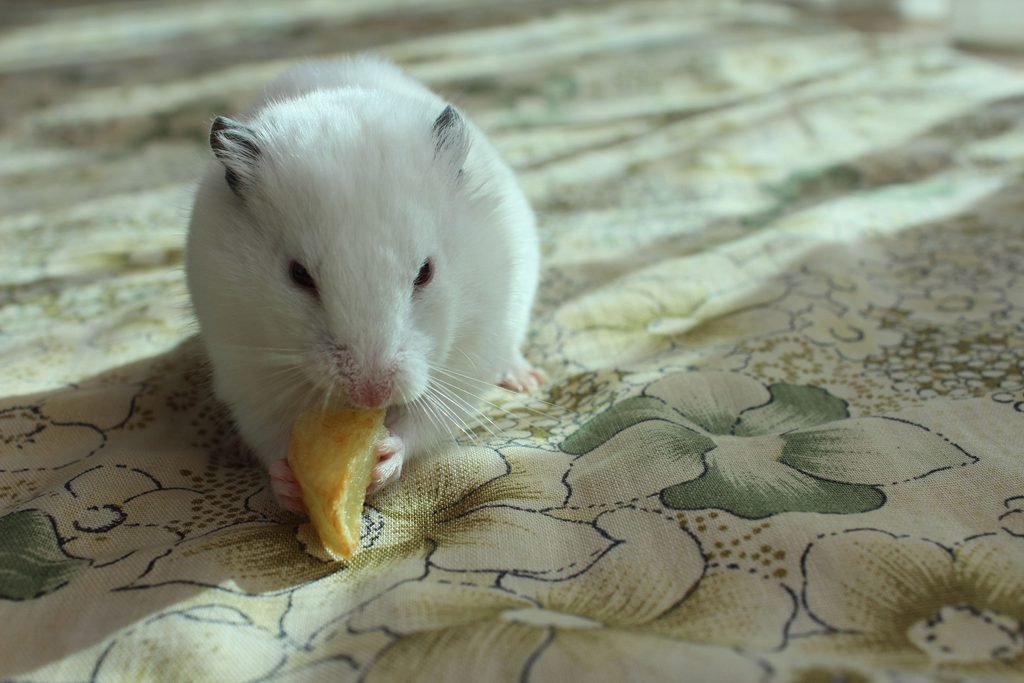
The best hamster diet starts with a good-quality, complete food formulated for hamsters, not a homemade percentage formula. Small amounts of suitable fresh foods can add variety and enrichment, while extra protein such as mealworms or boiled egg is optional if the main food already provides an appropriate protein source. Fresh, clean water should always be available.
There is also no universal rule that pellets are always better than seed mixes. Reputable sources disagree on this point, so the better question is whether the food is complete, appropriate for your hamster’s species and being eaten as intended.
What should make up most of a hamster’s diet?
A complete commercial hamster food should be the foundation.
The RSPCA recommends either a compound pellet ration or a mixture of seeds formulated to meet a hamster’s nutritional needs. Blue Cross similarly describes a commercial hamster mix as a good basis for the diet.
Woodgreen takes a slightly more detailed approach. It recommends complete dry mixtures containing grains, seeds, pulses and a protein source, with different mixes suited to different hamster species and life stages.
That is why I would not use the common internet formula that a hamster’s diet must be “80 to 90% pellets and 10% vegetables.” It sounds precise, but major hamster welfare organizations do not prescribe the diet that way.
For a broader look at individual foods, see what hamsters can eat.
Pellets or seed mix: which is actually better?
There is no completely consistent answer across reputable sources.
Veterinary sources such as Merck Veterinary Manual discuss pelleted diets as a suitable way to provide balanced nutrition. Pellets also reduce the opportunity for a hamster to pick out favorite ingredients while leaving the rest.
However, the RSPCA accepts either pellets or a properly formulated seed mixture, and Woodgreen recommends complete dry mixes that include seeds, grains, pulses and protein. Woodgreen also notes that Chinese, dwarf and Roborovski hamsters can do well with mixes containing more small seeds.
So I would not choose between pellets and seed mixes based on appearance alone.
Instead, ask:
- Is the food formulated specifically for hamsters?
- Is it appropriate for the species and life stage?
- Does it provide a complete diet rather than functioning as a treat mix?
- Is your hamster eating the full variety rather than consistently leaving major components behind?
- Does the product contain lots of sugary treats or unnecessary colorful extras?
If your hamster selectively eats only a few ingredients from a mix, that is a practical reason to reconsider the food.
Do hamsters need fresh vegetables?
Fresh vegetables can be part of a hamster’s diet, but they are extras rather than the nutritional foundation.
Blue Cross recommends very small portions of fresh food, roughly around the size of the hamster’s ear. Woodgreen also recommends small amounts of vegetables such as broccoli, cucumber, cabbage, kale, peas and green beans.
There is no need to create a rigid rule that vegetables must equal exactly 10% of the diet or must be served exactly two or three times every week.
Introduce unfamiliar fresh foods sensibly, avoid sudden major dietary changes and remove fresh leftovers before they spoil. Hamsters naturally hoard food, so check areas where soft vegetables may have been carried and stored.
Our safe vegetables for hamsters guide covers individual vegetables in more detail.
Does a hamster need extra protein?
Hamsters are omnivores and protein is part of a balanced hamster diet. That does not mean every hamster needs a separate protein supplement several times a week.
Woodgreen recommends choosing a complete dry food that already contains a protein source such as dried mealworms. If the staple food already provides an appropriate balanced diet, additional mealworms, chicken or egg should be treated as optional extras rather than something required to prevent a nutritional deficiency.
Woodgreen lists small amounts of boiled egg as an occasional option and fresh mealworms as another, particularly when mealworms are not already included in the main mix.
This distinction matters because statements such as “pellets do not provide enough protein” or “extra insects are essential for muscle and coat health” can make owners unnecessarily modify an already complete diet.
The staple food should do the nutritional heavy lifting.
What about fruit?
Fruit is optional.
Blue Cross specifically says Syrian hamsters can have small pieces of fruit as an occasional treat. Woodgreen also lists several fruits, including apple without the seeds, pear, strawberry, blueberry and banana, and recommends keeping treats small.
Fruit does not need to be added because a hamster requires vitamin C or another particular nutrient from it. A nutritionally complete staple diet should already cover the hamster’s essential nutritional requirements.
There is also no need to turn fruit into a fixed weekly schedule. Think of it as an occasional extra, not a required category of food.
Do dwarf hamsters need a different diet?
The basic principle remains the same: use a complete food suitable for the species, keep extras small and provide constant access to water.
However, it is worth being more precise about diabetes than many hamster guides are.
It is inaccurate to say that all dwarf hamsters are equally prone to diabetes. Campbell’s hamsters and some Campbell’s/Winter White hybrid lines have a stronger metabolic concern, while Roborovski hamsters should not automatically be given the same risk profile.
If you have a Campbell’s hamster, a suspected hybrid or a hamster already diagnosed with diabetes, be particularly conservative with sugary extras and follow advice from a hamster-experienced veterinarian.
That is different from saying that one piece of fruit “causes diabetes” or that every dwarf hamster must follow a universal zero-fruit diet.
How much dry food should a hamster eat?
This is one area where an authoritative welfare organization does provide practical numbers.
Woodgreen suggests approximately:
| Hamster | Approximate daily dry food guidance |
|---|---|
| Syrian | Around 10 g |
| Chinese, Campbell’s, Winter White and Roborovski | Around 5 to 8 g |
Treat these as general guidance rather than a universal prescription. Different foods have different densities and energy contents, and Blue Cross advises checking the instructions on the hamster food itself.
Hoarding also complicates feeding. A hamster can move food from its feeding area into a hidden store, so an empty bowl does not necessarily mean everything has been eaten.
Scatter-feeding some or all of the dry allowance can encourage natural foraging behavior.
Which foods should hamsters avoid?
This section is where hamster articles often become less reliable by attaching dramatic toxicity mechanisms borrowed from other species.
A better approach is to stick to foods specifically cautioned against by reputable hamster-care sources.
Woodgreen’s hamster guidance lists foods including apple seeds, aubergine, bitter almonds, citrus fruits, garlic, leeks, onions, potato and rhubarb among foods to avoid. It also recommends avoiding salty, sugary and seasoned human foods.
One particularly useful example is grapes. Woodgreen lists grapes among foods that can be offered, while the RSPCA cautions that grapes may be poisonous to rodents.
When reputable sources conflict like this, I would take the conservative option and skip grapes rather than pretending the evidence is clearer than it is.
See foods toxic to hamsters for a more detailed look at foods that should be avoided and the strength of evidence behind individual warnings.
What is the best way to give a hamster water?
Fresh, clean water must always be available.
A bottle is not the only acceptable setup. Blue Cross says hamsters can drink from either a water bottle or a small water bowl, while Woodgreen notes that many hamsters prefer bowls and that bottles can leak or be difficult to clean. The RSPCA recommends a suitable sipper bottle and stresses checking it regularly for leaks or blockages.
The practical priority is simple: your hamster must have reliable access to clean water every day.
Whichever system you use, clean it regularly and confirm that it is actually working.
A simple hamster feeding routine
You do not need a complicated percentage system.
Start with a complete hamster food appropriate for the species and follow the manufacturer’s feeding instructions, using reputable welfare guidance as a cross-check. Small amounts of suitable vegetables can add variety. Fruit and other treats stay occasional, while separate protein treats are unnecessary if the staple already provides adequate protein.
Check stored food regularly, particularly fresh items that can spoil, but avoid unnecessarily destroying a hamster’s entire dry food hoard.
Most importantly, watch the hamster rather than obsessing over a perfect formula. Changes in eating, drinking, body weight or droppings can matter more than whether Tuesday was supposed to be “vegetable day.”
Frequently asked questions
Can a hamster live on vegetables alone?
No. Fresh vegetables are extras, not a complete hamster diet. A hamster needs a properly balanced staple food that supplies the necessary nutrients.
Are pellets better than seed mixes?
Not automatically. Pellets can reduce selective feeding, but reputable hamster welfare organizations also accept properly formulated seed mixtures. Choose a complete product appropriate for the hamster’s species and monitor whether the hamster actually eats the full diet.
Do hamsters need mealworms?
Not necessarily as an extra. Hamsters need protein, but a complete dry diet may already include an appropriate protein source such as dried mealworms. Additional mealworms can be an occasional extra rather than a mandatory supplement.
How do I know whether my hamster is eating enough?
Monitor food intake together with body weight and normal behavior rather than judging only by an empty feeding dish. Hamsters naturally carry and store food elsewhere in their enclosure.
If your hamster begins eating less, develops moist droppings or has a soiled hindquarters, the RSPCA advises contacting a veterinarian promptly rather than waiting for the problem to resolve on its own.
The bottom line
The best hamster diet is simpler than many feeding charts make it sound: start with a complete, species-appropriate commercial hamster food, provide fresh water at all times and use suitable fresh foods as small extras.
You do not need an invented 80/10/10 ratio, mandatory protein days or a separate feeding formula for every piece of fruit and vegetable.
Choose a diet that is nutritionally complete, make changes gradually, pay attention to what your hamster actually eats and treat species-specific health concerns individually rather than applying broad rules to every hamster.
Keep reading: What can hamsters eat? | Safe vegetables for hamsters | Foods toxic to hamsters
Hamster Corner provides general educational information about hamster care. It is not a substitute for professional veterinary advice. If your hamster develops changes in appetite, droppings, drinking or behavior, contact a hamster-experienced veterinarian.