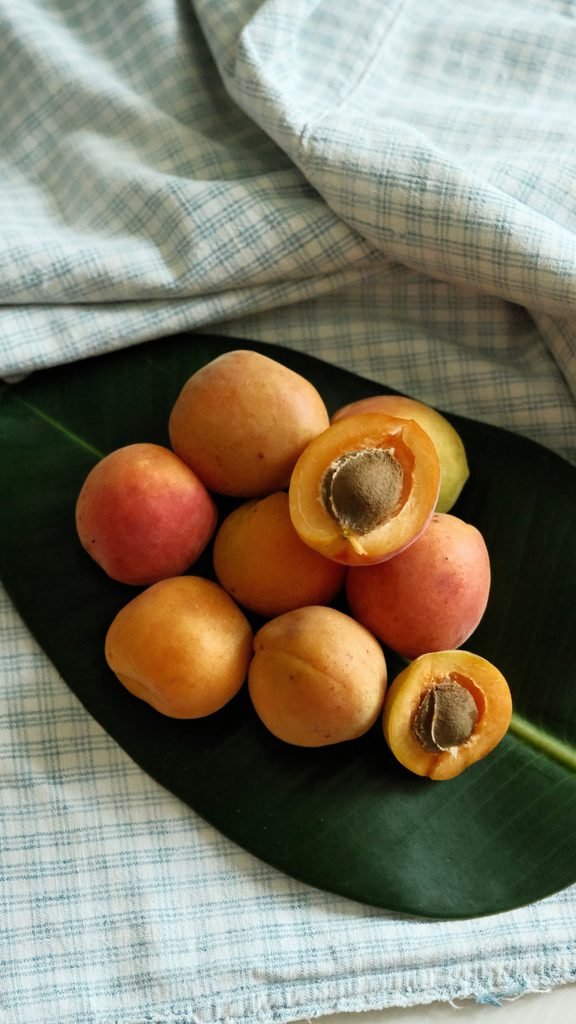
A small piece of fresh apricot flesh is probably low concern for a healthy hamster, but hamster-specific evidence is limited. Major hamster welfare guides recommend small amounts of certain fruits, but apricot is not one of the fruits I could verify from those sources.
The more important safety distinction is the stone. The kernel inside an apricot stone contains amygdalin, a cyanogenic compound, so the entire stone should be removed before the fruit goes anywhere near a hamster.
Are apricots safe for hamsters?
I would not describe apricot as a firmly established hamster-safe fruit.
Reputable hamster-care organizations do allow small amounts of fruit alongside a complete staple diet. The RSPCA, for example, recommends only small quantities of fruit and other fresh foods.
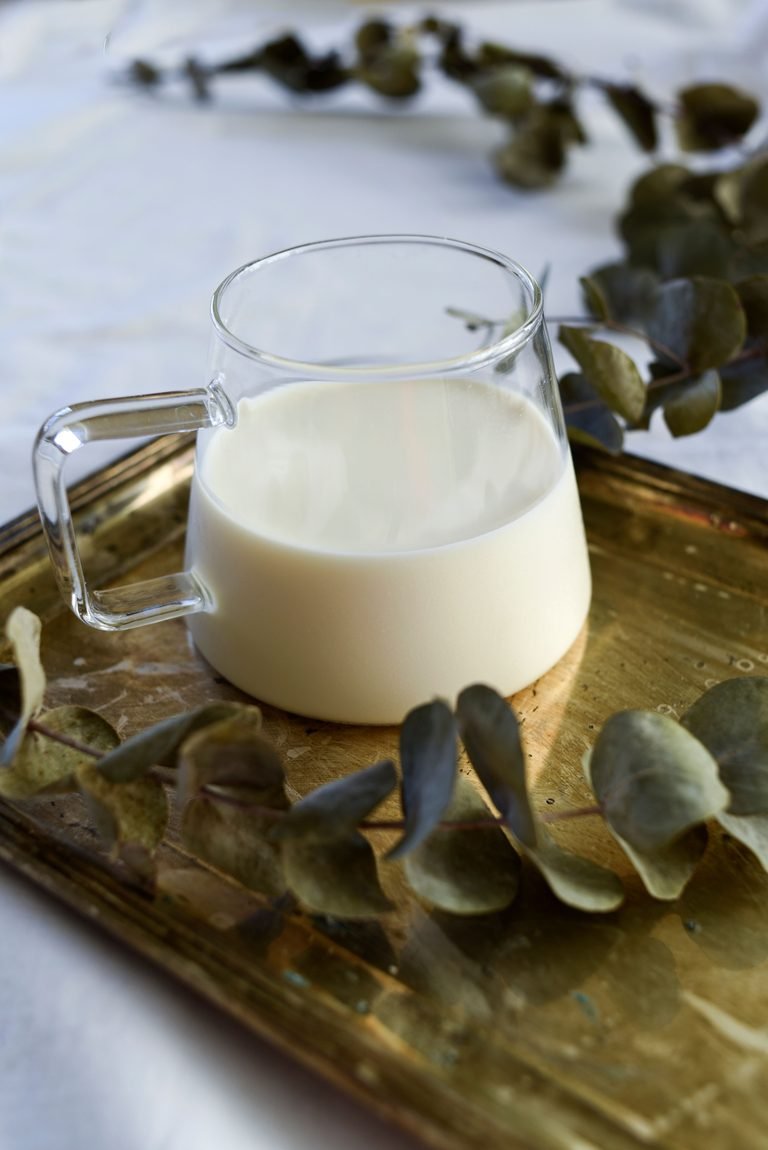
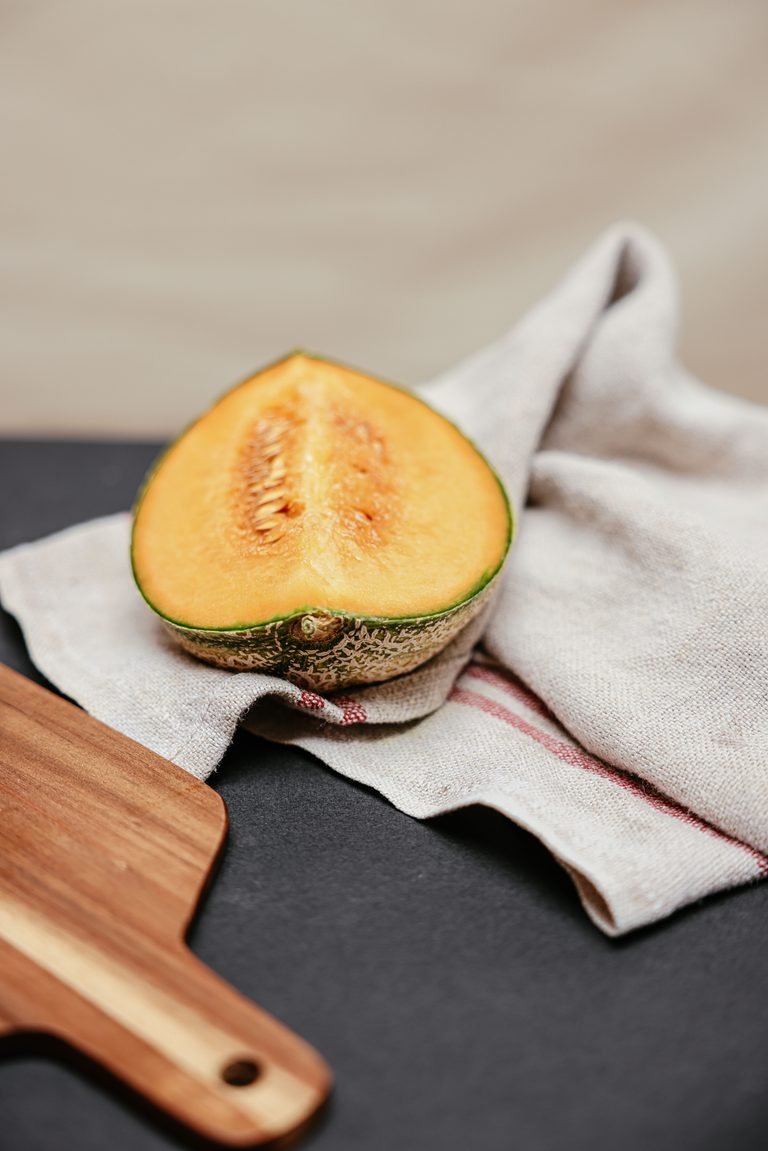
Other major welfare sources specifically name fruits such as apple, pear, banana, strawberry, blueberry, melon and peach.
Apricot, however, is not consistently included in the hamster-specific guidance I found.
That does not make the ripe flesh a known toxin. It means there is not enough direct evidence to justify statements such as “a pea-sized piece every Sunday is proven safe.”
For the broader feeding framework, see what hamsters can eat.
Why the apricot stone matters
This is the clearest safety issue with apricots.
The kernel inside an apricot stone contains amygdalin, a naturally occurring cyanogenic compound that can release cyanide after ingestion.
That hazard is established for apricot kernels, even though the available toxicology evidence is not specifically a pet-hamster feeding study.
For a simple conservative preparation, remove the entire stone before offering any flesh. Do not give the hamster the stone to chew and do not deliberately offer the kernel inside it.
This is more accurate than saying that ordinary apricot flesh “contains cyanide.”
How much apricot can a hamster eat?
There is no strong hamster-specific evidence establishing:
- a pea-sized serving
- a raisin-sized serving
- once a week
- once every two weeks
- half as much for a dwarf
Those numbers should not be presented as scientific limits.
If you decide to offer apricot despite the limited evidence, keep it to a small piece of plain ripe flesh as an occasional extra.
The complete hamster food should remain the foundation of the diet.
Is apricot too sugary for hamsters?
Apricot contains natural fruit sugars, but calling it one of the “highest-sugar fruits” is unnecessary and potentially misleading.
More importantly, sugar content alone does not tell us whether a particular food is suitable for hamsters.
Fruit in general is an optional extra. A hamster does not need apricot for vitamin A, fiber or any other specific nutrient if its staple diet is already nutritionally complete.
So there is no need to sell apricot as nutritious, and there is equally no need to make it sound unusually dangerous because it contains sugar.
Can dwarf hamsters eat apricot?
There is no evidence-based apricot portion specifically for dwarf hamsters.
It is also too broad to say that Roborovski, Winter White and Campbell’s hamsters are all equally “diabetes-prone” and therefore require the same fruit restrictions.
Some dwarf species and breeding lines warrant greater metabolic caution, particularly Campbell’s and some Campbell’s/Winter White hybrids. That does not establish a universal apricot rule for every hamster carrying the dwarf label.
Because apricot is optional and its hamster-specific evidence is limited anyway, there is no particular reason to make it part of a dwarf hamster’s diet.
If a hamster has diagnosed diabetes or another metabolic condition, follow dietary advice from a hamster-experienced veterinarian.
How should you prepare apricot?
If you choose to offer it:
- Use plain, ripe apricot flesh.
- Remove the entire stone before serving.
- Wash the fruit.
- Offer only a small piece.
- Do not add sugar, syrup or seasoning.
- Remove uneaten fresh fruit before it spoils in the enclosure.
There is no need for an elaborate preparation routine beyond keeping the kernel inaccessible and the serving small.
Can hamsters eat dried apricots?
I would skip them.
Dried fruit contains much less water than fresh fruit, so sugars and other nutrients are more concentrated by weight. Commercial dried apricots may also contain preservatives or other added ingredients depending on the product.
That does not mean every dried apricot is toxic to hamsters.
There is simply little reason to choose dried apricot when fresh apricot itself is already an optional, poorly established treat.
What about canned apricots?
Canned apricots vary.
Some are packed in syrup, some in juice and some may contain other added ingredients. Treating every canned product as identical is therefore inaccurate.
Again, the practical decision is easier than creating a complicated canned-apricot rule: use a better-supported fresh food instead.
What if my hamster ate apricot?
If your hamster ate a small amount of plain apricot flesh without the stone and is behaving normally, there is no evidence that this should automatically be treated as a poisoning emergency.
Remove the remaining fruit and monitor normal eating, activity and droppings.
The situation is different if the hamster chewed or swallowed part of the stone or kernel. Because apricot kernels contain cyanogenic compounds, contact a hamster-experienced veterinarian promptly for advice rather than waiting for symptoms to develop.
If the apricot came from a prepared or packaged product, keep the packaging and check the complete ingredient list.
Do not induce vomiting or use home remedies.
What fruits have clearer hamster guidance?
If you want to offer fruit occasionally, several alternatives have stronger hamster-specific support than apricot.
Depending on the welfare source, these include:
- apple with the seeds removed
- pear
- banana
- strawberry
- blueberry
- melon
- peach
They should still be offered as small extras rather than becoming a major part of the diet.
You can also use suitable vegetables instead. See safe vegetables for hamsters for more options.
The bottom line
A small amount of plain apricot flesh is probably low concern, but I would not call apricot a well-established hamster food.
Major hamster welfare sources support small amounts of fruit generally and name several specific fruits, but apricot is not one I could verify consistently from those guides.
The stone is the clearer concern. Apricot kernels contain amygdalin, which can release cyanide, so remove the entire stone and never let a hamster chew the kernel.
There is no evidence-based reason for a pea-sized weekly serving, a separate dwarf portion or claims that apricot’s sugar itself causes diabetes or digestive problems.
If you want the lowest-uncertainty choice, use one of the fruits that established hamster-care organizations specifically recommend.
Keep reading: What can hamsters eat? | Foods toxic to hamsters | Safe vegetables for hamsters
Hamster Corner provides general educational information about hamster care. It is not a substitute for professional veterinary advice. If your hamster eats an apricot stone or kernel, or develops a meaningful change in health or behavior, contact a hamster-experienced veterinarian promptly.