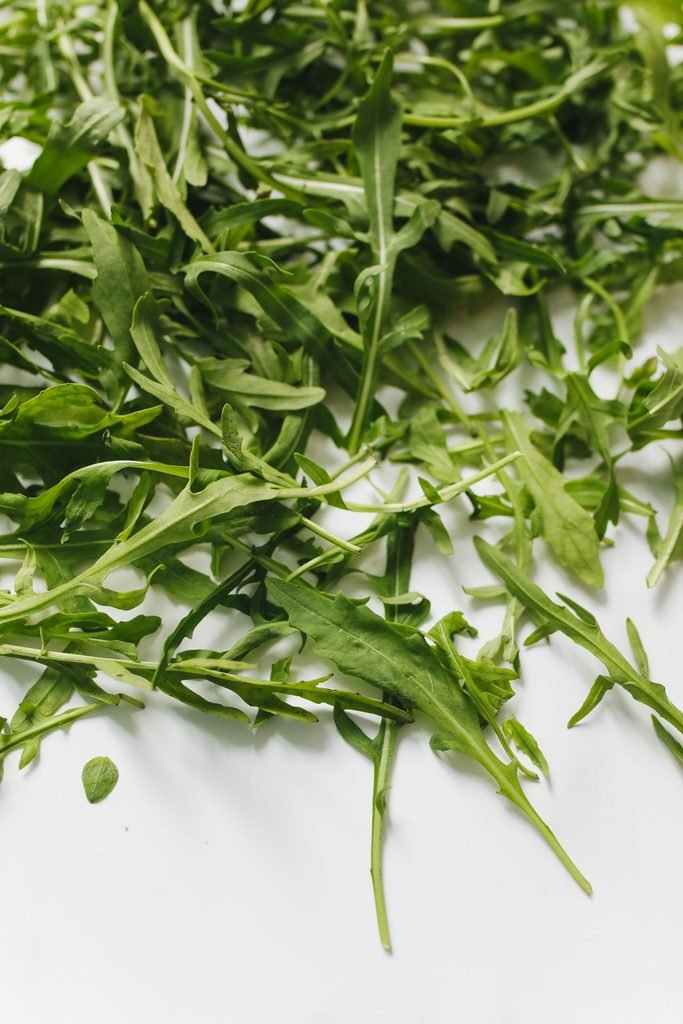
A small amount of plain arugula is probably low concern for a healthy hamster, but the hamster-specific evidence is weaker than it is for vegetables such as broccoli, cucumber or spinach. Vet-reviewed pet guidance says hamsters can eat arugula occasionally, while major welfare sources such as Woodgreen and the RSPCA do not specifically recommend it. Because your hamster does not need arugula, I would treat it as an optional food rather than a regular green.
Arugula is also called rocket, so you may see both names used on food lists. The important question is not whether it is low in sugar or high in a particular mineral. It is how much direct hamster feeding evidence actually exists.
Is arugula safe for hamsters?
The evidence is limited but generally reassuring.
A vet-reviewed PangoVet guide says hamsters can eat arugula in moderation.
However, I could not find arugula specifically listed in the hamster feeding guidance from stronger welfare sources such as Woodgreen Pets Charity or the RSPCA.
That distinction matters.
It would be too strong to say arugula is a thoroughly established hamster food based on the evidence available. At the same time, I found no good hamster-specific evidence identifying plain arugula as a toxin.
The most accurate verdict is therefore:
A small amount is probably low concern, but arugula is not specifically recommended by the stronger hamster welfare sources I found.
Should you actually feed your hamster arugula?
You do not need to.
This is where the decision becomes easier than trying to calculate calcium or sugar.
Woodgreen already lists vegetables with clearer hamster-specific guidance, including:
- Broccoli
- Carrot
- Cabbage
- Curly kale
- Cucumber
- Peas
- Spinach
- Brussels sprouts
- Cauliflower
- Asparagus
- Coriander
- Green beans
If you already have one of those available, there is little reason to choose arugula specifically.
That does not make arugula unsafe. It simply makes it unnecessary when better-supported alternatives exist.
For a broader list, see safe vegetables for hamsters.
How much arugula can a hamster eat?
I would remove the original rules of:
- one thumbnail-sized piece for a Syrian
- half that amount for a dwarf
- two or three times a week for Syrians
- once or twice a week for dwarfs
I could not find authoritative arugula-specific evidence supporting any of those measurements.
If you decide to try arugula despite the limited evidence, offer a small amount occasionally rather than turning it into a scheduled food.
Woodgreen gives a broader hamster treat guideline of roughly the size of the hamster’s ear once or twice a week, but that should not be presented as an arugula-specific safety dose.
The hamster’s complete dry food remains much more important nutritionally.
For the overall diet framework, see what hamsters can eat.
Is arugula too high in calcium for hamsters?
There is not enough evidence to support that warning.
Arugula contains calcium, but that fact alone does not establish that feeding it to a hamster causes bladder stones, urinary disease or “calcium buildup.”
The original article jumped from:
arugula contains calcium
to:
feeding arugula regularly can cause urinary problems in hamsters
without hamster-specific evidence connecting those two claims.
That is exactly the kind of nutrition-to-disease extrapolation worth avoiding.
If a hamster has a diagnosed urinary condition or has been prescribed a specific mineral-controlled diet, that becomes a veterinary question. For a healthy hamster, I would not invent a special arugula restriction based solely on calcium data from human food-composition tables.
Is arugula good because it is low in sugar?
Not necessarily.
Lower sugar content does not automatically make one vegetable better for hamsters than another.
A food still needs to be suitable for the species, and the strongest evidence comes from hamster-specific veterinary or welfare guidance rather than comparing nutrition labels.
So I would not promote arugula specifically as a “diabetes-friendly” vegetable.
The same applies to dwarf hamsters. There is no arugula-specific evidence showing that it provides a metabolic advantage over vegetables with clearer hamster feeding guidance.
Can dwarf hamsters eat arugula?
There is no good evidence supporting a separate arugula rule for dwarf hamsters.
The original article halved the Syrian serving simply because dwarf hamsters are smaller. That sounds logical, but it is still an invented serving rule unless a reliable source provides it.
There is also no reason to recommend arugula to dwarf hamsters specifically because it is low in sugar.
If you have a healthy dwarf hamster and choose to offer arugula, keep it to a small occasional amount just as you would for another hamster.
If your hamster has diagnosed diabetes or another medical condition, follow the diet recommended by your vet.
How should you prepare arugula?
If you choose to offer it:
- Use plain fresh arugula.
- Wash it thoroughly.
- Offer only a small amount.
- Do not use dressed salad containing oil, vinegar, salt, garlic, onion or other ingredients.
- Remove uneaten fresh food during your routine enclosure check.
The RSPCA recommends only small quantities of cleaned greens as extras alongside a balanced hamster diet.
There is no need to claim raw arugula preserves nutrients better or that it must be rotated specifically to prevent calcium accumulation.
Can arugula cause diarrhea?
Too much fresh food or a sudden dietary change can upset a hamster’s digestive system, but I would not say arugula causes diarrhea because it is “watery.”
The RSPCA advises avoiding sudden dietary changes and contacting a vet if a hamster’s droppings become moist or its hindquarters become soiled.
That is a much better-supported practical warning than inventing a water-content mechanism.
If your hamster develops persistent abnormal stools, reduced appetite, weakness, lethargy or another notable change after eating a new food, stop experimenting with that food and contact a hamster-experienced vet.
What if my hamster already ate arugula?
If your hamster ate a small amount of plain, washed arugula, there is no evidence here suggesting you should treat that as a poisoning emergency.
Remove any remaining excess and monitor your hamster normally.
If the arugula came from a prepared salad, check the other ingredients. Dressings containing onion, garlic or other ingredients need to be evaluated separately.
Seek veterinary help if your hamster develops significant symptoms rather than trying home treatments such as fasting or forcing water.
Better-supported alternatives to arugula
If your goal is simply to add a fresh green, I would choose one with clearer hamster-specific guidance.
Woodgreen directly lists spinach, curly kale, broccoli and coriander, among other vegetables.
That is ultimately why arugula ranks fairly low on my list. There is no compelling evidence that it is dangerous, but there is also no compelling reason to seek it out when better-documented choices are available.
The bottom line
A small amount of plain arugula is probably low concern for a healthy hamster, but hamster-specific evidence is limited.
Vet-reviewed secondary guidance says arugula can be offered occasionally, but major welfare guidance from Woodgreen and the RSPCA does not specifically recommend it.
There is also no good evidence for thumbnail-sized portions, separate Syrian and dwarf schedules, a calcium-related urinary risk or the claim that arugula is particularly useful because it is low in sugar.
If you already have arugula and want to offer a little, a small occasional amount is a reasonable conservative approach. If you are choosing vegetables specifically for your hamster, I would pick one with stronger hamster-specific guidance instead.
Keep reading: What can hamsters eat? | Safe vegetables for hamsters | Can hamsters eat spinach?
Hamster Corner provides general educational information about hamster care. It is not a substitute for professional veterinary advice. If your hamster becomes unwell after eating a new food, contact a hamster-experienced vet.