
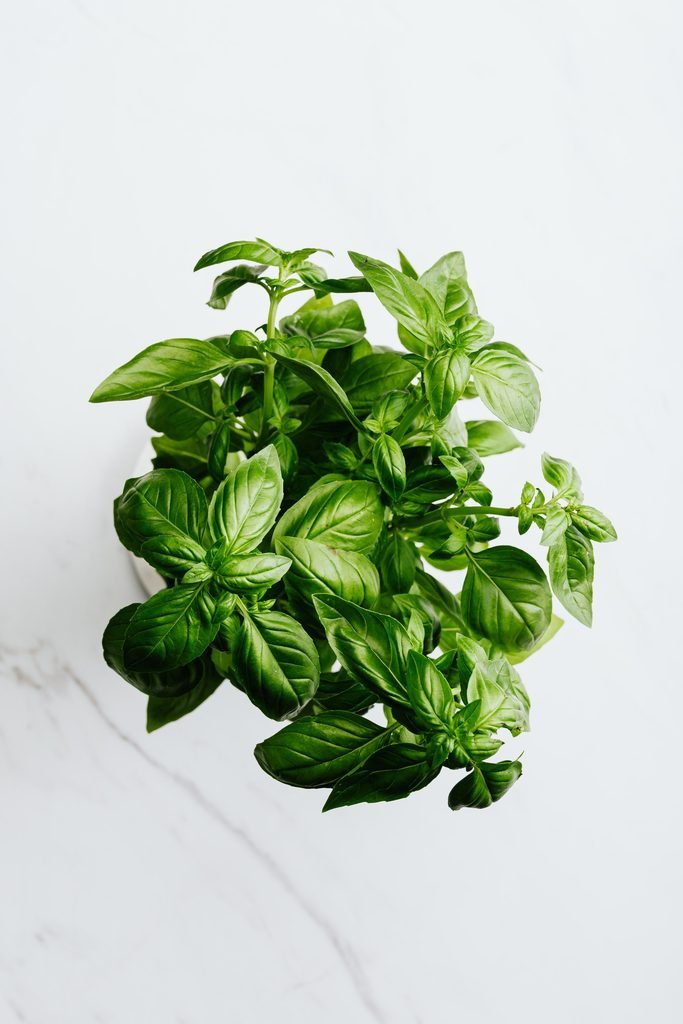
Yes. Hamsters can eat small amounts of plain basil. Woodgreen specifically lists basil among herbs that can be offered to hamsters, and importantly, its guidance allows these herbs fresh or dried.
There is no need to turn basil into a nutritional supplement or prescribe one leaf several times a week. It is simply one optional treat that can add variety alongside a complete hamster diet.
Is basil safe for hamsters?
Yes. Basil has direct support from a reputable hamster welfare source.
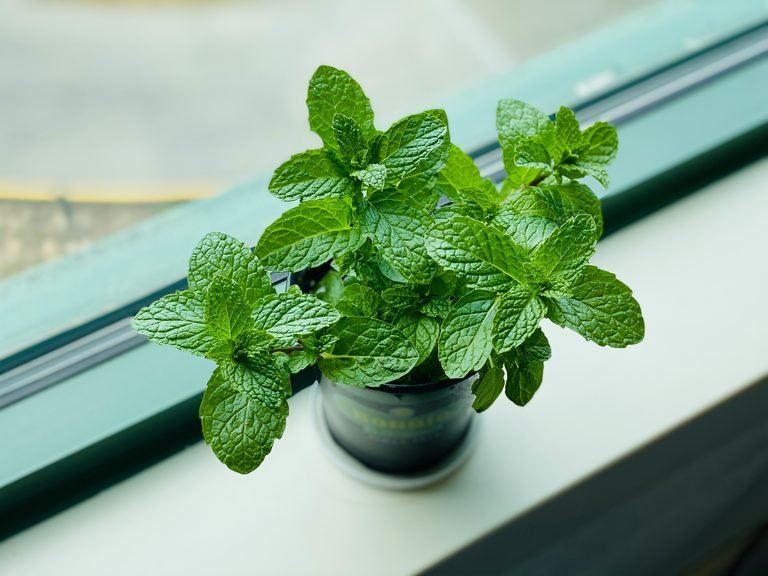
Woodgreen includes fresh or dried herbs such as basil, parsley, mint, oregano, lavender and dill among suitable hamster treats.
That is stronger evidence than reasoning that basil must be safe because it is low in sugar or contains certain vitamins.
Basil does not need to provide a particular nutritional benefit. A complete hamster food should already supply the essential nutrition, while herbs such as basil remain optional extras.
For the broader feeding framework, see what hamsters can eat.
How much basil can a hamster eat?
There is no basil-specific guideline saying:
- one whole leaf
- half a leaf for a dwarf
- two to three times a week for Syrians
- once a week for dwarfs
I would not present those numbers as established serving limits.
Woodgreen gives a broader practical guideline for hamster treats: keep them roughly around the size of the hamster’s ear and offer them once or twice a week.
That can be used as a general reference for basil without pretending there is an exact basil dose.
The important point is that basil remains a small extra rather than replacing part of the complete dry diet.
Fresh or dried basil?
Both can be used.
This is one place where the original advice that hamsters should have “fresh basil only” was unnecessarily restrictive.
Woodgreen specifically includes fresh or dried herbs, with basil among its examples.
For fresh basil:
- wash it before offering
- serve it plain
- avoid spoiled or slimy leaves
- remove uneaten fresh pieces before they deteriorate in the enclosure
For dried basil:
- use plain basil without salt, seasoning blends or other added ingredients
- keep the amount small
There is no good hamster-specific basis for claiming that dried basil becomes dangerous because its “oils are too concentrated.”
What about basil in pesto or cooked food?
This is different from plain basil.
Pesto and other prepared basil foods contain additional ingredients, commonly including oil, salt, cheese and sometimes garlic.
Hamsters do not need those additions, and Woodgreen recommends avoiding salty or seasoned human foods.
So the useful distinction is:
Plain basil: yes. Prepared basil dishes: skip them.
You do not need to declare olive oil or every pesto ingredient individually toxic to reach that recommendation.
Can dwarf hamsters eat basil?
Yes. I found no guidance restricting basil to Syrian hamsters.
There is also no reason to recommend basil specifically because it is “low sugar and therefore good for diabetes-prone dwarfs.”
Roborovski, Winter White and Campbell’s hamsters should not automatically be treated as having identical diabetes risk, and basil does not need a diabetes angle to be suitable.
Use the same general principle for any hamster: keep treats small and let a complete, species-appropriate dry food provide the nutritional foundation.
Does basil cause digestive problems?
I could not find good hamster-specific evidence showing that basil’s water content or aromatic oils cause loose stools when it is offered normally.
That claim should therefore not be presented as an established basil risk.
As with other dietary changes, avoid suddenly introducing large amounts of unfamiliar food.
If your hamster develops reduced appetite, moist droppings, significant lethargy or another meaningful health change, contact a hamster-experienced veterinarian rather than relying on a fixed home-treatment period.
Does basil have special health benefits for hamsters?
I would not market basil as a vitamin, antioxidant or digestive supplement.
Basil contains various nutrients and plant compounds, but showing that those compounds exist in basil is not the same as showing that feeding basil improves a pet hamster’s health.
A complete hamster food should already meet essential nutritional needs.
The reason to offer basil is much simpler: it is one of several herbs that Woodgreen specifically considers an appropriate small treat.
That is enough.
Is Thai basil safe for hamsters?
The hamster guidance I found simply refers to basil and does not provide separate recommendations for sweet basil, Thai basil or every other culinary variety.
I therefore would not claim that every basil variety has been individually established as safe for hamsters.
For the lowest-uncertainty choice, use ordinary plain culinary basil rather than experimenting with unusual plants simply because “basil” appears in their common name.
What if my hamster ate a lot of basil?
Plain basil is not listed as a hamster toxin in the guidance I found.
If your hamster ate more plain basil than intended and appears normal, remove the remaining herb and return to the normal complete diet. Monitor normal eating, activity and droppings.
If the basil came from pesto, sauce or another prepared food, check all the ingredients rather than focusing only on the basil.
Seek veterinary advice promptly if your hamster shows a meaningful change in appetite, droppings, activity or behavior.
What other herbs can hamsters eat?
Woodgreen also lists:
- parsley
- mint
- oregano
- lavender
- dill
These can provide alternatives if you want to rotate small treats rather than repeatedly offering the same herb.
There is no need to rank them according to vitamin C, oxalates or antioxidant content unless those differences are supported by hamster-specific evidence and actually change the feeding recommendation.
For more fresh-food options, see safe vegetables for hamsters.
The bottom line
Yes, hamsters can have small amounts of plain basil. Woodgreen specifically lists basil among suitable hamster herbs and says these herbs can be offered either fresh or dried.
What the evidence does not give us is a rule of one leaf two or three times a week, half a leaf for a dwarf, or a reason to promote basil for vitamins, antioxidants or diabetes management.
Use it as a small optional treat. Woodgreen’s general ear-sized treat guideline provides a reasonable practical reference, while a complete hamster food should continue to provide the essential nutrition.
Keep reading: What can hamsters eat? | Safe vegetables for hamsters | Foods toxic to hamsters
Hamster Corner provides general educational information about hamster care. It is not a substitute for professional veterinary advice. If your hamster develops reduced appetite, abnormal droppings or another meaningful change in health or behavior, contact a hamster-experienced veterinarian.
[…] reading: What can hamsters eat? | Can hamsters eat basil? | Safe vegetables for hamsters | Foods toxic to […]