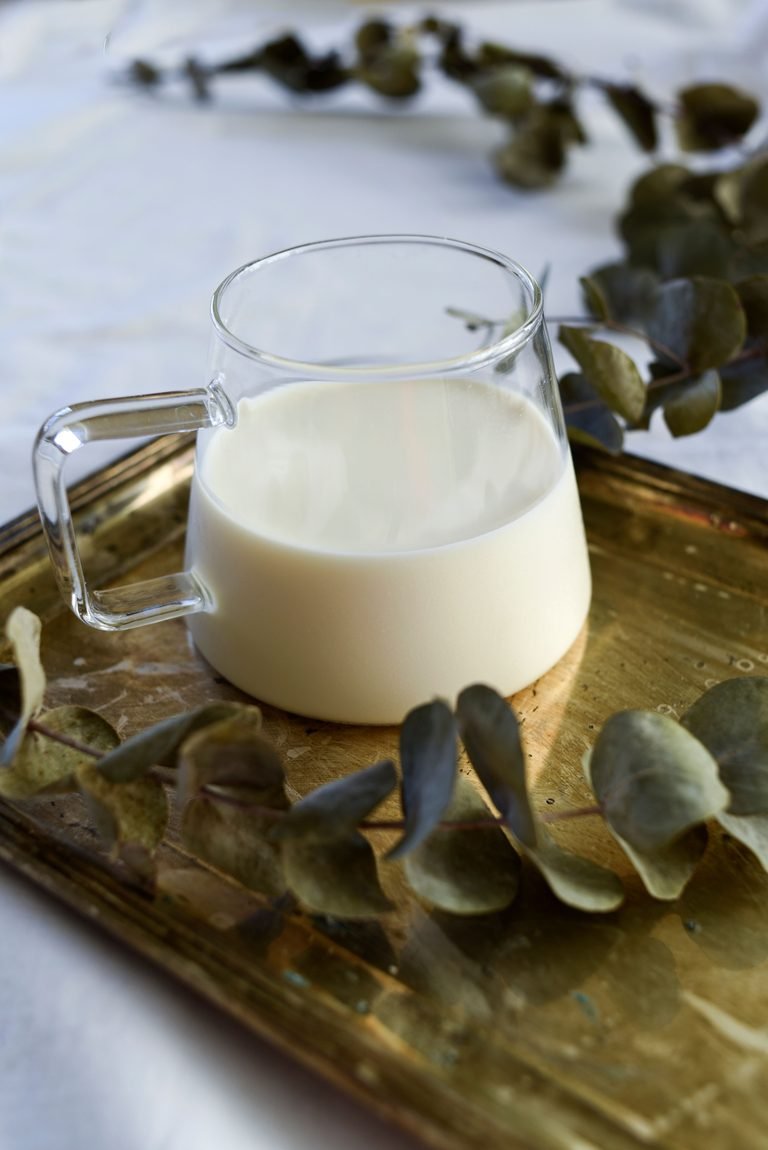
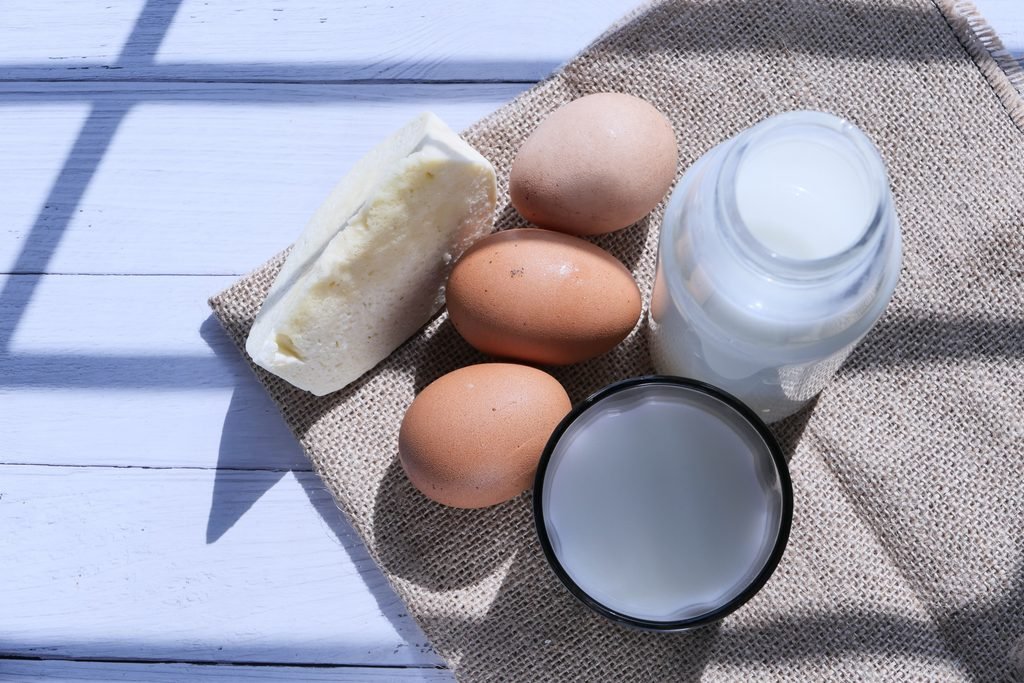
Some dairy products can be offered to hamsters in very small amounts, but dairy is optional and does not need to be part of a healthy hamster diet. Plain cottage cheese and several non-moldy cheeses have direct veterinary-reviewed support, while plain yogurt has weaker secondary veterinary support. Milk, cream, ice cream and similar products are better skipped because there is no good reason to use them as regular hamster foods.
One common explanation also needs correcting: it is too broad to say hamsters are lactose intolerant or unable to digest dairy. Research on adult golden hamsters found an unusual tolerance for lactose. That evidence does not prove every hamster species tolerates every dairy product equally, but it does mean lactose intolerance should not be treated as an established fact for hamsters.
Can hamsters eat dairy?
Some dairy, yes. Dairy as a food group, not automatically.
Different products have different ingredients, fat levels, preparation methods and evidence behind them. Treating “dairy” as one uniform food leads to misleading advice.
Here is a more useful breakdown:
| Dairy product | Recommendation | Evidence level |
|---|---|---|
| Plain cottage cheese | Small amount occasionally | Direct veterinary-reviewed cheese guidance |
| Plain non-moldy cheese | Small amount occasionally | Direct veterinary toxicologist guidance |
| Plain unsweetened yogurt | Probably acceptable in a very small amount | Vet-reviewed secondary guidance |
| Cow’s or goat’s milk | Skip as a routine drink | Unnecessary, little reason to offer |
| Blue and mold-ripened cheese | Avoid | Veterinary toxicologist specifically cautions against mold-ripened cheeses |
| Flavored dairy products | Usually skip | Ingredients vary and may include unsuitable additions |
| Ice cream | Skip | Processed sweet food with no nutritional role |
| Cream, butter and sour cream | Skip | Little hamster-specific reason to offer them |
The important distinction is supported, unnecessary and unsuitable, not simply “safe versus toxic.”
For the bigger picture on staple food and extras, see what hamsters can eat.
Are hamsters lactose intolerant?
The evidence does not support that as a blanket statement.
A published study titled Lactose ingestion in the adult golden hamster found that adult golden hamsters consumed surprisingly large amounts of lactose without noticeable adverse effects.
A later study of the hamster’s pregastric pouch found that removing this pouch reduced voluntary lactose consumption, supporting the idea that it plays a role in the hamster’s unusual handling of lactose.
This makes the usual explanation:
Hamsters are adult mammals, so they do not produce enough lactase and dairy causes diarrhea.
too simplistic.
There is an important limitation, though. These experiments involved golden hamsters. They do not establish identical lactose tolerance in Campbell’s, Winter White, Roborovski and Chinese hamsters.
So the responsible conclusion is:
Golden hamsters have demonstrated unusual lactose tolerance, but hamster-specific dairy evidence still varies by species and product.
Can hamsters eat cheese?
Yes, certain cheeses have relatively strong support.
A 2026 Chewy guide reviewed with an exotic veterinarian and veterinary toxicologist says hamsters can eat cheese in moderation.
It specifically lists several non-moldy cheeses, including:
- Cheddar
- Colby
- Swiss
- Monterey Jack
- Parmesan
- Cottage cheese
The same guidance recommends avoiding mold-ripened or problematic varieties such as blue cheese, Brie and Camembert, as well as cheeses containing ingredients such as garlic or onion.
Cheese still does not need to become a regular protein source. A complete hamster food should provide the nutrition that matters.
See can hamsters eat cheese for the cheese-specific details.
Can hamsters eat cottage cheese?
Yes. Cottage cheese is specifically included in the veterinary-reviewed cheese guidance above.
There is no need to justify it by saying that cottage cheese is “low lactose enough for hamster digestion.” Direct guidance already gives us a better basis for the answer.
If you offer it:
- Choose plain cottage cheese.
- Keep the amount very small.
- Avoid products containing fruit, herbs or other flavorings.
- Remove uneaten cottage cheese before it sits hidden in the enclosure.
There is also no reliable cottage cheese-specific rule establishing a pea-sized serving once a week for Syrians or half that amount for dwarf hamsters.
Cottage cheese remains an optional extra, not a protein or calcium supplement.
Can hamsters eat yogurt?
Plain yogurt is less clear-cut than cheese.
Vet-reviewed secondary guidance currently says that a very small amount of plain, natural yogurt without added fruit or sweeteners can be offered to hamsters.
However, the stronger hamster welfare and veterinary sources I rely on do not give yogurt the same clear product-specific guidance that cheese currently has.
So I would classify plain yogurt as:
Probably acceptable in a very small amount, but unnecessary and less well supported than plain cheese.
I would not recommend yogurt specifically for probiotics, calcium, vitamin B or digestive health. Those claims usually start with what yogurt does for humans and then assume the same benefit for pet hamsters.
Your hamster does not need yogurt to maintain a healthy gut.
Is Greek yogurt better for hamsters?
There is not enough reason to say it is.
Some secondary pet-health sources recommend plain Greek yogurt because of its protein content or bacterial cultures.
But higher protein or more probiotics does not automatically make a human food better for a hamster.
If you choose yogurt at all, plain and unsweetened is simpler. There is no need to seek out Greek yogurt for a supposed nutritional advantage.
Can hamsters drink milk?
I would not use milk as a hamster drink.
The reason is not that golden hamsters have been proven unable to digest lactose. They have not.
The more straightforward reason is that a healthy hamster already has an appropriate drink: fresh water.
Milk offers no hydration advantage and creates another food that needs to be portioned, monitored and removed before it spoils.
If your hamster accidentally laps a small amount of plain milk, the golden-hamster lactose research gives no reason to automatically assume a poisoning emergency.
Remove the milk and return to fresh water.
See what can hamsters drink for the full hydration guide.
What dairy should hamsters avoid?
Some products are easier to rule out than others.
Mold-ripened cheese
I would avoid blue cheese and other mold-ripened cheeses. Current veterinary toxicology guidance specifically cautions against cheeses made with certain molds.
Flavored dairy
Check ingredients rather than treating “flavored” as a toxin category.
Products may contain:
- Onion
- Garlic
- Chocolate
- Added sugar
- Fruit preparations
- Seasonings
- Other ingredients not intended for hamsters
Plain products avoid most of that uncertainty.
Ice cream
Skip it.
Ice cream is a processed dessert, not a useful hamster food. There is no reason to find a safe portion when your hamster gains nothing important from eating it.
Butter, cream and sour cream
I would skip these as well.
I could not find good hamster-specific evidence establishing a useful role for them. They are better classified as unnecessary rather than automatically toxic.
Do dwarf hamsters need different dairy rules?
I would not create a universal rule saying dwarf hamsters must eat half the Syrian portion or avoid dairy entirely.
The evidence does not establish a dairy-specific allowance for Roborovski, Campbell’s, Winter White or Chinese hamsters.
The golden-hamster lactose experiments also should not simply be transferred to these species.
That leaves us with an appropriate level of uncertainty: there is less direct evidence for dwarf hamsters, so there is no reason to make dairy a routine part of their diet.
This is different from claiming that lactose is dangerous to all dwarfs because they are prone to diabetes.
If your hamster has diagnosed diabetes or another condition requiring dietary management, follow your veterinarian’s diet rather than a generic dairy guide.
Does dairy provide protein hamsters need?
Dairy contains protein. That does not mean your hamster needs dairy for protein.
Government hamster-care guidance from Hong Kong’s Agriculture, Fisheries and Conservation Department lists cheese, boiled egg, meat and invertebrates as possible animal-protein foods.
But the same source also notes that much of a hamster’s nutrition can be supplied by an appropriate balanced diet.
Woodgreen Pets Charity similarly says a good-quality dry hamster mix should already include a protein source.
That means dairy should not be added as a “protein boost.”
If the complete food is nutritionally appropriate, protein needs should already be covered.
What if dairy gives my hamster loose stools?
Stop offering that particular food and monitor the hamster’s overall condition.
Do not assume every loose stool after dairy proves lactose intolerance. One incident cannot establish the mechanism.
More importantly, do not fast your hamster or automatically remove all fresh food for several days.
A wet or fecal-stained rear end, persistent diarrhea, reduced appetite, significant lethargy or weakness deserves veterinary attention. PetMD’s hamster care guidance lists diarrhea and fecal staining around the rectum among reasons to contact an exotic veterinarian.
Also avoid describing every wet rear end as “wet tail.” Diarrhea and wet-tail disease are not interchangeable diagnoses.
So, should you give your hamster dairy?
You can, in some cases. You do not need to.
That distinction makes the entire topic much simpler.
If you want to share an occasional dairy food, plain cottage cheese or a small amount of an appropriate non-moldy cheese currently has stronger direct support than most other dairy products.
Plain yogurt appears to be low concern in very small amounts based on secondary veterinary-reviewed guidance, but it offers no essential advantage.
Milk, cream, butter, ice cream and similar products are easier to skip.
Most importantly, do not build a dairy schedule around protein, calcium, probiotics or lactose levels. A nutritionally complete hamster food should already do the nutritional heavy lifting.
The bottom line
Hamsters are not accurately described as universally lactose intolerant. Adult golden hamsters have demonstrated unusual lactose tolerance in published research, although that evidence should not automatically be generalized to every hamster species.
Some dairy products have better feeding support than others. Small amounts of plain non-moldy cheese, including cottage cheese, have direct veterinary-reviewed support. Plain yogurt has weaker but generally reassuring guidance.
That does not make dairy necessary.
For a healthy hamster, dairy is best viewed as an optional extra. If you never feed it at all, your hamster is not missing an essential part of its diet.
Keep reading: Can hamsters eat cheese? | What can hamsters drink? | What can hamsters eat?
Hamster Corner provides general educational information about hamster care. It is not a substitute for professional veterinary advice. If your hamster develops persistent diarrhea, reduced appetite, weakness or another significant change after eating a new food, contact a hamster-experienced vet.