A tiny amount of plain, fully cooked, boneless fish is unlikely to be inherently toxic to a healthy hamster, but fish is not a food I would make part of a regular treat rotation. Major hamster-care guides give clearer recommendations for protein sources such as a complete hamster diet, dried mealworms, plain cooked chicken, and boiled egg.
There is also no evidence-based fish serving such as a pea-sized flake once a week.
If you already have some plain cooked fish and your hamster takes a tiny piece, that is different from deliberately adding salmon, cod, or tuna to its weekly menu. Fish is optional, and your hamster should already receive the protein it needs from a balanced staple food.
Do hamsters need animal protein?
Yes, protein is an important part of a hamster’s diet.
Hamsters are omnivores. Merck Veterinary Manual notes that wild Syrian hamsters eat vegetation, seeds, fruit, and meat, while captive hamsters should receive a complete balanced diet formulated for them.
Woodgreen Pets Charity gives similar guidance. It says a quality hamster mix should already contain protein, often from ingredients such as dried mealworms. Small amounts of plain cooked chicken or boiled egg can also be offered occasionally.
That means the important question is not:
“How can I add more protein?”
It is:
“Is my hamster’s staple food already nutritionally complete?”
For most healthy pet hamsters, it should be.
See what hamsters can eat for the broader diet.
Is fish safe for hamsters?
There is less direct guidance for fish than the original article suggested.
I could not find fish specifically listed as a recommended hamster food in the current Woodgreen, PetMD, or Merck feeding guidance I checked.
That does not mean plain cooked fish has been shown to be toxic.
Fish is animal tissue, and hamsters are omnivores. A tiny amount of fully cooked, unseasoned, boneless fish is therefore unlikely to be an obvious poisoning concern for a healthy hamster.
But plausible is not the same as specifically recommended.
When established hamster-care sources already give you chicken, boiled egg, or mealworms as optional protein foods, there is little reason to turn fish into a weekly requirement.
How much fish can a hamster eat?
There is no established veterinary serving size specifically for fish.
The original article prescribed:
- one pea-sized flake for a Syrian
- half a pea for a dwarf
- no more than once a week
Those numbers are not evidence-based.
If a healthy hamster is offered plain cooked fish at all, I would keep it to a very small taste, smaller for a dwarf than for a Syrian.
More importantly, do not add fish on top of an already balanced diet because you think your hamster needs extra protein.
PetMD notes that a properly formulated pellet diet should already provide the protein a pet hamster requires.
Does too much protein damage a hamster’s kidneys?
I would remove that claim.
The original article stated that regularly eating too much protein “stresses a hamster’s kidneys.”
I could not find strong hamster-specific evidence supporting that simple cause-and-effect statement in healthy pet hamsters.
There are appropriate protein ranges for hamster diets, and an unbalanced diet can obviously create nutritional problems. But that is different from saying one extra protein food directly damages healthy kidneys.
The better reason not to overfeed fish is much simpler:
extras can displace the balanced staple diet and add unnecessary calories and nutrients.
You do not need a kidney-damage warning to justify moderation.
Does fish improve a hamster’s coat because of omega-3?
I would not use that as a reason to feed fish either.
Some fish contain omega-3 fatty acids, but I could not find hamster-care guidance recommending fish or fish-derived omega-3 specifically to improve the coat of a healthy hamster.
That claim takes human and other-animal nutrition logic and turns it into a hamster benefit without enough evidence.
If your hamster has a poor coat, hair loss, dry skin, or another change in appearance, look at the complete diet and health status rather than adding salmon as a supplement.
Persistent coat changes can also warrant a veterinary check.
Can hamsters eat cooked white fish?
If fish is offered, plain fully cooked white fish is one of the simpler forms.
That could include an ordinary piece of boneless fish prepared without:
- salt
- butter
- oil
- garlic
- onion
- sauces
- breading
- spice blends
The exact species matters less than keeping the preparation plain and the amount very small.
Again, this is not a recommendation to buy cod or tilapia specifically for your hamster.
It simply means that a tiny piece of plain cooked fish is different from fish taken from a seasoned human meal.
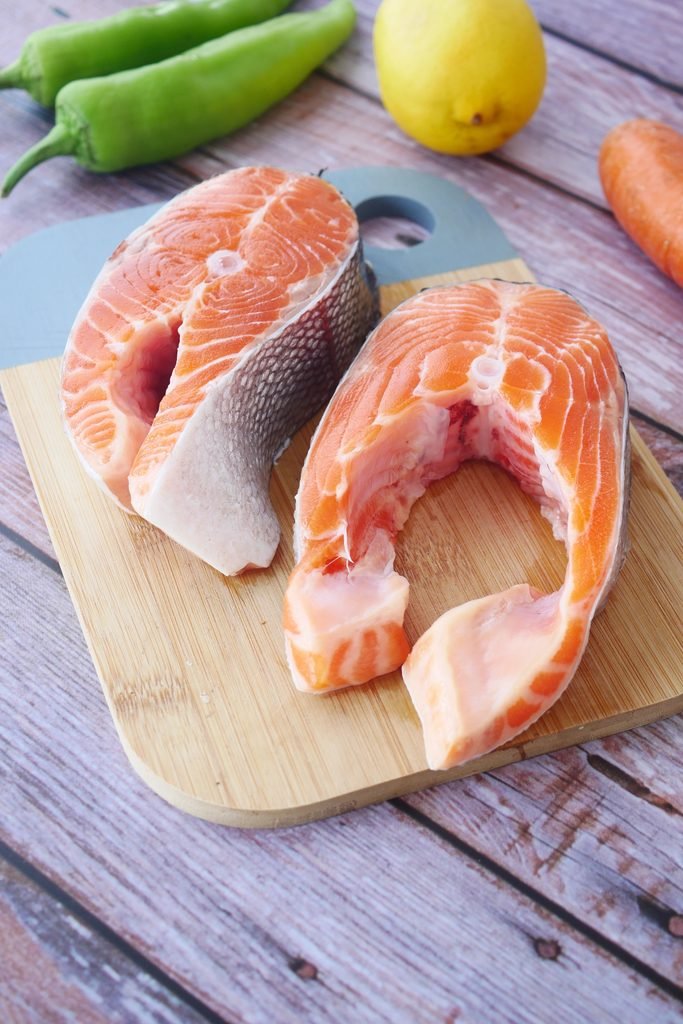
Can hamsters eat salmon?
I would treat plain cooked salmon the same way.
A tiny amount of fully cooked, boneless, unseasoned salmon is unlikely to be an obvious toxic food, but salmon is not necessary for hamster nutrition.
Do not feed:
- smoked salmon
- salted salmon
- salmon with sauce
- cured salmon
- raw salmon
- salmon skin covered in seasoning
If you are cooking salmon for yourself and it has already been seasoned, do not try to rinse a piece and turn it into hamster food.
Can hamsters eat tuna?
I would skip canned tuna.
The original article recommended no-salt-added tuna packed in water and suggested rinsing it first.
That creates a preparation workaround for a food your hamster does not need.
Canned tuna products vary in sodium content and preparation, and tuna also raises questions about mercury exposure that are well studied in humans but not translated into useful hamster serving limits.
Instead of trying to calculate whether one particular can is acceptable, choose an established hamster treat.
A tiny accidental taste of plain tuna is different from deliberately feeding it every week.
Do hamsters need low-mercury fish?
Not if you do not make fish a routine food.
The original article listed swordfish, shark, king mackerel, and tilefish because these species carry human dietary mercury warnings.
Those warnings are real, but the recommended limits were developed for people, not hamsters.
There is no hamster-specific fish consumption table telling owners how many grams of salmon versus tuna versus swordfish are acceptable.
So rather than transplanting human seafood advice into a hamster article, I would use the much simpler rule:
fish is optional, so there is no reason to use large predatory fish or build fish into the diet at all.
Can hamsters eat raw fish?
I would avoid raw fish.
This is one claim from the original article that has a sound general food-safety basis.
Raw seafood can carry harmful bacteria and parasites. The FDA recommends cooking fish thoroughly and gives 145°F (63°C) as the safe internal temperature for finfish.
The FDA also warns that raw pet foods have a greater risk of contamination with organisms such as Salmonella and Listeria than cooked foods.
There is no benefit to exposing a hamster, its enclosure, or the people handling the cage to that additional risk.
If fish is offered, use fully cooked fish.
Does fish need to cool to room temperature?
Do not give your hamster food that is still hot from cooking.
But there is no need to claim that refrigerated fish causes digestive upset simply because it is cold.
The practical rule is:
do not serve food hot enough to burn the mouth.
You do not need to warm a small piece of safe refrigerated food to an exact room temperature before it becomes digestible.
What about fish bones?
Remove them.
Even fish sold as boneless can occasionally contain small bones.
A hamster is tiny, so there is no advantage to giving it a piece that you have not checked carefully.
If you choose to offer fish, use a small flake of flesh that you can inspect easily rather than a chunk from around a skeleton or whole fish.
Can hamsters eat fried fish or fish sticks?
No.
Fish sticks, battered fish, fried fish, and similar products are processed human foods.
They may contain:
- salt
- oil
- breading
- seasoning
- sauces
- preservatives
PetMD advises keeping a hamster’s diet centered on food formulated for hamsters rather than processed human foods.
The fish itself is no longer the only ingredient you have to evaluate.
What about smoked fish?
Skip it.
Smoked and cured fish are commonly high in sodium and may contain additional seasonings or preservatives.
There is no hamster benefit worth navigating those ingredients.
Plain cooked food is always simpler if you decide to share an animal-protein treat.
Can dwarf hamsters eat fish?
I would use the same general rule for dwarfs and Syrians.
A healthy dwarf hamster is smaller, so any optional extra should also be smaller.
There is no need to justify fish by saying it has “no sugar and therefore is good for diabetes-prone dwarfs.”
Fish safety has little to do with sugar, and Roborovski, Winter White, Campbell’s, and hybrid hamsters should not all be collapsed into one identical diabetes category.
If your individual hamster has diabetes, kidney disease, obesity, or another condition requiring a special diet, follow your veterinarian’s advice.
What if my hamster already ate fish?
First identify what kind of fish it was.
A tiny amount of plain, fully cooked fish is very different from:
- raw fish
- heavily salted fish
- smoked fish
- fried fish
- fish with garlic or onion seasoning
- a fish dish covered in sauce
- fish containing bones
If your hamster ate a tiny piece of plain cooked fish and is acting normally, remove any leftovers and return to the normal diet.
If it ate a large quantity, swallowed a bone, ate raw fish, consumed a heavily seasoned product, or develops significant symptoms, contact a veterinarian experienced with hamsters.
For foods with clearer toxicity concerns, see foods toxic to hamsters.
How quickly should leftover fish be removed?
Promptly.
Cooked fish is a perishable food, and hamsters are enthusiastic hoarders.
A piece that disappears may have been carried under bedding rather than eaten.
That makes fish particularly inconvenient compared with dry treats because spoiled animal food hidden in the nest can create a hygiene problem.
If you offer any fresh animal protein, make sure you can check for and remove uneaten portions later.
What is a better protein treat?
If you specifically want an occasional animal-protein extra, I would follow the foods hamster-care sources actually recommend.
Woodgreen lists:
- a small amount of plain cooked chicken
- boiled egg
- dried mealworms as part of suitable mixes
PetMD also permits freeze-dried mealworms but emphasizes that additional protein should be optional because the complete diet should already provide enough.
That gives these foods an advantage over fish: they have direct hamster-specific guidance behind them.
You can also simply offer no separate protein treat at all.
Does my hamster need fish for variety?
No.
Hamster enrichment does not require cycling through every human food that an omnivore could theoretically digest.
Dietary variety can come from an appropriate staple mix plus selected vegetables, herbs, seeds, forage, and occasional treats.
See our safe vegetables for hamsters guide if you want simple fresh-food options with clearer guidance.
Fish is not missing from your hamster’s life if it never eats any.
The bottom line
I would not make fish a regular hamster treat.
A tiny amount of fully cooked, plain, boneless fish is unlikely to be inherently toxic to a healthy hamster, but major hamster-care sources give much clearer support to complete hamster food, dried mealworms, plain cooked chicken, and boiled egg as protein sources.
There is no evidence-based pea-sized fish serving or once-a-week schedule. Fish also does not need to be added for omega-3s, coat health, or extra protein.
If you do offer a tiny taste, use fully cooked, unseasoned, boneless fish and remove leftovers promptly. Skip raw, smoked, salted, fried, canned, and heavily seasoned fish.
For most owners, though, the easiest answer is simply to use a better-established hamster food instead.
Keep reading: What can hamsters eat? | Foods toxic to hamsters | Safe vegetables for hamsters
Hamster Corner provides general educational information about hamster care and nutrition. If your hamster eats a questionable food, swallows a bone, or develops persistent diarrhea, loss of appetite, weakness, or another significant health change, contact a veterinarian experienced with hamsters.