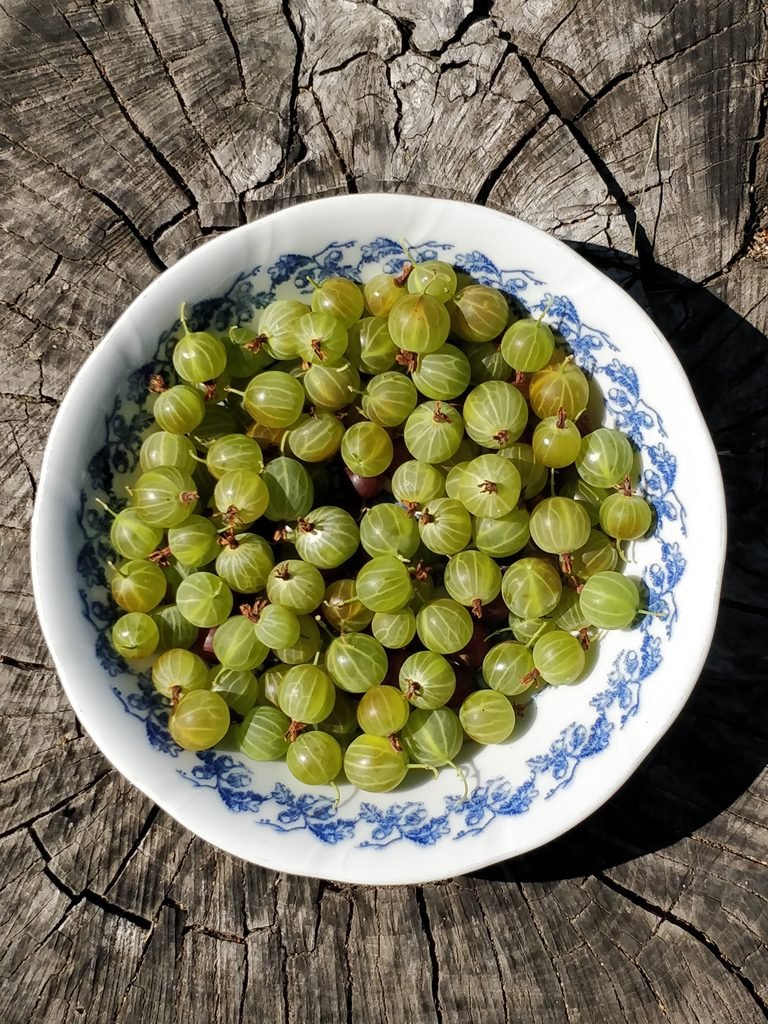
A tiny amount of ripe European gooseberry is unlikely to be an obvious poisoning concern for a healthy hamster, but gooseberries are not specifically recommended in the major hamster feeding guides I checked.
That means I would not give owners a rule such as one whole berry once a week or a quarter berry for dwarf hamsters. Those portions sound precise, but they are not based on hamster-specific research.
If you want to offer fruit, strawberries, blueberries, banana, apple, and pear have clearer support. Gooseberry is optional rather than something your hamster needs.
One important detail before going further: this article is about the European gooseberry, Ribes uva-crispa. “Cape gooseberry” is a completely different plant and should not be treated as the same food.
Are gooseberries safe for hamsters?
There is limited hamster-specific evidence.
PetMD says most fruits can be offered to hamsters in limited quantities, although it specifically recommends examples such as apple, pear, strawberry, banana, and blueberry rather than gooseberry.
Woodgreen Pets Charity similarly lists several fruits that can be used as occasional treats but does not include gooseberries.
That does not make a ripe European gooseberry toxic.
It means the most accurate answer is:
ripe gooseberry flesh is probably a low-concern food in a tiny amount, but there is not enough hamster-specific guidance to call it an established treat.
For foods with clearer recommendations, see what hamsters can eat.
European gooseberry vs. Cape gooseberry
This distinction matters much more than the original article suggested.
European gooseberry is Ribes uva-crispa, a berry in the Ribes genus.
Cape gooseberry is usually a Physalis species, related to ground cherries and members of the nightshade family.
They are not interchangeable.
North Carolina State Extension warns that in Physalis, unripe fruit and other plant parts can contain toxic alkaloids, while fully ripe fruit is the edible part.
So if you bought something labelled “Cape gooseberry,” “ground cherry,” or “goldenberry,” do not assume the advice in this article applies to it.
For hamster feeding, I would skip Cape gooseberries rather than trying to establish ripeness and plant-part safety.
How much European gooseberry can a hamster eat?
There is no established veterinary serving specifically for gooseberries.
The original article prescribed:
- one small gooseberry per week for a Syrian
- one-quarter of a berry for a dwarf
I could not find evidence supporting either amount.
Woodgreen uses a broader treat guideline of roughly the size of the hamster’s ear and recommends treats only occasionally. That guideline covers treats generally, not gooseberries specifically.
Because gooseberries have less direct hamster guidance than the fruits Woodgreen actually names, I would be more conservative.
If you choose to let a healthy hamster taste a ripe European gooseberry, offer a very small piece rather than an entire berry.
A dwarf hamster should naturally receive less than a Syrian because the animal is smaller.
There is no reason to turn it into a weekly routine.
Are gooseberries high in sugar?
Not especially compared with many familiar fruits.
A recent nutrition comparison lists European gooseberries at around 5.9 grams of total sugar per 100 grams, although composition varies by cultivar and ripeness.
Research on multiple gooseberry cultivars also describes the fruit as relatively low in sugar.
That does not make gooseberries an unlimited hamster food.
A hamster eats tiny quantities, and fruit in general should remain a limited extra alongside a nutritionally complete staple diet.
The useful takeaway is therefore not:
“Gooseberries are low sugar, so dwarfs can eat them.”
It is:
“Sugar is not a special reason to fear gooseberries, but fruit still belongs in the treat portion of the diet.”
Are gooseberries too acidic for hamsters?
I would not make acidity the main warning.
Gooseberries contain organic acids and can taste quite tart, particularly when less ripe. But I could not find hamster-specific evidence showing that a normal tiny piece causes mouth soreness because of its acidity.
The original article went further and suggested symptoms such as drooling and pawing at the mouth after acidic berries.
That is too speculative.
If a hamster develops drooling, trouble eating, or persistent mouth discomfort, those signs deserve veterinary attention rather than being automatically blamed on fruit acidity.
The more established feeding advice is simply to introduce new fresh foods gradually and avoid large amounts or sudden dietary changes.
Should gooseberries be ripe?
If you choose to offer European gooseberry, use ripe fruit intended for human consumption.
A ripe berry is easier to identify as ordinary food and avoids unnecessary experimentation with hard, strongly tart, immature fruit.
You do not need to search for the sweetest possible berry.
Just avoid fruit that is:
- visibly unripe
- spoiled
- moldy
- fermented
- damaged
Wash it before serving.
Do you need to remove the skin?
There is no evidence-based reason to peel a normal European gooseberry.
The skin is part of the fruit people ordinarily eat, and scientific analyses of gooseberries examine both skin and flesh as food tissues.
However, hamster-specific research has not established a special benefit from the skin either.
If offering a tiny piece, wash the fruit thoroughly and use a clean section of ripe berry.
There is no need to make peeling another safety ritual.
What about gooseberry seeds?
European gooseberries contain multiple small seeds inside the fruit.
The original article did not address them clearly, while PetMD gives a broad recommendation against feeding fruits containing seeds or pits.
The problem is that advice is much easier to apply to foods such as apple or stone fruit than to a berry containing numerous tiny embedded seeds.
I could not find hamster-specific research evaluating gooseberry seeds.
That is another reason I would not make gooseberry one of my first-choice hamster fruits.
If you want a fruit with clearer preparation guidance, strawberry is simpler. See can hamsters eat strawberries?.
Can dwarf hamsters eat gooseberries?
I would not create a special quarter-berry rule for dwarf hamsters.
The original article said gooseberries were especially appropriate because they are relatively low in sugar, while also describing dwarf hamsters as broadly diabetes-prone.
That repeats the same problem we have corrected in several other food guides.
Roborovski, Winter White, Campbell’s, and hybrid hamsters should not automatically be treated as having identical metabolic risks.
A dwarf hamster is much smaller than a Syrian, so any optional food portion should also be smaller.
If your individual hamster has diagnosed diabetes, obesity, or another medical condition, follow your veterinarian’s dietary advice.
Can hamsters eat dried gooseberries?
I would skip them.
Drying removes much of the water from fruit, which concentrates the food into a smaller volume. Commercial dried berries may also contain added sugar.
There is no benefit to taking a fruit with already limited hamster-specific guidance and offering it in a more concentrated form.
If you want to offer a berry, use a better-established fresh option.
Can hamsters eat canned gooseberries?
I would skip canned gooseberries too.
Canned fruit may be packed with:
- syrup
- sweetened juice
- sugar
- preservatives
- other ingredients
Even an unsweetened canned product offers no advantage over fresh food.
Hamster treats do not need creative preparation.
What about gooseberry jam?
No.
Jam is a processed human food and typically contains a large amount of added sugar.
The same applies to:
- gooseberry pie filling
- gooseberry sauce
- gooseberry curd
- sweetened compote
- gooseberry candy
The presence of fruit does not make the finished product appropriate for a hamster.
Can hamsters eat gooseberry leaves or stems?
I would not deliberately offer them.
There is very little hamster-specific feeding evidence for Ribes uva-crispa leaves or stems.
Research on gooseberry leaves shows that they contain a variety of plant compounds, including flavonoids, saponins, and reported cyanogenic glucosides. That does not establish a toxic dose for hamsters, but it is enough reason not to use the leaves as experimental forage when they offer no necessary benefit.
Stick to established hamster-safe forage and herbs instead.
For other foods and plants to avoid, see foods toxic to hamsters.
What if my hamster already ate a gooseberry?
If your hamster ate a tiny amount of ripe European gooseberry, do not automatically assume poisoning.
European gooseberry is not identified in the hamster-care sources I checked as a classic toxic food.
Remove the remaining fruit and monitor your hamster normally.
Watch for a meaningful change such as:
- persistent diarrhea
- reduced appetite
- unusual lethargy
- difficulty eating
- another obvious change from normal behavior
If your hamster ate a large amount, ate an unknown plant part, or becomes unwell, contact a veterinarian experienced with hamsters.
If the fruit was actually a Cape gooseberry or ground cherry, the distinction between ripe fruit and other plant parts becomes more important, so tell the veterinarian exactly what plant was eaten.
What fruits have clearer hamster guidance?
Woodgreen and PetMD give us easier choices.
Examples include:
- strawberry
- blueberry
- banana
- apple with the seeds removed
- pear
These fruits still belong in small amounts. The advantage is simply that reputable hamster-care sources actually name them.
You can also use suitable vegetables instead. See our safe vegetables for hamsters guide for options that do not require guessing about an unusual berry.
Is gooseberry worth feeding?
For me, not especially.
That does not mean European gooseberries are dangerous.
It means the food sits in an awkward middle ground:
- no clear hamster-specific recommendation
- no important nutritional role
- plenty of better-established alternatives
Your hamster does not need gooseberries for vitamin C, fiber, antioxidants, or variety. A nutritionally complete hamster diet should already provide essential nutrients, while suitable fresh foods can add limited variety.
If your hamster never tastes a gooseberry, nothing is missing.
The bottom line
A tiny amount of ripe European gooseberry is unlikely to be an obvious poisoning concern, but there is not enough hamster-specific guidance for me to recommend gooseberries as a routine treat.
There is no evidence-based rule saying a Syrian can eat one berry every week or a dwarf can eat one-quarter of a berry.
The original acidity warning was also overstated. Gooseberries are tart, but there is not good hamster-specific evidence showing that a normal tiny serving causes mouth soreness because of acidity.
If you want to offer fruit intentionally, strawberry, blueberry, banana, apple, or pear have clearer hamster-care guidance.
And make sure you know which “gooseberry” you have. European gooseberry and Cape gooseberry are completely different plants, and the latter has specific concerns around unripe fruit and other plant parts.
Keep reading: What can hamsters eat? | Can hamsters eat strawberries? | Safe vegetables for hamsters | Foods toxic to hamsters
Hamster Corner provides general educational information about hamster care and nutrition. If your hamster eats an unknown plant or develops persistent diarrhea, loss of appetite, lethargy, or another significant health change, contact a veterinarian experienced with hamsters.