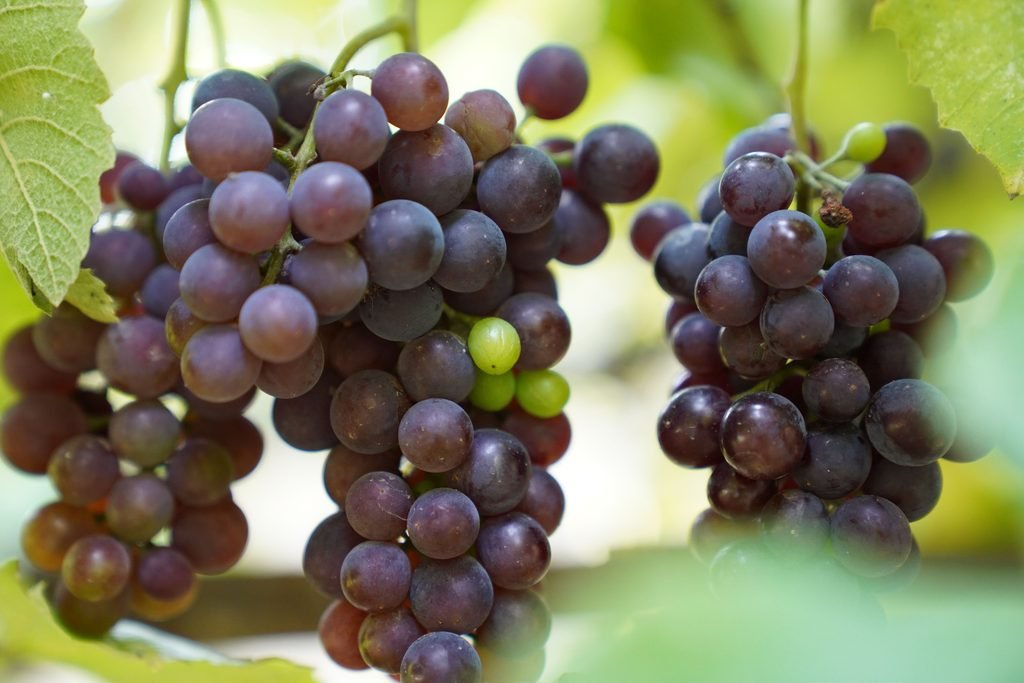
There is no clear consensus on whether pet hamsters should eat grapes. Woodgreen Pets Charity lists small pieces of grapes as an acceptable occasional treat, while the RSPCA specifically advises owners not to give grapes because they may be poisonous to rodents.
Because grapes are not an essential part of a hamster’s diet, the simplest and most cautious choice is to skip them rather than trying to work out a “safe” weekly serving.
This is different from saying that one accidental bite will definitely poison a hamster. The evidence is not that clear either.
Are grapes safe for hamsters?
This question has a more complicated answer than many hamster food lists suggest.
Woodgreen Pets Charity explicitly says grapes are fine as an occasional treat in small amounts. Its hamster feeding guide also includes grapes among fresh fruits that can be offered alongside a balanced diet.
The RSPCA hamster diet guide, however, says not to give hamsters grapes or rhubarb because they may be poisonous to rodents.
Those are two established animal-welfare organizations giving different advice about the same food.
That makes a confident statement such as “grapes are definitely safe for hamsters” difficult to justify.
It also makes the opposite claim, “grapes are proven toxic to hamsters,” stronger than the available hamster-specific evidence supports.
For an optional treat with no nutritional necessity, there is little reason for an owner to take sides in that disagreement.
What does the research actually show?
There is an interesting wrinkle.
Golden Syrian hamsters have been used in nutrition studies involving grape products. Published research has given hamsters grape juice, mashed grape, grape-derived carbohydrates, and grape extracts without treating grapes as an acutely poisonous food.
For example, one study fed purple grape or grape juice to hamsters for 12 weeks while examining cardiovascular effects. Other hamster studies have investigated grape-derived compounds.
That makes it difficult to simply assume that grapes affect hamsters exactly as they affect dogs.
But these studies were not designed to establish a safe serving of fresh grapes for pet hamsters.
They used controlled experimental diets, specific preparations, measured doses, and laboratory animals. They do not tell us that one-quarter of a grape once a week is an evidence-based pet feeding recommendation.
So the research is useful for one thing: it shows why this topic deserves more nuance.
It does not give us a reason to invent a portion size.
Are grapes toxic to hamsters like they are to dogs?
We should not automatically transfer the well-known dog warning to hamsters.
Grapes and raisins can cause serious kidney injury in dogs. That is a well-established veterinary problem.
Hamsters are a different species, and available hamster research does not demonstrate the same clear toxicity pattern.
At the same time, the RSPCA’s current hamster guidance still advises avoiding grapes.
The most accurate answer is therefore:
Grape toxicity is established in dogs, but it has not been established in hamsters in the same way. Reputable hamster guidance remains conflicting.
That is very different from saying “dogs cannot eat grapes, therefore hamsters cannot either.”
So should I give my hamster a grape?
I wouldn’t.
Not because a tiny piece has been proven poisonous, but because there is no meaningful upside.
A complete hamster food should provide the foundation of the diet. Small amounts of suitable vegetables and some fruits can provide variety, but your hamster does not specifically need grapes.
There are plenty of fresh foods with clearer feeding guidance.
If the choice is between:
- experimenting with a food that reputable sources disagree about, or
- choosing a different fresh food
the second option is much easier.
See our guide to what hamsters can eat for foods with clearer recommendations.
Why I would not use a species-specific grape chart
The original version of this article recommended grapes for Syrians but banned them for every dwarf hamster.
That looks useful in a table, but it creates more certainty than the evidence gives us.
It is true that some hamster types have greater concern around metabolic disease than others. But grouping Roborovski, Campbell’s, Winter White, and other hamsters together as simply “diabetes-prone dwarfs” is too broad.
More importantly, we do not need a complicated species-by-species grape rule when the food itself is optional.
My recommendation is therefore the same for both:
| Hamster | Recommendation |
|---|---|
| Syrian hamster | Better to skip grapes because authoritative guidance conflicts |
| Dwarf hamster | Better to skip grapes because authoritative guidance conflicts |
That is more defensible than pretending we know that a Syrian can safely eat exactly one-quarter of a grape every seven days.
If you decide to offer grape anyway
Some owners may follow Woodgreen’s guidance and choose to offer a tiny amount occasionally.
If you do, keep it simple:
- Wash the grape thoroughly.
- Choose a seedless grape or remove all seeds.
- Cut off a very small piece rather than giving the whole fruit.
- Treat it as part of the hamster’s overall treats, not an extra daily food.
- Remove uneaten fresh fruit before it spoils in the enclosure.
Woodgreen’s general treat guidance is roughly a hamster-ear-sized portion once or twice a week, but that recommendation covers treats overall. It is not a scientifically established grape dose.
PetMD likewise recommends keeping fruit and other extras to a small part of the total diet.
Do you have to peel grapes for hamsters?
There is no good evidence that grape skin itself must be removed before a hamster can eat the fruit.
The original article told owners to peel grapes because the skin supposedly carries too much pesticide residue.
That is unnecessarily specific.
Wash fresh produce thoroughly before offering it. If you personally prefer to remove the skin, you can, but peeling should not be presented as a hamster-specific safety requirement.
And because my overall recommendation is to skip grapes, there is no reason to create an elaborate preparation ritual around them.
Do grape seeds need to be removed?
If grapes are offered, I would use seedless fruit or remove the seeds.
PetMD gives a general recommendation to remove fruit seeds and pits before feeding fruit to hamsters.
But we should also avoid claiming that every grape seed has been shown to poison or choke a hamster. Different fruit seeds have different chemical compositions and risks.
“Remove the seeds” is a sensible precaution.
“One grape seed will poison your hamster” would require evidence we do not have.
Is a whole grape a choking hazard?
I would not state this as an established fact without evidence.
A whole grape is unnecessarily large compared with a hamster’s normal treat portion, so there is no reason to offer one intact.
Cutting fresh food into a small piece also makes portion control easier.
That is sufficient reason to cut it.
We do not need to add an unverified claim that a whole grape will block a hamster’s airway or become trapped in its cheek pouch.
What if my hamster already ate a grape?
If your hamster took a small bite of an ordinary fresh grape, do not assume it has been poisoned.
The conflicting guidance discussed above, along with published hamster studies involving grape products, does not support treating every tiny accidental grape ingestion as an automatic poisoning emergency.
Remove the remaining fruit and observe your hamster.
Watch for meaningful changes such as:
- diarrhea or unusually soft droppings
- reduced appetite
- unusual lethargy
- abnormal drinking or urination
- any other sudden change from normal behavior
If your hamster ate a large amount, has an existing health condition, or develops symptoms, contact a veterinarian experienced with hamsters.
The same advice applies whenever you are uncertain about something your hamster has eaten: identify the food and amount first rather than trying a home treatment.
See our foods toxic to hamsters guide for more foods worth keeping out of the enclosure.
Can hamsters eat raisins?
I would skip raisins too.
Raisins are dried grapes, so they do not solve the uncertainty around grapes. Drying also removes much of the water and concentrates the fruit into a smaller piece.
That makes it easier to give a comparatively large amount of sugar without realizing it.
There is no advantage to choosing raisins when plenty of other fresh foods have clearer hamster feeding guidance.
What about grape juice?
Skip it.
Even if a scientific study has used grape juice in hamsters, that does not make grape juice an appropriate pet drink.
Hamsters need constant access to fresh, clean water.
Juice provides concentrated fruit sugars without any benefit your hamster needs and should never replace water.
Are green grapes safer than red grapes?
There is no useful hamster-care evidence showing that green, red, or purple grapes need different recommendations.
Choosing one color does not solve the underlying issue that reputable hamster guidance disagrees about grapes in general.
I would not create separate rules for each variety.
What can I offer instead?
If you want to share fresh food, use something with clearer guidance rather than trying to make grapes work.
For example, cucumber is one option commonly included in hamster feeding guidance.
Other appropriate vegetables can also add variety without making sugary fruit a major part of the diet.
See our safe vegetables for hamsters guide for more options.
The goal is not to find the sweetest treat your hamster can technically tolerate.
It is to build a varied diet around foods that are appropriate and easy to use safely.
The bottom line
There is conflicting advice about feeding grapes to hamsters.
Woodgreen Pets Charity says grapes can be offered occasionally in small amounts, while the RSPCA currently advises hamster owners not to give grapes because they may be poisonous to rodents.
Published studies using grape products in Syrian hamsters also make it difficult to claim that grapes are proven toxic to hamsters in the same way they are to dogs.
Because the evidence does not give us a clean answer, I would take the easy option: skip grapes and choose a different treat.
If your hamster has already eaten a tiny piece, that does not automatically mean it has been poisoned. Remove the rest, monitor normally, and contact a hamster-experienced veterinarian if a significant amount was eaten or your hamster becomes unwell.
Keep reading: What can hamsters eat? | Can hamsters eat cucumber? | Safe vegetables for hamsters | Foods toxic to hamsters
Hamster Corner provides general educational information about hamster care and nutrition. If your hamster eats something potentially harmful or develops a significant change in appetite, stool, activity, or behavior, contact a veterinarian experienced with hamsters.