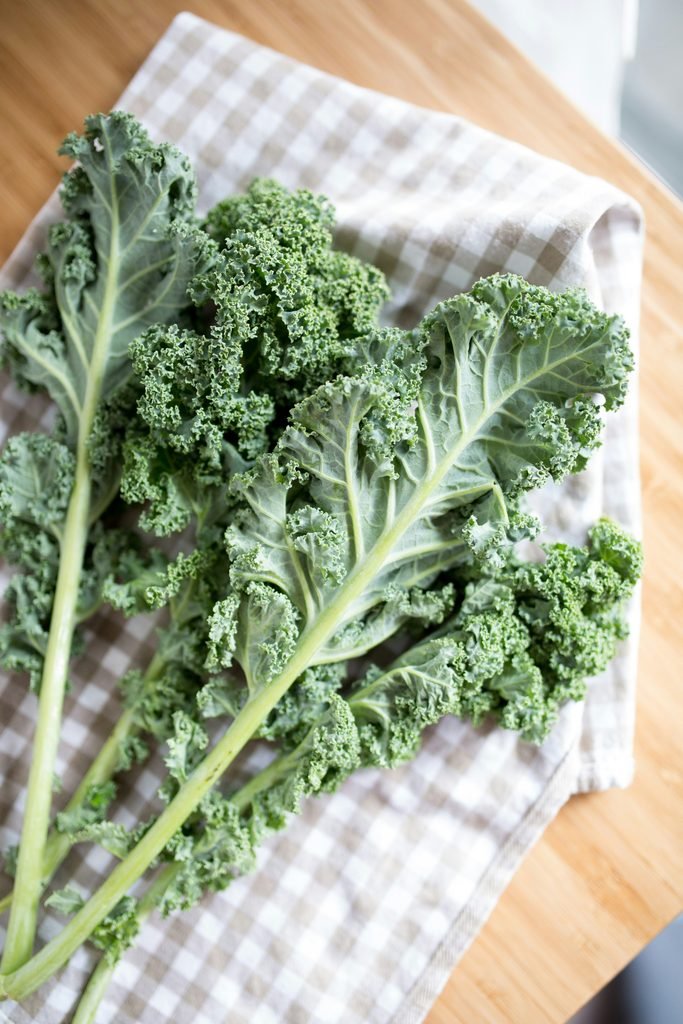
Yes. Hamsters can eat curly kale in small amounts. Woodgreen Pets Charity specifically includes curly kale in its list of safe vegetables for hamsters and recommends keeping treats small and occasional.
What I would not add is the common warning that kale is especially “gassy” for hamsters. I could not find good hamster-specific evidence showing that kale uniquely causes gas or bloating.
Is kale safe for hamsters?
The clearest direct guidance I found is for curly kale.
Woodgreen Pets Charity lists curly kale alongside vegetables such as broccoli, cucumber, peas, spinach, cauliflower, and green beans that hamsters can eat.
That gives curly kale a much stronger basis than foods that appear only on generic pet-food lists.
If you are feeding another kale variety, such as Lacinato or dinosaur kale, I could not find equally specific hamster guidance naming that variety. That does not prove it is unsafe, but I would not turn guidance for curly kale into a blanket evidence claim for every kale cultivar.
For a larger list of vegetables with hamster-specific support, see safe vegetables for hamsters.
How much kale can a hamster eat?
Keep it small and occasional.
Woodgreen uses a practical guideline for treats: roughly the size of your hamster’s ear, offered once or twice a week.
That is a better basis than inventing rules such as:
- one thumbnail-sized piece for a Syrian
- half that amount for a dwarf
- once weekly for one species and twice weekly for another
I could not find authoritative guidance establishing those kale-specific portions.
Fresh foods are extras. Your hamster’s nutritionally appropriate staple food should still provide the foundation of the diet. The RSPCA recommends a balanced hamster ration alongside only small quantities of suitable greens, vegetables, and fruit.
For the complete feeding framework, see what hamsters can eat.
Does kale cause gas and bloating in hamsters?
I would not use that claim.
Kale belongs to the same plant family as cabbage and broccoli, and you will often see pet articles conclude from that fact that kale must cause gas or bloating in hamsters.
I could not find strong hamster-specific evidence supporting that conclusion.
That does not mean unlimited kale is a good idea. Woodgreen still recommends small portions, and sudden dietary changes can cause digestive upset.
The distinction matters: “feed a small amount” is supported. “Kale is a gassy vegetable that causes hamster bloating” is not well established.
Is kale good for dwarf hamsters?
There is no need to give kale a special diabetes angle.
Woodgreen lists curly kale as a suitable hamster vegetable without creating a separate rule for Syrian and dwarf hamsters.
I would therefore avoid claims such as:
- kale is ideal for diabetes-prone dwarfs
- all dwarf hamsters should receive half the Syrian portion
- low-sugar foods are automatically better for every dwarf hamster
Different dwarf species and breeding lines should not automatically be given the same metabolic risk profile.
If your individual hamster has diagnosed diabetes or another condition requiring dietary management, follow the feeding advice of a hamster-experienced veterinarian.
Should kale be served raw or cooked?
For the most evidence-aligned option, I would keep it simple and serve a small piece of fresh, plain curly kale.
Woodgreen specifically includes fresh chopped curly kale in its hamster feeding guidance. I could not find equally clear hamster-specific guidance establishing that cooked kale is preferable or necessary.
There is also no reason to claim raw kale is “better because it keeps more nutrients.” Your hamster should already receive its essential nutrition from an appropriate staple diet, so kale does not need to act as a vitamin supplement.
Wash fresh produce before serving and do not add salt, butter, oil, sauce, or seasoning.
Do you need to remove the kale stalk?
I could not find hamster-specific guidance requiring the central stalk to be removed.
If you want the simplest serving, a small piece of the leaf is easy to portion. But I would not describe the stalk as dangerous, indigestible, or too tough without evidence.
This is another example where a simple serving preference should not be turned into a safety rule.
Introduce kale gradually
If your hamster has never eaten kale before, introduce it gradually rather than changing several parts of the diet at once.
Woodgreen specifically recommends introducing new foods gradually to reduce the chance of digestive upset.
Hamsters also hoard food, so remove uneaten fresh kale before it spoils rather than allowing damp produce to sit in the enclosure.
What if my hamster has diarrhea after eating kale?
Do not automatically assume kale caused it, and do not rely on a rule such as “stop fresh food for several days and wait.”
Diarrhea and moist droppings can have causes unrelated to the latest vegetable your hamster ate.
The RSPCA recommends speaking to a veterinarian immediately if a hamster starts eating less, develops moist droppings, or has soiled hindquarters.
Significant lethargy, weakness, reduced appetite, or persistent abnormal stools also deserve prompt veterinary attention.
Frequently asked questions
Can hamsters eat raw kale?
Woodgreen specifically lists fresh curly kale among suitable hamster vegetables, so a small amount of fresh, plain curly kale is a well-supported choice.
Can dwarf hamsters eat kale?
Current Woodgreen guidance lists curly kale as suitable for hamsters without providing a separate dwarf prohibition. There is no need to create a diabetes-based kale rule for every dwarf species.
How often can hamsters eat kale?
Woodgreen’s general treat guidance is roughly an ear-sized portion once or twice a week. I could not find a stronger kale-specific schedule that justifies separate frequencies for Syrian and dwarf hamsters.
Is kale better than lettuce or broccoli?
There is no need to rank them based on human nutrition data.
Curly kale and broccoli both appear in Woodgreen’s list of suitable hamster vegetables. The more useful goal is a nutritionally appropriate staple diet with suitable extras rather than finding one “best” vegetable.
Bottom line
Curly kale is a suitable fresh vegetable for hamsters in small amounts.
Keep the serving small, introduce it gradually, and let the hamster’s complete staple diet provide the essential nutrition.
There is no good reason to add unsupported rules about gas, thumbnail-sized Syrian portions, half portions for dwarfs, or kale being especially good for diabetes-prone hamsters.
Keep reading: Safe vegetables for hamsters · What can hamsters eat? · Can hamsters eat green beans?
Hamster Corner provides general educational information about hamster care. It is not a substitute for professional veterinary advice. If your hamster develops signs of illness, contact a hamster-experienced veterinarian.