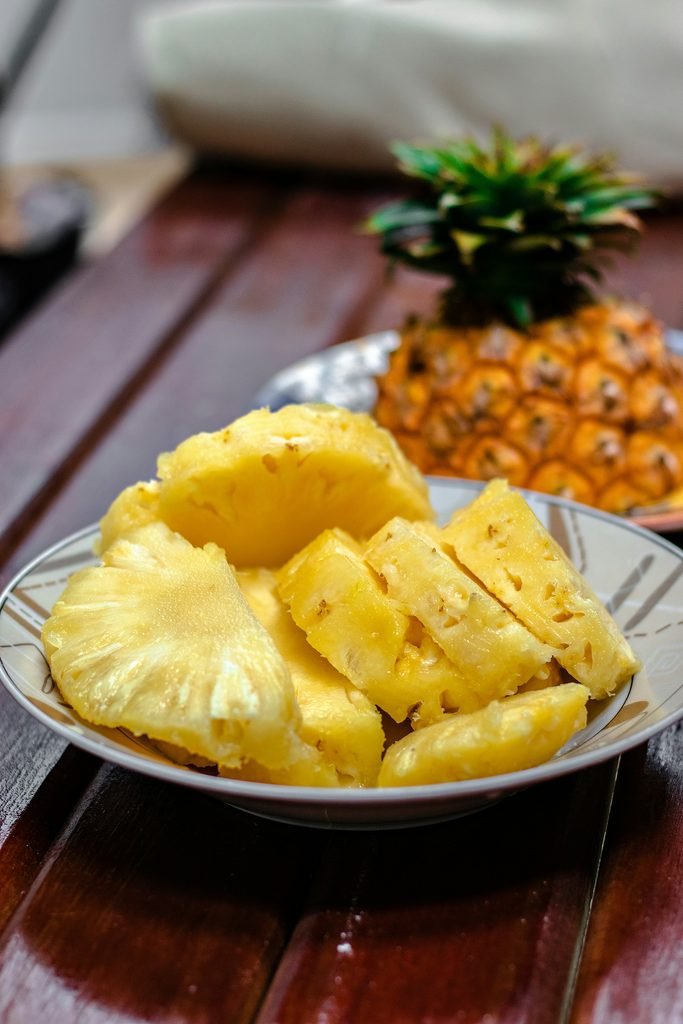
I would skip pineapple for hamsters. I could not find strong hamster-specific guidance from major veterinary or animal-welfare sources that specifically recommends pineapple, even though those sources do name several other fruits that hamsters can eat.
That does not mean pineapple is a known toxin. It means the evidence is too limited to justify confidently calling it safe, inventing an exact serving size, or recommending it as a regular treat. With plenty of better-supported fruits available, there is little reason to experiment.
Is pineapple safe for hamsters?
There is not enough hamster-specific evidence for a confident “yes.”
The RSPCA says hamsters can have small quantities of fruit alongside a balanced staple diet and specifically mentions apple.
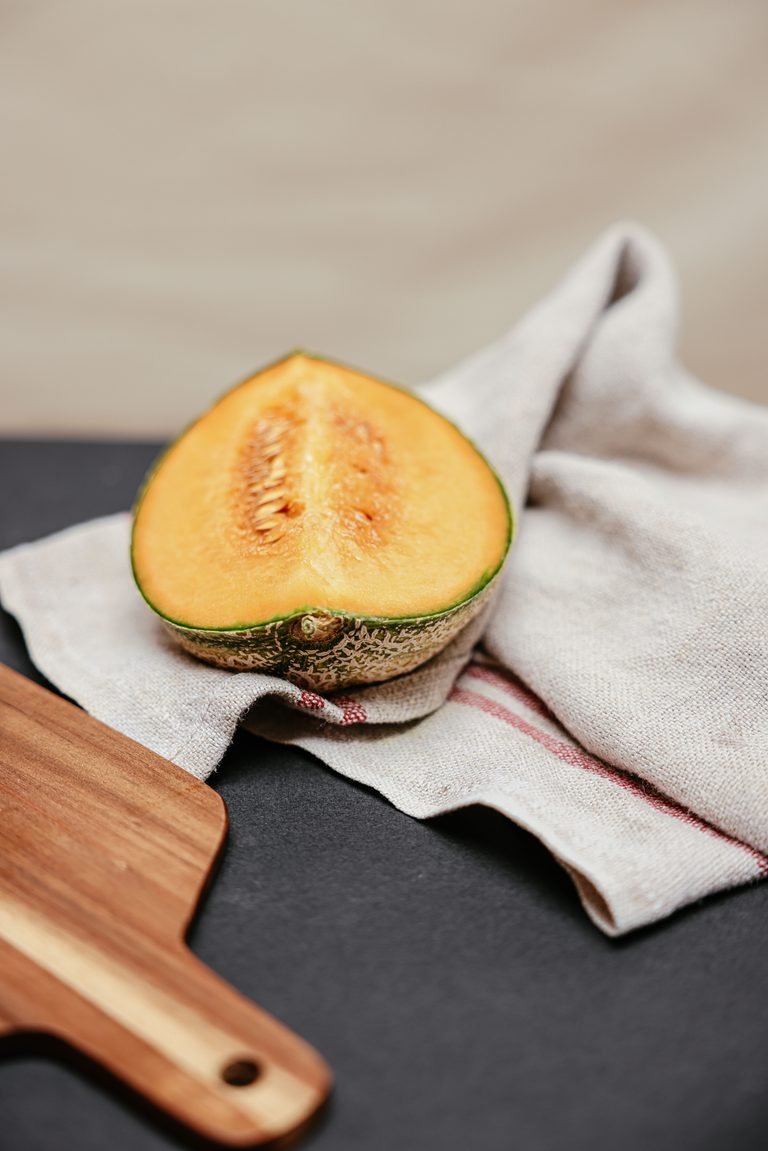
PDSA provides a more specific list of suitable hamster fruits, including apple, banana, melon, peach, pear and tomato.
Woodgreen names apple, pear, strawberries, blueberries and banana among suitable fruits.
Pineapple is not specifically included in the hamster guidance from these sources.
An omission does not prove that pineapple is harmful. But it also means there is no good basis for statements such as “pineapple is safe for Syrian hamsters once every two weeks.”
For the broader feeding framework, see what hamsters can eat.
Is pineapple too sugary for hamsters?
Pineapple contains natural sugar, but calling it one of the “highest-sugar fruits” overstates the case.
Raw pineapple contains about 9.85 g of total sugars per 100 g according to USDA nutrient data. That is enough to reinforce the basic point that fruit should be an extra rather than a staple, but sugar content alone does not establish a hamster-specific danger.
More importantly, a hamster does not need pineapple.
A complete hamster food should provide the nutritional foundation, while fresh foods are small additions. There is no need to feed pineapple for vitamin C, fiber or any other nutrient if the staple diet is already complete.
Is pineapple too acidic for hamsters?
This is another claim that should be handled carefully.
Pineapple is acidic, but I could not find hamster-specific evidence showing that a small amount causes mouth sores, diarrhea or stomach irritation because of that acidity.
Those claims appear frequently in pet-food articles, but repeating them without hamster-specific support creates a level of certainty the evidence does not justify.
PDSA provides an interesting comparison with citrus fruit. It notes that hamster owners have traditionally been told to avoid citrus because of acidity, but says newer research has made even that assumption less straightforward. PDSA therefore recommends sticking to better-established fruits while the question remains unsettled.
That is a useful principle here too: when the evidence for a fruit is weak, choose something with clearer hamster-specific guidance instead.
What about dwarf hamsters and pineapple?
I would not say “dwarf hamsters must avoid pineapple because dwarfs are prone to diabetes.”
Roborovski, Winter White and Campbell’s hamsters should not automatically be treated as having identical diabetes risk. Campbell’s hamsters and some Campbell’s/Winter White hybrid lines warrant greater metabolic caution, but that is different from applying the same rule to every dwarf species.
There is also no evidence that allows us to prescribe pineapple for Syrians while categorically banning it for all dwarfs.
The simpler recommendation applies to both: pineapple is optional and poorly supported, so there is little reason to feed it to any hamster species.
If your hamster has diagnosed diabetes or another medical condition, follow dietary guidance from a hamster-experienced veterinarian rather than a generic fruit list.
How much pineapple can a hamster eat?
There is no authoritative hamster-specific serving guideline for pineapple that supports rules such as:
- smaller than a raisin
- one bite
- once every week
- once every two weeks
- a smaller portion for dwarfs
I would not invent one.
Woodgreen does give a broader guideline that hamster treats should be roughly around the size of the hamster’s ear and offered only occasionally, but that does not establish an evidence-based pineapple dose.
Because pineapple itself is not specifically recommended in the hamster guidance I found, the more useful answer is simply to choose a better-supported food.
Can hamsters eat canned pineapple?
Canned pineapple is not one single product.
Some versions are packed in syrup, while others are packed in juice or water. Products can also differ in added sugar and other ingredients.
Rather than saying that all canned pineapple is dangerous because it is “soaked in syrup,” check the ingredient list.
That said, there is no practical reason to search for a hamster-friendly canned pineapple when pineapple itself lacks clear hamster-specific feeding guidance.
Can hamsters eat pineapple skin or core?
I could not find good hamster-specific guidance establishing either pineapple skin or the tough core as appropriate foods.
That does not justify calling them toxic.
Since there is already little reason to feed pineapple flesh, there is even less reason to experiment with the tougher outer or central parts of the fruit.
What if my hamster already ate pineapple?
If your hamster ate a small amount of plain pineapple and is behaving normally, do not assume this is a poisoning emergency. Pineapple is not established as a known hamster toxin in the sources I found.
Remove any remaining fruit and monitor your hamster’s normal appetite, activity and droppings.
If the pineapple came from a prepared or packaged product, check the complete ingredient list because other ingredients may matter.
The RSPCA advises contacting a veterinarian promptly if a hamster starts eating less, develops moist droppings or has soiled hindquarters. Significant lethargy, weakness, difficulty breathing or another notable behavioral change also warrants veterinary attention.
Do not induce vomiting or use home remedies.
What fruits have better evidence?
If you want to offer fruit occasionally, it makes more sense to use foods specifically named in reputable hamster guidance.
Depending on the source, these include:
- apple with the seeds removed
- banana
- pear
- strawberry
- blueberry
- melon
- peach
Different organizations do not publish identical lists, so individual foods should still be checked rather than assuming every fruit is interchangeable.
You can also choose suitable vegetables instead. See our guide to safe vegetables for hamsters for better-supported options.
The bottom line
I would skip pineapple for hamsters, not because it is proven toxic, but because hamster-specific evidence supporting it is limited.
Major hamster welfare sources recommend small amounts of fruit generally and specifically name several fruits, but pineapple is not among the foods I could verify from those sources.
There is also no evidence-based justification for a “raisin-sized piece every one or two weeks,” no good reason to claim pineapple acidity causes mouth sores, and no basis for banning it specifically for every dwarf hamster while recommending it to Syrians.
When an optional food has weak evidence and plenty of better-supported alternatives exist, the simplest answer is not to bother.
Keep reading: What can hamsters eat? | Foods toxic to hamsters | Safe vegetables for hamsters
Hamster Corner provides general educational information about hamster care. It is not a substitute for professional veterinary advice. If your hamster develops meaningful changes in appetite, droppings, activity or behavior, contact a hamster-experienced veterinarian promptly.