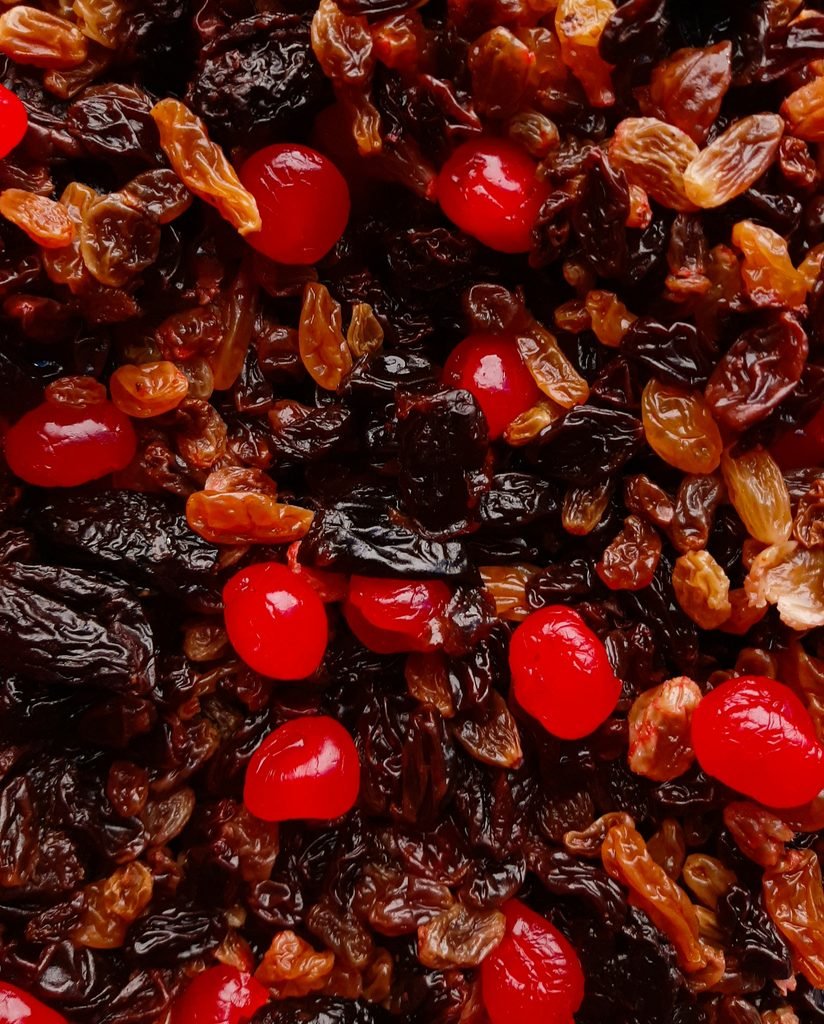
I would skip raisins for hamsters. The reason is not that raisins are proven toxic to hamsters, but that reputable guidance conflicts. PetMD, in a hamster care guide written by a veterinarian, lists raisins among foods hamsters can have alongside their main diet. RSPCA, however, broadly warns that raisins and other dried vine fruits can be toxic to pets. Because the hamster-specific evidence is unclear and raisins are unnecessary, skipping them is the simplest choice.
That is a different conclusion from saying “half a raisin every two weeks is safe.” I could not find an authoritative hamster-specific source establishing that serving, nor a hamster-specific toxic dose that proves raisins are poisonous.
Are raisins safe for hamsters?
The evidence is conflicting.
PetMD’s veterinarian-written hamster care guide specifically includes raisins among supplemental foods hamsters may eat, alongside carrots, apples, peas, peppers and cucumbers.
That is direct hamster-specific support.
On the other hand, the RSPCA’s seasonal pet-safety guidance places raisins, sultanas, currants and grapes in its unsafe-food section and describes them as toxic.
There is an important limitation, though. In the detailed explanation, RSPCA specifically highlights severe grape and raisin poisoning in cats and dogs, while separately noting that rabbits and guinea pigs can eat small quantities of grapes. It does not establish a hamster-specific toxic mechanism or dose.
That means I would not use the RSPCA page to claim that raisins cause kidney failure in hamsters.
At the same time, I would not ignore the conflict and confidently recommend raisins either.
Practical verdict: skip them.
For foods with clearer hamster-specific guidance, see what hamsters can eat.
Why not just follow PetMD and offer raisins?
You could argue that PetMD provides the most directly relevant evidence because it specifically discusses hamster diets and names raisins.
The problem is that there is little benefit to choosing a disputed food when plenty of better-established options exist.
Woodgreen explicitly considers small amounts of fresh grapes acceptable for hamsters, but it does not specifically recommend raisins. That creates another distinction between guidance for fresh grapes and dried grapes rather than resolving the raisin question.
Raisins are also dried fruit, so they are far more concentrated by weight than the original fresh grape because much of the water has been removed. That alone does not prove they cause diabetes or make them toxic, but it gives us even less reason to make them a routine hamster treat.
This is a case where “probably edible” is not the same as “worth recommending.”
How many raisins can a hamster eat?
There is no reliable hamster-specific evidence supporting half a raisin once every week or two.
I would remove that rule entirely.
PetMD lists raisins but does not provide that portion or schedule. Woodgreen’s general treat guidance suggests keeping treats roughly the size of the hamster’s ear and offering them once or twice a week, but that is not a raisin-specific safety dose.
Because the underlying guidance on raisins conflicts, converting a general treat rule into a precise “safe raisin limit” would create false certainty.
If you are deciding what to intentionally feed your hamster, choose another food rather than trying to calculate a raisin dose.
Can dwarf hamsters eat raisins?
I would not create a separate rule saying raisins are okay for Syrians but forbidden for every dwarf hamster.
The evidence conflict applies to raisins themselves, regardless of hamster species.
It is also inaccurate to say simply that “dwarf hamsters are prone to diabetes.” PDSA specifically says Russian dwarf hamsters are particularly prone to diabetes and advises against overfeeding sugary fruits and vegetables.
That does not establish an identical risk for Roborovski, Campbell’s, Winter White, Chinese hamsters and every hybrid.
Since raisins are already easy to skip, however, there is little reason to make them a special treat for either Syrian or dwarf hamsters.
If your hamster has diagnosed diabetes or another condition affecting its diet, follow veterinary advice for that individual hamster.
Are raisins toxic to hamsters like they are to dogs?
We do not have enough evidence to say that.
Grape and raisin toxicity causing acute kidney injury is well recognized in dogs. That does not mean the same toxic mechanism automatically applies to hamsters.
This distinction matters because animal toxicity cannot simply be copied from one species to another.
RSPCA’s general pet-safety page uses broad language around raisins, but its detailed discussion does not provide hamster-specific evidence. PetMD, meanwhile, directly lists raisins in a hamster diet guide.
Until stronger hamster-specific evidence resolves that disagreement, I would describe raisins as disputed and unnecessary, not as proven hamster poison.
What about sultanas and currants?
Sultanas are also dried grapes, so the same uncertainty applies.
I would skip them for the same reason I would skip raisins.
“Currant” is more complicated because the word can refer either to dried grapes sold as currants or to completely different fresh berries from the Ribes genus.
So a blanket statement that all “currants” are equivalent would be misleading. Always identify the actual food before making a feeding decision.
What if my hamster accidentally ate a raisin?
Do not panic solely because your hamster ate a small amount of plain raisin.
Remove the remainder and identify exactly what was eaten. Check the ingredient list if it came from a trail mix, baked product, cereal or another processed food because other ingredients may create a different concern.
Because the available guidance conflicts, there is no evidence-based number of raisins or fixed monitoring window that I can give as a hamster toxicity threshold.
Contact a hamster-experienced vet promptly if your hamster ate a large or unknown amount, the raisin was part of a product containing other potentially hazardous ingredients, or your hamster develops reduced appetite, significant lethargy, weakness, breathing changes, abnormal stools or another notable behavioral change.
Do not induce vomiting, force water, give milk or use another home poisoning treatment.
What should you offer instead?
There are plenty of fresh foods with clearer hamster-specific support.
Woodgreen directly lists small pieces of apple, pear, strawberries, blueberries, banana and grapes among suitable fruits. PDSA also provides a specific list of suitable fruits and vegetables.
If you want to minimize fruit entirely, our safe vegetables for hamsters guide covers options with stronger direct support.
There is simply no nutritional reason a hamster needs raisins.
The bottom line
I would skip raisins for hamsters because reputable sources disagree about them.
PetMD explicitly includes raisins in veterinarian-written hamster feeding guidance. RSPCA, meanwhile, broadly classifies raisins and other dried vine fruits as toxic to pets, although its detailed toxicity discussion does not establish that dogs’ grape-and-raisin kidney toxicity also occurs in hamsters.
That conflict means two common claims are both too strong:
- “Raisins are definitely safe for hamsters.”
- “Raisins are proven toxic to hamsters just like they are to dogs.”
Neither is well established by the available hamster-specific evidence.
There is also no authoritative basis for half a raisin once every week or two, nor for a blanket Syrian-versus-dwarf rule.
Since raisins offer no necessary benefit and many better-supported foods exist, this is one of those foods I would simply leave out.
Keep reading: What can hamsters eat? | Foods toxic to hamsters | Safe vegetables for hamsters
Hamster Corner provides general educational information about hamster care. It is not a substitute for professional veterinary advice. If your hamster shows signs of illness or may have eaten a potentially hazardous food, contact a hamster-experienced vet promptly.