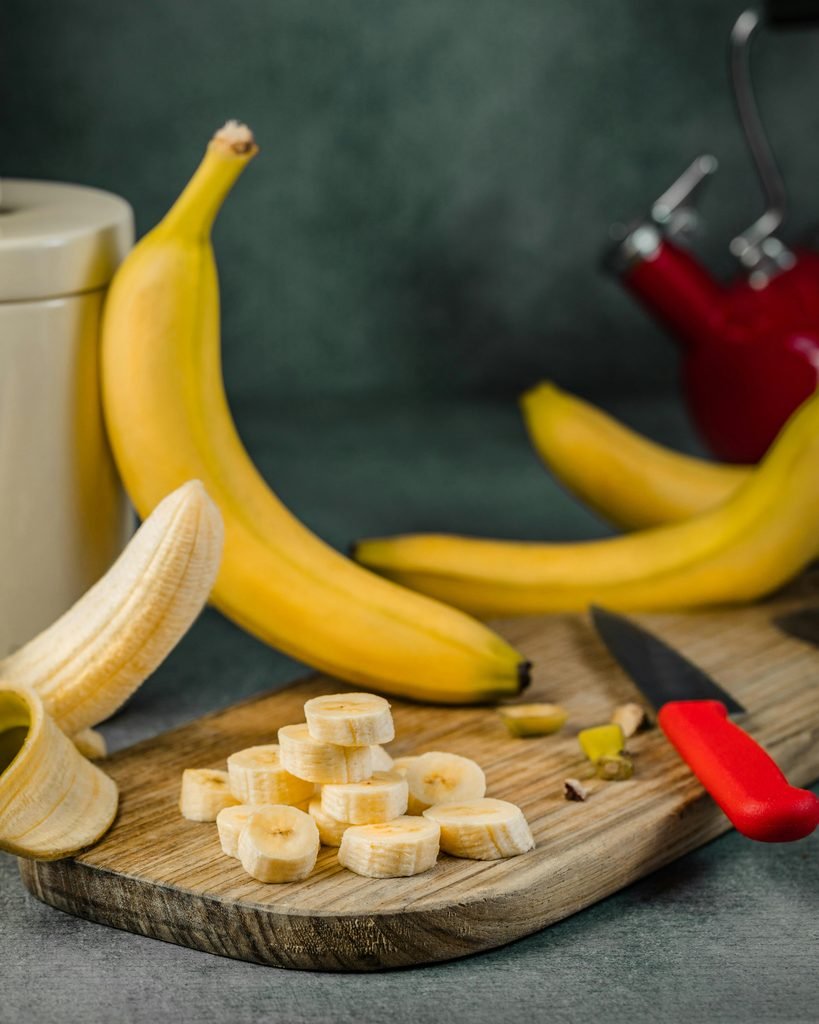
Yes. Hamsters can eat some fresh fruits as occasional treats, but fruit should stay a small extra rather than a major part of the diet. The fruits with the clearest support from current hamster-care sources include apple flesh with the seeds removed, banana, blueberry, strawberry, and pear. Both Woodgreen Pets Charity and PetMD’s dwarf hamster care guidance include these fruits.
There is one important complication: reputable sources disagree about grapes. That makes grapes a food I would skip rather than confidently label either safe or toxic.
The best-supported fruits for hamsters
Instead of building a huge “safe fruit” list from foods that appear repeatedly on pet blogs, it makes more sense to start with fruits that are actually named in reputable hamster-care guidance.
| Fruit | Practical verdict | Preparation |
|---|---|---|
| Apple | Yes, occasionally | Remove the seeds |
| Banana | Yes, occasionally | Serve plain |
| Blueberry | Yes, occasionally | Wash before serving |
| Strawberry | Yes, occasionally | Wash before serving |
| Pear | Yes, occasionally | Remove seeds |
Woodgreen specifically includes apple, pear, strawberries, blueberries, and banana among fruits hamsters can have in small amounts. PetMD’s dwarf hamster care sheet independently lists the same group.
That overlap is more useful than trying to turn every fruit in the supermarket into a yes-or-no feeding rule. If a fruit is not on this list, that does not automatically make it dangerous. It simply means I would check that fruit individually rather than assume it is safe because another fruit is.
For the broader feeding framework, see what hamsters can eat.
What about grapes?
Grapes are a good example of why hamster food advice needs more nuance.
The RSPCA advises against giving grapes to hamsters, while Woodgreen lists grapes among fruits that can be offered as an occasional treat.
Those are both reputable animal welfare organizations, so pretending that the evidence is completely settled would be misleading.
My practical recommendation is simple: skip grapes. There are several fruits with clearer agreement between reputable sources, so there is little reason to choose the one with conflicting guidance.
That is different from claiming that grapes have been proven toxic to hamsters. The sources simply do not agree.
For other foods where safety matters more than variety, see foods toxic to hamsters.
How much fruit can a hamster have?
There is no good reason to invent a different measurement for every fruit.
Woodgreen gives a much simpler guideline: treats should be roughly the size of the hamster’s ear, offered once or twice a week. Its list of suitable treats includes small pieces of fresh fruit. Blue Cross similarly recommends keeping fresh-food portions very small.
That is a better basis for feeding than rules such as “half a blueberry for a Syrian” or “one quarter of a berry for a dwarf” unless a reliable source actually provides those measurements.
Fruit is still an extra. A nutritionally appropriate hamster food should remain the foundation of the diet, with fresh foods added in small amounts rather than used as nutritional supplements. The RSPCA recommends a formulated hamster ration as the basis of the diet alongside small quantities of fresh foods.
Can dwarf hamsters eat fruit?
The blanket advice that all dwarf hamsters are genetically prone to type 2 diabetes and therefore need an almost fruit-free diet is too broad.
Different hamster species and breeding lines should not automatically be treated as having the same metabolic risk. Current PetMD guidance for dwarf hamsters still permits fruit in limited quantities and specifically lists apples, pears, strawberries, bananas, and blueberries as safe options. Diabetes is also included among health conditions seen in dwarf hamsters, but that does not turn every piece of fruit into a diabetes trigger.
Campbell’s dwarf hamsters and some related breeding lines deserve more metabolic caution than a blanket statement about every hamster commonly called a “dwarf.” Roborovski, Winter White, Campbell’s, and hybrid hamsters should not be presented as having one identical risk profile.
If your hamster has diagnosed diabetes, that is different. Follow the diet recommended by a hamster-experienced veterinarian rather than using a generic fruit schedule.
For everyday fresh-food ideas that are not centered on fruit, see safe vegetables for hamsters.
Fruit seeds and pits should be removed
Removing fruit seeds and pits is one precaution that does have direct hamster-specific veterinary support.
PetMD recommends removing seeds and pits before giving fruit to a hamster and specifically lists apple seeds, cherry pits, and other fruit pits among foods to avoid.
You do not need to treat every tiny edible seed in every berry as a choking emergency. The practical rule is to remove the obvious seeds, stones, pits, or cores from fruits such as apples and stone fruits before serving them.
What about citrus fruit?
Citrus is best left off the menu.
PetMD advises avoiding citrus fruit for hamsters and associates it with gastrointestinal problems.
That is enough reason to skip oranges, lemons, limes, and similar citrus fruits. There is no need to add unsupported claims about citrus inevitably causing mouth sores or speculate about individual peel compounds when direct hamster guidance already gives a practical answer.
Is dried fruit unsafe for hamsters?
I would not label every dried fruit “toxic.”
PetMD includes some dried or freeze-dried foods among possible hamster treats, so a blanket statement that hamsters must never eat dried fruit is difficult to support.
Still, dried fruit is unnecessary. If you want to offer fruit, a small piece of plain fresh fruit from the well-supported list above is a simpler choice.
Raisins deserve separate caution because they are dried grapes, and reputable hamster sources already disagree about grapes themselves.
How to serve fruit safely
A few practical steps matter more than complicated portion charts:
- Wash fresh fruit before serving.
- Remove pits, stones, cores, and obvious fruit seeds where appropriate.
- Keep the serving small. Woodgreen’s ear-size treat guideline is a useful reference.
- Keep fruit occasional rather than making it part of every meal.
- Introduce dietary changes gradually rather than suddenly.
- Remove uneaten fresh food before it spoils, especially because hamsters often carry food away and hoard it.
Woodgreen advises introducing new foods gradually, while Blue Cross and PetMD both emphasize careful management of fresh foods in the enclosure.
What if my hamster eats too much fruit?
Remove the remaining fruit and keep an eye on your hamster’s normal eating, drinking, activity, and droppings.
Do not use a rigid home-treatment rule such as withholding fresh food for 24 or 48 hours. The RSPCA advises seeking veterinary help if a hamster begins eating less, develops moist droppings, or has a soiled hindquarters. PetMD also lists diarrhea and loss of appetite among symptoms that warrant veterinary attention.
Significant lethargy, weakness, persistent diarrhea, reduced appetite, or a notable change in normal behavior also deserves prompt veterinary advice.
Frequently asked questions
Is watermelon safe for hamsters?
I could not find strong hamster-specific guidance for watermelon from the higher-quality sources used for this article. That does not prove watermelon is unsafe, but it also means I would not confidently add it to a “proven safe” list.
If you simply want to give your hamster some fruit, apple flesh, pear, strawberry, blueberry, or banana has clearer support.
Can dwarf hamsters eat blueberries?
Yes. PetMD’s current dwarf hamster care guidance specifically lists blueberries among safe fruit options. Keep fruit limited and remember that it is an extra, not a required part of the diet.
Are grapes safe for hamsters?
The guidance conflicts. Woodgreen says grapes can be offered occasionally, while the RSPCA advises against them. Because there are plenty of less controversial alternatives, skipping grapes is the simplest option.
Do hamsters need fruit?
No. Fruit can provide variety and enrichment, but it is not something you need to add as a nutritional supplement. A complete, appropriate hamster diet remains far more important than any individual fruit.
Bottom line
The safest way to approach fruit is not to build the longest possible list. Start with the options that have clear hamster-specific support: apple flesh without seeds, banana, blueberry, strawberry, and pear.
Offer fruit as a small occasional treat, remove seeds and pits where relevant, and let the hamster’s complete diet do the nutritional heavy lifting.