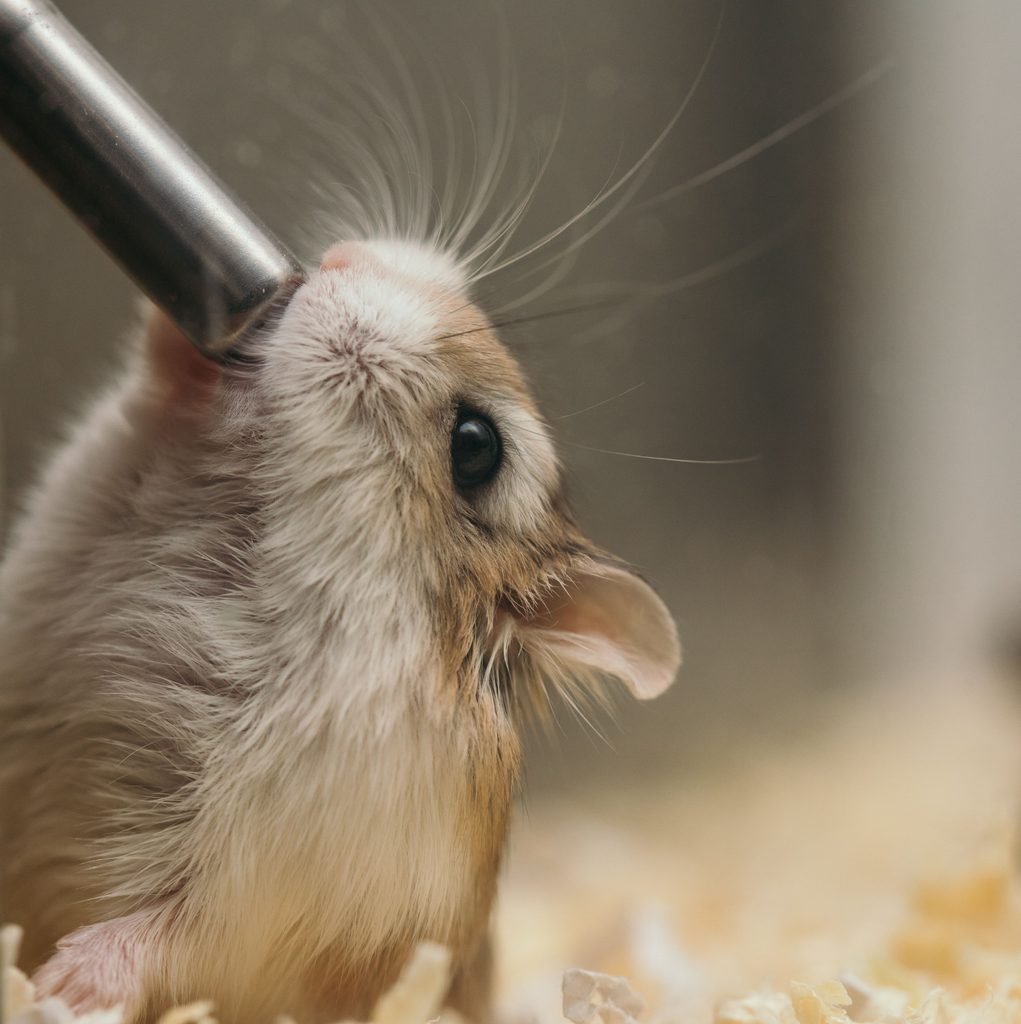
Fresh, clean water should be your hamster’s normal drink and should be available at all times. There is no need to offer milk, juice, tea, flavored water or other drinks for variety. If a veterinarian prescribes an oral fluid or electrolyte solution because your hamster is ill, follow that veterinary advice rather than a general “water only” rule.
The practical questions are less about finding alternative drinks and more about making sure your hamster can actually reach clean water, choosing a bottle or bowl that works, and noticing meaningful changes in how much it drinks.
Is water the only drink a hamster needs?
Yes. For a healthy hamster, plain fresh water is all that is needed for routine hydration.
The RSPCA says hamsters need a constant supply of fresh, clean drinking water. Merck Veterinary Manual gives the same basic guidance: fresh, clean water should always be available.
That does not mean every other liquid has been proven poisonous to hamsters. It means alternative drinks are unnecessary and may introduce ingredients that do not belong in the normal diet.
For the broader feeding framework, see what hamsters can eat.
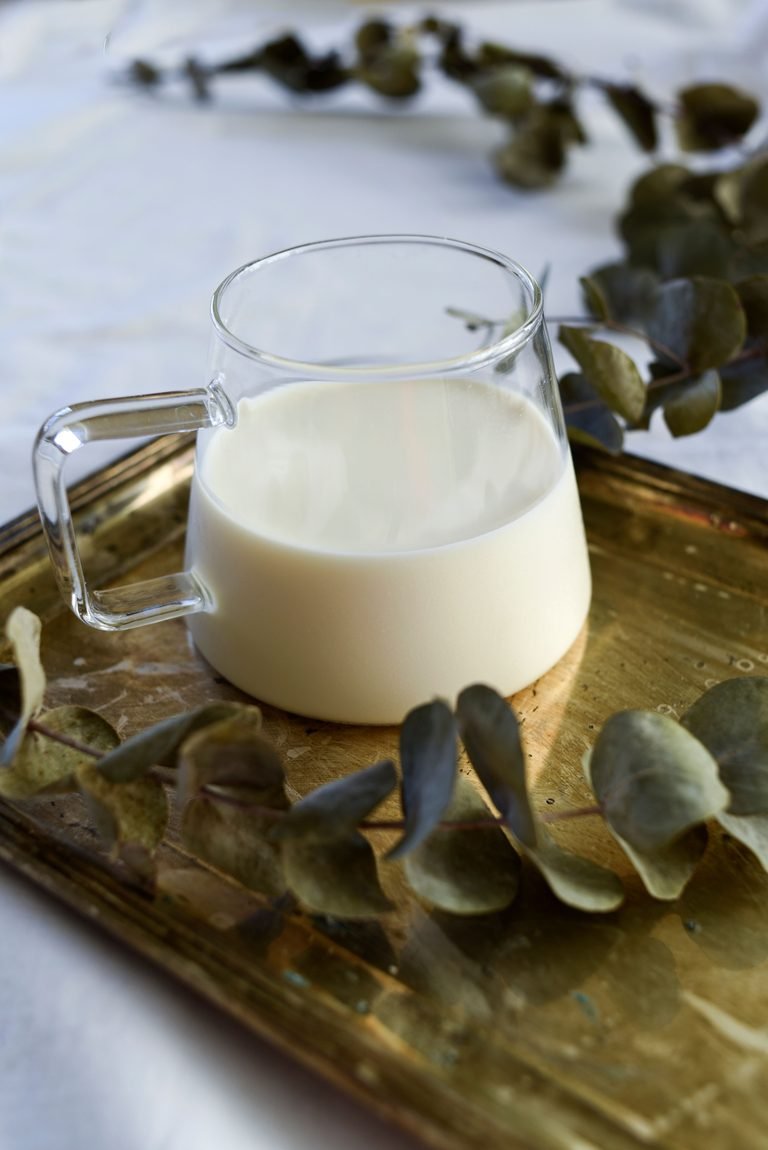
Can hamsters drink milk?
I would not offer milk as a regular hamster drink, but not because hamsters have been proven lactose intolerant.
That common claim does not fit the evidence very well.
A published study on adult golden hamsters found that the animals voluntarily consumed substantial amounts of lactose without noticeable adverse effects. The researchers suggested that fermentation in the hamster’s pregastric pouch may help explain this unusual lactose tolerance.
The study is important, but its limits matter too. It involved golden hamsters, and it investigated lactose consumption rather than whether pet hamsters benefit from drinking cow’s milk.
So the sensible conclusion is:
Milk is unnecessary, but “hamsters cannot digest lactose” is not a good blanket explanation for avoiding it.
Water remains the appropriate routine drink.
Can hamsters drink juice?
I would skip fruit juice.
Fresh fruit is already an optional extra in a hamster diet. Turning fruit into juice removes the practical portion control of a small piece of fruit and creates a concentrated sweet drink that offers no hydration advantage over water.
Sweetened juice, juice drinks and products containing additional ingredients are even less useful.
That does not mean a tiny accidental lick of ordinary juice should automatically be treated as poisoning. Remove the drink, restore access to fresh water and check what ingredients were in it.
What about tea, coffee and alcohol?
Do not offer them.
PetMD’s Syrian hamster care guidance specifically warns against caffeine and alcohol.
Coffee, caffeinated tea and alcoholic drinks therefore belong in a different category from something merely unnecessary such as plain milk. There is direct veterinary guidance telling owners to keep caffeine and alcohol away from hamsters.
Herbal tea is less straightforward because “herbal tea” can contain many different plants and ingredients. Rather than claiming that every herbal tea damages a hamster’s liver or kidneys, simply do not use it as a substitute for water.
Can hamsters drink electrolyte water or sports drinks?
Do not routinely put sports drinks or human electrolyte drinks in a hamster’s enclosure.
The original claim that human electrolyte concentrations are inherently toxic to hamsters is stronger than the evidence supports.
Veterinarians do use fluids and electrolyte solutions medically when treating dehydrated hamsters. Merck Veterinary Manual discusses fluid replacement as part of treatment for dehydrated hamsters with serious gastrointestinal disease.
The important difference is that this is medical treatment, not a hydration hack.
If your hamster is ill or dehydrated, do not improvise with a sports drink. Contact a hamster-experienced vet and use an oral fluid only if you are instructed to do so.
Water bottle or bowl: which is better?
Both can work.
This is another place where hamster-care sources are more nuanced than the common claim that bottles are always superior.
The RSPCA prefers a water bottle with a valveless sipper tube. It also makes an important point that many owners miss: hamsters do not apply very strong suction, so some traditional ball-valve tubes may create too much resistance, particularly for young, old or sick hamsters.
However, other reputable sources accept bowls.
Blue Cross says fresh water can be supplied in either a water bottle or small water bowl.
Merck Veterinary Manual also refers to a hamster’s water bowl or bottle, and veterinarian-reviewed PetMD guidance accepts a secure bottle, a heavy bowl or both.
So I would not tell owners that using a bowl is automatically inferior.
A bottle may work better when:
- Your hamster uses it comfortably.
- Bedding frequently gets into a bowl.
- Your hamster tips or buries bowls.
- You can easily verify that the sipper is flowing.
A bowl may work better when:
- Your hamster struggles with a bottle.
- You use a shallow, stable container that cannot easily tip.
- You can keep bedding and food out of it.
- You are willing to check and clean it frequently.
The best setup is the one that gives the individual hamster reliable access to clean water.
How much water does a hamster drink?
There is no single number that works as a daily quota for every pet hamster.
Older reference data collected from laboratory hamsters show substantial variation.
The National Academies’ Nutrient Requirements of Laboratory Animals reports average consumption in golden hamsters of about 8.5 ml per 100 g of body weight per day, but the underlying results ranged considerably between males and females. It also reports different values for Chinese hamsters.
Merck’s current physiological reference table gives 30 ml per day as typical water consumption for adult golden hamsters under specified laboratory conditions and explicitly notes that intake varies with factors such as body size, moisture in the diet and temperature.
Those figures are useful as physiological context.
They are not good enough to create this table:
Syrian = 10 to 20 ml
Campbell’s = 3 to 6 ml
Winter White = 3 to 5 ml
Roborovski = 2 to 3 ml
I could not find authoritative evidence supporting those neat species-by-species pet ranges.
For an owner, your hamster’s normal pattern is often more useful than calculating a target from body weight.
Why can water intake change?
Water consumption is not perfectly fixed.
Merck notes that normal water intake can vary with factors including moisture in the food, temperature and body size.
That means some day-to-day variation is expected.
More useful than worrying about whether your hamster drank exactly 8, 10 or 12 ml is noticing a clear change from its usual drinking behavior, especially when accompanied by other changes such as reduced appetite, weight loss, diarrhea or lethargy.
The RSPCA recommends keeping an eye on how much a hamster eats and drinks and contacting a vet if concerning changes occur.
How often should hamster water be changed?
Change the water daily.
Blue Cross specifically recommends changing fresh water every day, while PetMD says water bowls and bottles should be cleaned and thoroughly rinsed daily.
Merck also recommends regularly cleaning and sanitizing the water container, usually daily.
When using a bottle:
- Check that water can actually flow.
- Inspect the nozzle for blockage or damage.
- Check the bedding below it for leaking water.
- Do not assume a full bottle means the hamster can drink from it.
The RSPCA specifically recommends checking bottles every day for leaks and blockages.
When using a bowl:
- Choose something shallow and stable.
- Replace water if bedding or food falls into it.
- Clean the bowl daily.
Can you use soap to clean a hamster water bottle?
Yes, provided it is appropriate and thoroughly rinsed.
The original article said to use warm water only because soap residue is difficult to remove. That is unnecessarily restrictive.
PetMD specifically recommends cleaning hamster water equipment with fragrance-free dish soap and rinsing it thoroughly.
Blue Cross recommends warm water and a bottle brush.
The important point is not “never use soap.” It is to leave the water container clean and thoroughly rinsed, without detergent or disinfectant residue.
How can you tell if a hamster is dehydrated?
Do not rely on a home skin-tent test to diagnose dehydration in a hamster.
Skin turgor is used by veterinarians as part of hydration assessment in animals, but I could not find good hamster-specific owner guidance validating the scruff-pinch test as a reliable way to estimate dehydration at home.
Hamsters can become dehydrated rapidly when they are ill. Merck Veterinary Manual specifically warns that diarrhea and other illnesses can cause rapid dehydration and may require veterinary fluid treatment.
More useful warning signs of illness include:
- Reduced appetite
- Unusual inactivity or lethargy
- Weight loss
- Hunched posture
- A rough or scruffy coat
- Diarrhea or a soiled rear end
- Trouble breathing
If your hamster seems unwell and you also suspect it has not been drinking, first make sure its water source is functioning and contact a hamster-experienced vet promptly.
Do not force water into the mouth unless a veterinarian has shown you how to do so.
My hamster barely drinks. Should I worry?
Not necessarily.
Hamsters often drink when their owners are not watching, and normal intake varies between individuals.
Instead of judging from how often you personally see your hamster at the bottle, check whether water is actually disappearing over time and make sure the bottle is functioning.
A hamster that has always appeared to drink relatively little but remains active, maintains weight and eats normally is different from a hamster whose drinking suddenly changes alongside other symptoms.
A noticeable change in drinking behavior, particularly together with increased urination, weight change, reduced appetite or lethargy, is worth discussing with a veterinarian.
Can hamsters drink tap water?
The important requirement is clean, safe drinking water.
If your household tap water is considered safe for human consumption, there is generally no reason to turn hamster hydration into a complicated mineral-water regimen.
If you have a genuine concern about the safety of your local water supply, use another source of potable drinking water.
I would not create unsupported hamster-specific limits for chlorine, minerals or sodium unless your veterinarian has identified a reason to manage those factors.
The bottom line
A healthy hamster needs constant access to fresh, clean water. It does not need milk, juice, flavored water, tea or another beverage for variety.
A bottle is not automatically better than a bowl. RSPCA prefers a suitable sipper bottle, while Merck, Blue Cross and PetMD all recognize bowls as an acceptable option when they are stable and kept clean.
There is also no need to force every hamster into a fixed 10 ml per 100 g per day target. Published values vary by species, sex and study conditions, and water consumption changes with factors such as diet and temperature.
What matters most at home is reliable access to water and recognizing a meaningful change from your hamster’s normal drinking pattern.
Keep reading: What can hamsters eat? | Signs of a sick hamster | Do hamsters need a vet?
Hamster Corner provides general educational information about hamster care. It is not a substitute for professional veterinary advice. If your hamster is not drinking normally and appears unwell, contact a hamster-experienced vet promptly.