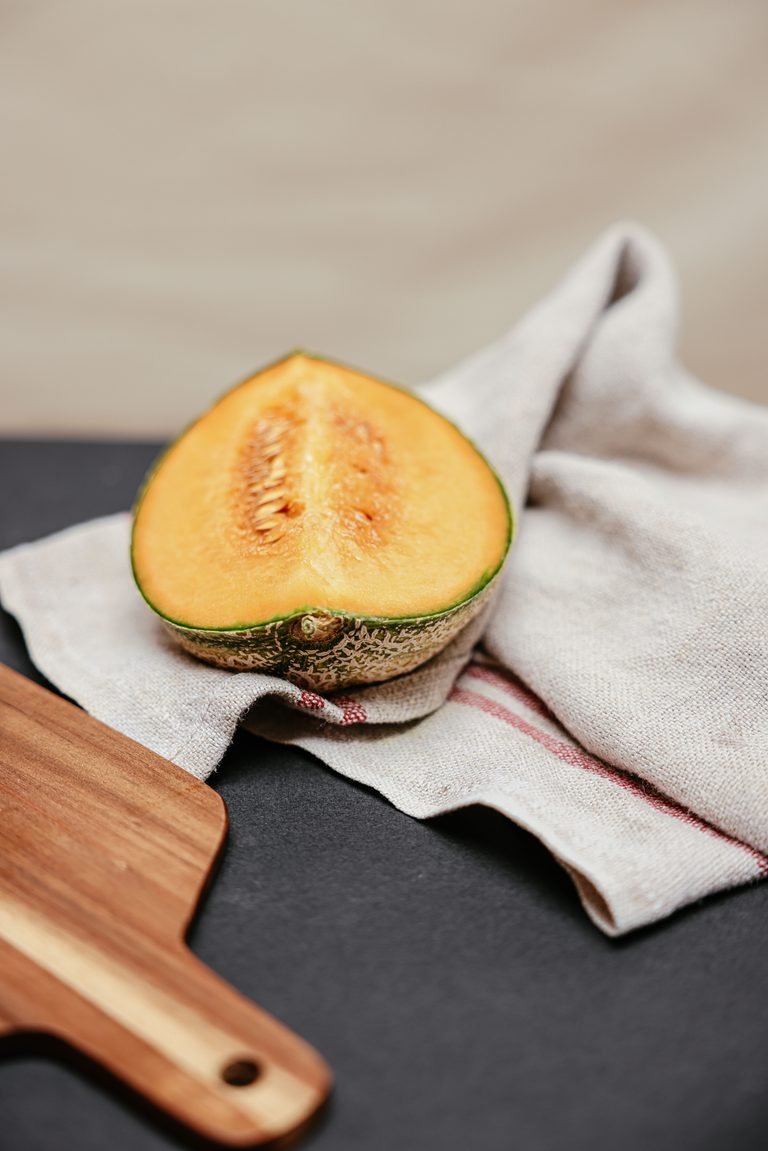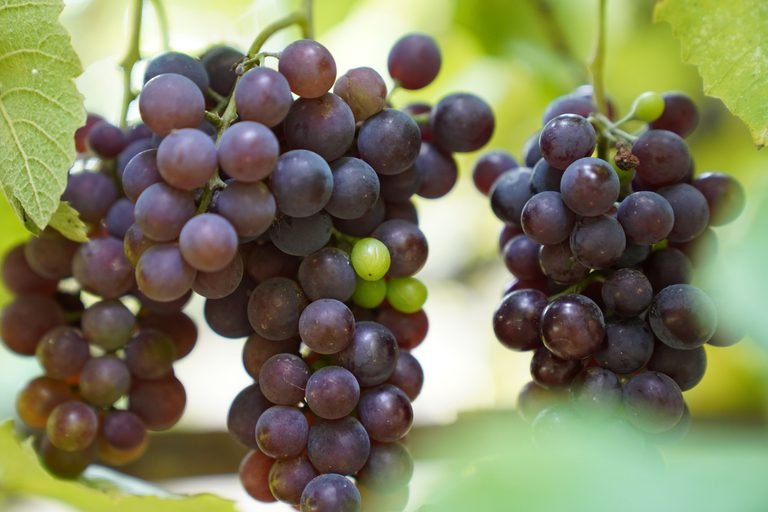
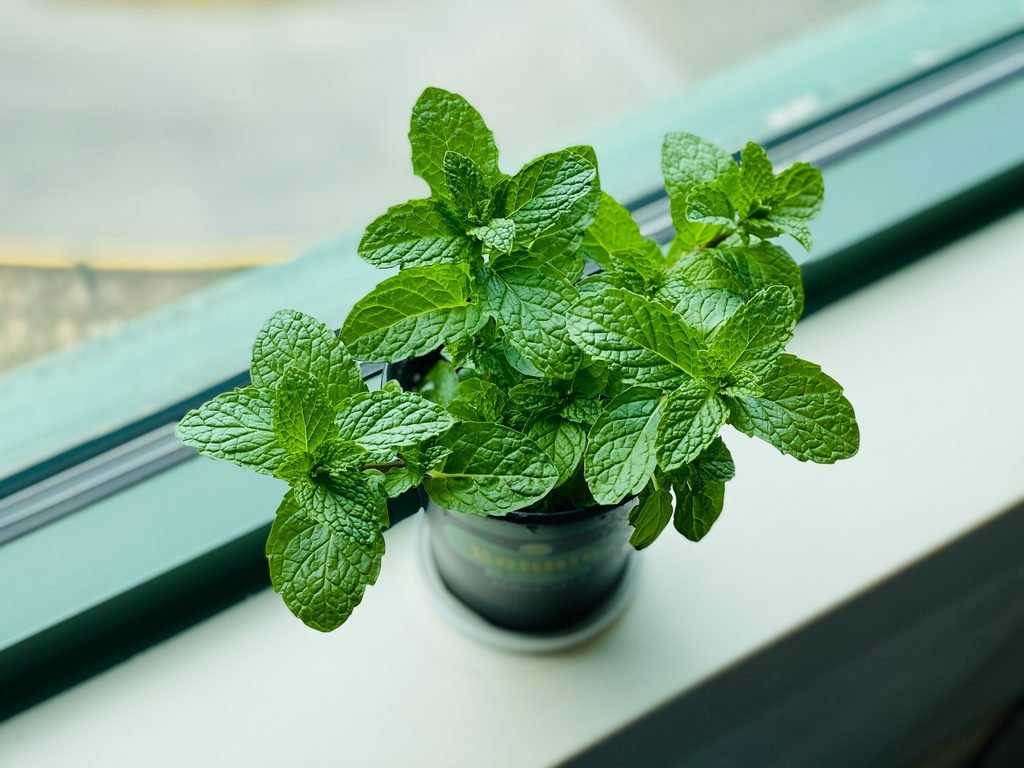
Yes, hamsters can eat a small amount of plain mint. Fresh or dried culinary mint can be offered occasionally alongside a balanced hamster diet. Start with a tiny amount, especially if your hamster has never tried it before.
The important distinction is between mint leaves and concentrated or processed mint products. Plain leaves are one thing. Peppermint oil, mint extract, candy, sweetened tea, and mint-flavored human foods are not appropriate hamster treats.
Is mint safe for hamsters?
Plain culinary mint is considered an acceptable herb for hamsters in small amounts. Woodgreen Pets Charity includes mint among the fresh or dried herbs that can be offered as part of a hamster’s varied diet.
That does not mean your hamster needs mint or should eat a large bunch of it. A nutritionally complete hamster food should still make up the foundation of the diet, with herbs and other fresh foods used as extras.
If mint is new to your hamster, introduce only a small piece first. Sudden dietary changes can upset a hamster’s digestive system.
Some hamsters may eat mint immediately, while others may sniff it and leave it alone. There is no need to encourage a hamster that does not seem interested.
How much mint can a hamster eat?
There is no established veterinary serving size specifically for mint, so recommendations such as exactly two leaves three times a week create more precision than the evidence supports.
For a first serving, a small piece of a clean mint leaf is enough.
A Syrian hamster can have a slightly larger piece than a dwarf simply because of the difference in body size. There is no need to turn mint into a scheduled daily or several-times-a-week food.
Think of it as one of many optional fresh foods rather than something your hamster needs regularly.
| Hamster | A sensible starting amount |
|---|---|
| Syrian hamster | A small piece of fresh mint leaf |
| Dwarf hamster | A smaller piece of fresh mint leaf |
If the first serving causes no change in appetite or droppings, you can continue offering mint occasionally as part of a varied diet.
For more feeding guidance, see what hamsters can eat, foods toxic to hamsters, and safe vegetables for hamsters.
How to prepare fresh mint for a hamster
Use plain culinary mint intended for eating.
Wash the leaf under running water and shake or pat off the excess moisture. Tear off a small piece and offer it on its own, without dressing, sugar, honey, or other ingredients.
Fresh food can be carried into a hamster’s nest and stored for later. Check the enclosure for uneaten mint and remove it before it begins to wilt or spoil.
This matters because hamsters naturally hoard food. A fresh leaf that disappears from the food bowl may be sitting somewhere under the bedding rather than already eaten.
What about mint from the garden?
Home-grown mint can be used if you know exactly what the plant is and know it has not been treated with pesticides, herbicides, or other garden chemicals.
Do not pick an unfamiliar plant simply because it smells minty. If you cannot confidently identify it, leave it out.
Supermarket mint sold for culinary use is the simpler option when you are uncertain about a plant growing outdoors.
Can hamsters eat dried mint?
Yes, plain dried mint can also be offered in a very small amount.
Woodgreen includes both fresh and dried herbs such as mint among foods that can be offered to hamsters.
Check the ingredient list if you are using a packaged product. It should simply be dried mint rather than a seasoning blend containing salt, garlic, onion, flavorings, or other added ingredients.
A small pinch or a few dried pieces is plenty. Dried mint is optional enrichment, not a supplement your hamster requires.
Can hamsters eat peppermint?
Plain peppermint leaves fall under the same general rule as culinary mint: keep the amount small and serve them plain.
The word “peppermint,” however, appears on many products that are completely different from a fresh leaf.
Do not assume that something is hamster-safe simply because peppermint is listed on the label.
Peppermint candy, chocolate mints, flavored syrups, chewing gum, desserts, and similar human foods should stay off the menu.
Can hamsters have peppermint oil or mint extract?
Do not give peppermint essential oil or mint extract to a hamster.
These are concentrated products, not ordinary herbs, and there is no reason to add them to a hamster’s food or drinking water.
The same applies to putting drops of peppermint oil on food as a supposed health remedy. A fresh herb being suitable in a small amount does not mean its concentrated extract should be treated the same way.
You also should not use mint oil as a substitute for veterinary treatment if your hamster has respiratory, digestive, or other health problems.
Can hamsters drink mint tea?
Mint tea is unnecessary.
If the tea contains nothing except mint and water, a tiny accidental taste is different from drinking a sweetened beverage. But there is no nutritional reason to serve tea to a hamster when fresh drinking water should always be available.
Tea blends may also contain several herbs, flavorings, caffeine-containing ingredients, or sweeteners, making their safety harder to judge from the word “mint” on the package alone.
The simpler choice is to offer a small piece of plain mint leaf and keep your hamster’s water bottle filled with fresh water.
Can dwarf hamsters eat mint?
Yes, dwarf hamsters can have a small amount of plain mint.
There is no need to justify mint primarily through its sugar content. Whether a food is low in sugar does not automatically make unlimited amounts appropriate.
Dwarf hamsters are much smaller than Syrians, so start with a smaller piece and keep mint as an occasional extra.
A balanced hamster food should remain far more important than any individual herb.
What if my hamster eats too much mint?
Eating more mint than intended does not automatically mean your hamster has been poisoned.
Remove the remaining mint and watch for changes such as unusually soft droppings, reduced appetite, or abnormal behavior. Avoid adding more new foods while you are monitoring your hamster.
If your hamster develops diarrhea, stops eating, becomes unusually lethargic, or otherwise appears unwell, contact an exotic veterinarian.
If the product eaten was mint oil, an extract, candy, chocolate, or another processed mint product, check the complete ingredient list rather than assuming mint itself is the only concern.
Is mint a good enrichment food?
It can add a little variety, but it should not be oversold.
Hamsters can explore foods through smell, touch, gathering, and eating, so introducing a small amount of a safe herb may give them something different to investigate. You can place a small piece in the food area or scatter a tiny amount of dried mint with other appropriate forage.
But mint is not essential enrichment. Deep bedding, places to hide, opportunities to forage, suitable chew materials, and an appropriately sized wheel matter far more to a hamster’s overall welfare.
The bottom line
Hamsters can eat a small amount of plain fresh or dried mint. Start with a tiny piece and treat mint as an occasional addition to a balanced diet rather than a food that needs to be served on a schedule.
Fresh culinary mint and plain dried mint are the simplest options. Avoid peppermint oil, mint extract, candy, sweetened products, and complicated herbal blends.
If your hamster does not like mint, skip it. There is no nutritional reason to convince them to eat it when plenty of other appropriate foods are available.
Keep reading: What can hamsters eat? | Foods toxic to hamsters | Safe vegetables for hamsters
Hamster Corner provides general educational information about hamster care and nutrition. It is not a substitute for advice from a qualified exotic veterinarian. If your hamster stops eating, develops diarrhea, or shows other signs of illness, contact an exotic vet.