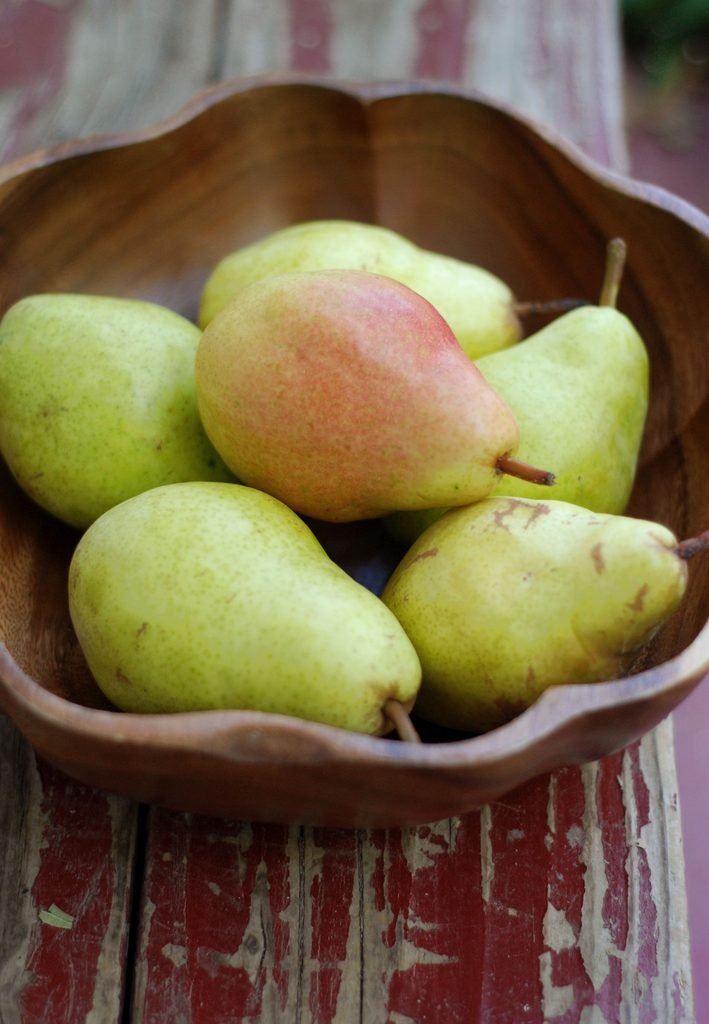
Yes. Hamsters can eat small pieces of fresh pear occasionally. Both Woodgreen Pets Charity and PDSA list pear among suitable fruits for hamsters. Keep it as a small extra alongside a complete hamster diet, and remove the seeds before serving.
Pear does not need a special “raisin-sized Syrian portion” or a separate dwarf serving schedule. There is also no good reason to automatically peel it or describe all dwarf hamsters as diabetes-prone.
Are pears safe for hamsters?
Yes. Woodgreen Pets Charity specifically includes pear on its list of safe fruits for hamsters, alongside apple, strawberries, blueberries and banana.
PDSA also lists pear among fruits suitable for hamsters.
That gives pear a fairly straightforward verdict: fresh pear can be offered in a small amount as an occasional extra.
It should not replace the hamster’s staple food. A nutritionally appropriate hamster food should remain the foundation of the diet, while fruit provides variety rather than an essential nutrient source.
For the broader feeding framework, see what hamsters can eat.
How much pear can a hamster eat?
There is no authoritative hamster-specific rule saying a Syrian should receive a raisin-sized piece once a week while a dwarf should receive a smaller sliver.
Woodgreen gives a more useful general guideline: keep treat portions roughly the size of your hamster’s ear and offer treats once or twice a week.
That guideline naturally scales with the individual hamster without inventing separate measurements for each species.
PDSA uses a somewhat different overall feeding approach and allows small amounts of fresh fruit, vegetables and herbs as part of the daily fresh-food allowance. This is a good example of why feeding advice should not be turned into a rigid universal schedule.
The practical point is simpler: keep pear small and make sure fresh extras do not crowd out the complete staple diet.
Should you remove pear seeds?
Yes. Removing the seeds is a simple conservative precaution.
Pear seeds contain cyanogenic glycosides, including amygdalin, compounds that can release cyanide under certain conditions. Food-safety testing has detected these compounds directly in pear seeds.
That does not mean there is an established hamster poisoning dose for a single pear seed. I could not find hamster-specific research defining how many pear seeds would cause toxicity.
So the evidence supports:
Remove the seeds before serving pear.
It does not justify:
One pear seed will poison a hamster.
There is no benefit to feeding the seeds anyway, so removing them is the easiest option.
Do you need to peel pear for a hamster?
Not necessarily.
I could not find authoritative hamster-specific guidance showing that pear skin itself is unsafe.
Instead of automatically peeling the fruit because the skin might contain “residue,” wash the pear thoroughly before cutting it. PDSA recommends washing fruits and vegetables before offering them to hamsters.
If you prefer to peel it, that is also fine. It is simply a preparation choice rather than a safety requirement established by hamster-specific evidence.
Can dwarf hamsters eat pear?
Yes, but avoid turning this into a blanket diabetes rule for every dwarf hamster.
PDSA specifically notes that Russian dwarf hamsters are particularly prone to diabetes and advises against overfeeding sugary fruits and vegetables.
That is not the same as saying every Roborovski, Campbell’s, Winter White or other hamster grouped under the word “dwarf” has the same diabetes risk.
Pear can therefore remain a small occasional fruit for a healthy dwarf hamster without creating a separate unsupported rule such as “one tiny sliver per month.”
If your hamster has diagnosed diabetes or another condition requiring dietary management, follow your vet’s feeding recommendations rather than a generic online fruit schedule.
Is pear too sugary for hamsters?
Pear contains natural sugar, and that is one reason fruit should remain a relatively small part of the overall diet.
PDSA cautions against overfeeding sugary fruits and vegetables because excess can contribute to problems such as obesity and diabetes.
But this should not be exaggerated into “pear causes diabetes” or “pear is unsafe because it is sugary.” The same PDSA guidance explicitly lists pear as a suitable hamster fruit.
The decision is therefore about moderation, not avoiding pear altogether.
There is also no need to rank every vegetable and fruit according to sugar content and then declare low-sugar foods automatically safer. Hamster-specific feeding guidance matters more than a human nutrition chart.
How to prepare pear for a hamster
Preparation is simple:
- Wash the pear thoroughly.
- Remove the seeds.
- Cut off a small piece.
- Serve it plain, without sugar, syrup, seasoning or other ingredients.
- Remove uneaten fresh pear during your daily enclosure check.
Hamsters naturally carry food into their burrows, so a missing piece has not necessarily been eaten.
Fresh, moist foods can spoil when hidden in bedding. The RSPCA recommends removing uneaten fresh food regularly rather than allowing it to remain in the enclosure.
Can hamsters eat canned pear?
It depends on what is in the can.
The original answer “no, canned pear is packed in syrup” is too broad because not every canned pear product is prepared the same way.
I would skip pears packed in syrup or with added sugar. Hamsters do not need sweetened fruit.
A plain product packed without added sugar is not automatically known to be toxic, but there is also little reason to choose it when fresh pear is readily available and better supported by hamster feeding guidance.
Fresh, washed pear is the simpler option.
Can hamsters eat dried pear?
I would skip dried pear when fresh pear is available.
Removing water concentrates the fruit into a much smaller piece, making it easier to offer considerably more fruit than intended. Some dried products also contain added sugar or other ingredients.
There is no nutritional need for a hamster to eat dried pear, so fresh pear in a small amount is the more straightforward choice.
What if my hamster eats a pear seed?
If your hamster accidentally eats a single pear seed, do not panic or try a home treatment.
Remove any remaining seeds and fruit, and monitor your hamster’s normal behavior, appetite and activity.
Pear seeds do contain cyanogenic glycosides, but I could not find hamster-specific evidence establishing a toxic dose. That means it would be inappropriate to predict poisoning from one incidental seed.
If your hamster eats several seeds, consumes a large amount of an unknown plant part, or develops significant lethargy, weakness, breathing changes, neurological signs or another notable change, contact a hamster-experienced vet.
Do not induce vomiting, force water, give milk or fast your hamster.
Frequently asked questions
Can Syrian hamsters eat pear?
Yes. Pear is specifically listed as a suitable hamster fruit by Woodgreen and PDSA. Keep it to a small amount alongside the normal complete diet.
Can dwarf hamsters eat pear?
Yes. There is no evidence supporting a blanket ban on pear for every dwarf hamster. Keep fruit portions small, and if your hamster has diagnosed diabetes, follow your vet’s dietary advice.
Can hamsters eat pear skin?
I could not find authoritative hamster-specific evidence showing pear skin is unsafe. Wash the fruit thoroughly before serving it. Peeling is optional rather than a proven safety requirement.
The bottom line
Hamsters can eat fresh pear in small amounts. Woodgreen and PDSA both specifically list pear among suitable hamster fruits.
Remove the seeds as a simple precaution because pear seeds contain cyanogenic glycosides, but do not exaggerate this into an unsupported claim that one seed is known to poison a hamster.
There is also no need for a raisin-sized Syrian rule, a separate dwarf schedule or mandatory peeling. Keep the portion small, serve the fruit plain and let the complete hamster diet do the nutritional heavy lifting.
Keep reading: What can hamsters eat? | Safe vegetables for hamsters | Foods toxic to hamsters | Can hamsters eat apples?
Hamster Corner provides general educational information about hamster care. It is not a substitute for professional veterinary advice. If your hamster becomes unwell or requires a medically managed diet, contact a hamster-experienced vet.