
Hamster Profiles
Dwarf vs Syrian hamster: which should you get?
Choose a Syrian if you want a larger hamster that is generally easier to hold securely. Choose a dwarf hamster…

Jenny B. covers the everyday questions that come with caring for a hamster, especially health, behavior, housing, and the moments when an owner is not sure whether something is normal. She focuses on sorting practical concerns from real warning signs and making hamster welfare guidance easier to use at home.
Choose a Syrian if you want a larger hamster that is generally easier to hold securely. Choose a dwarf hamster…
For many first-time owners who want to handle their hamster, a Syrian is the most practical choice because its larger…
The Chinese hamster is a small, slender hamster with a noticeably longer tail than the Syrian and Phodopus dwarf species….
Campbell’s dwarf hamsters are small Russian dwarf hamsters, usually around 8 to 10 cm long, with a dark dorsal stripe…
Winter White hamsters are small Russian dwarf hamsters best known for their ability to develop a paler winter coat in…
Roborovski dwarf hamster: care, housing and temperament Roborovski hamsters are the smallest commonly kept pet hamster species, usually around 1…
The Syrian hamster is the largest and most popular pet hamster, at 5 to 7 inches long and living 2…
There are five hamster species commonly kept as pets: Syrian, Roborovski, Winter White, Campbell’s and Chinese hamsters. Syrians are the…
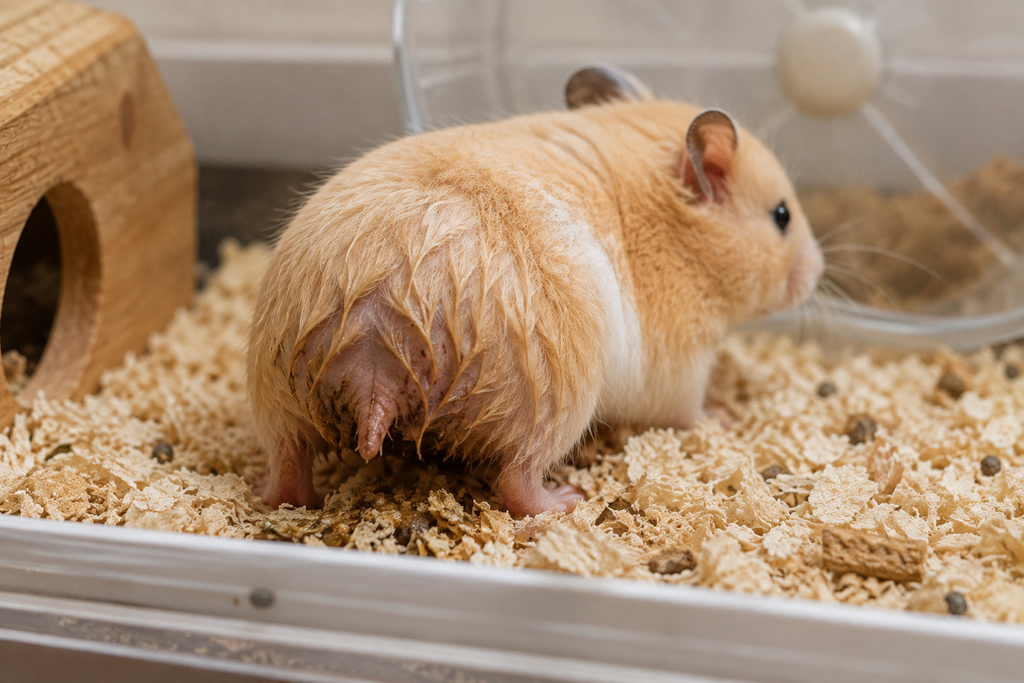
Wet tail usually refers to diarrhea that leaves the fur around a hamster’s rear wet or soiled. In young hamsters,…
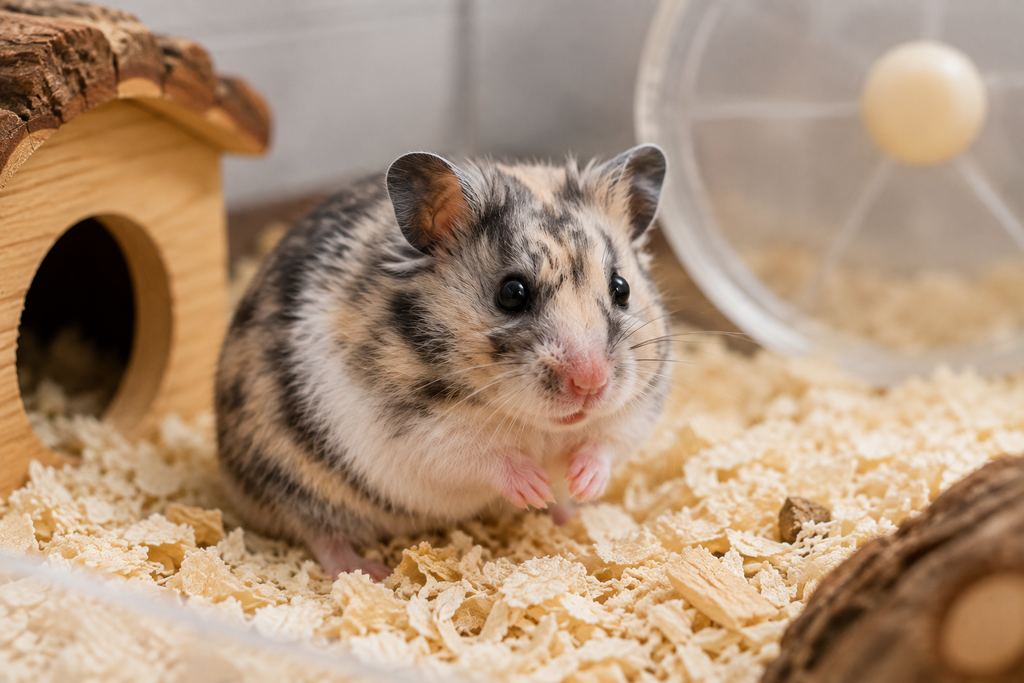
Most pet hamsters live for roughly 2 to 3 years, although individual lifespan varies. Merck gives a broad pet-hamster range…

Hamsters can squeak, hiss, chatter their teeth, grind their teeth, or make other small noises, but a sound rarely has…

Repeated cage-bar biting can be a sign that a hamster’s environment is not meeting all of its behavioral needs. Research…
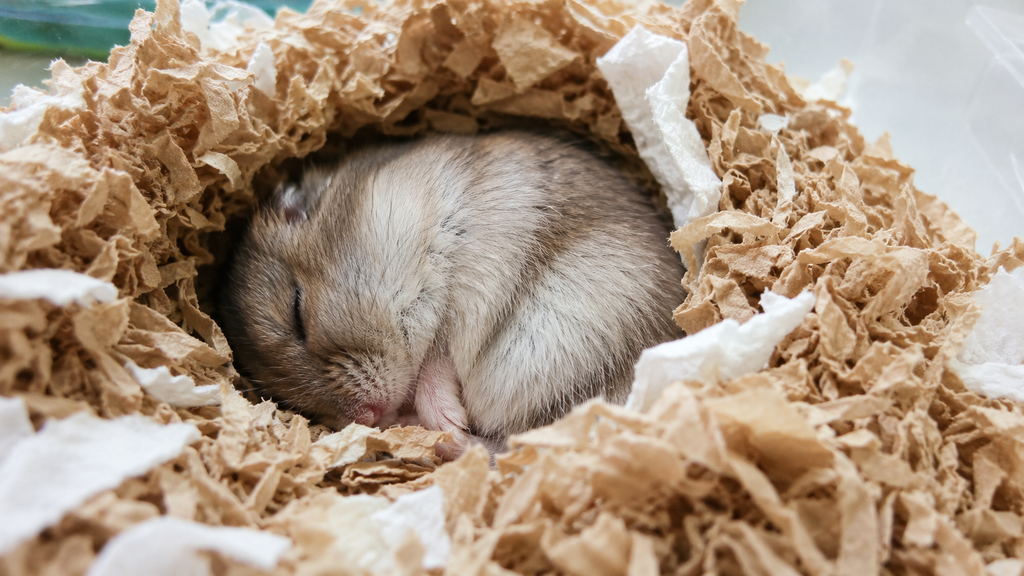
A cold, motionless hamster may be in torpor rather than dead, especially after exposure to a cold environment. Torpor can…
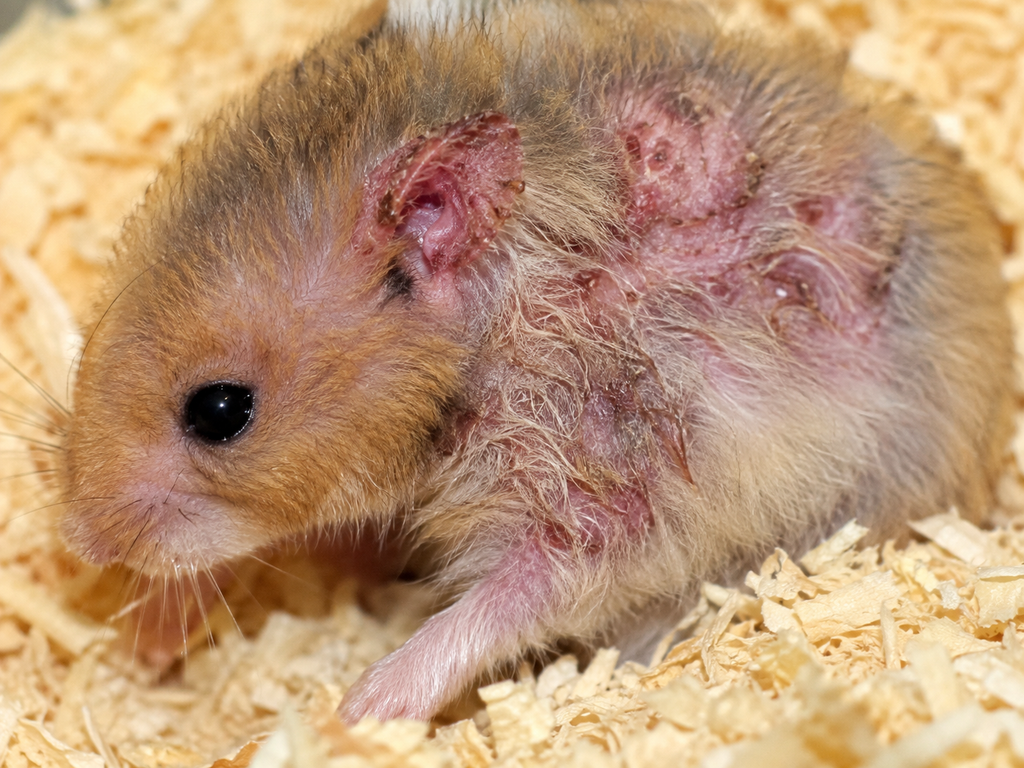
Mites can cause hair loss, scaling, crusting, redness and sometimes itching in hamsters, but these signs are not specific enough…

Taming a hamster is less about reaching a deadline and more about teaching it that your hands are predictable and…