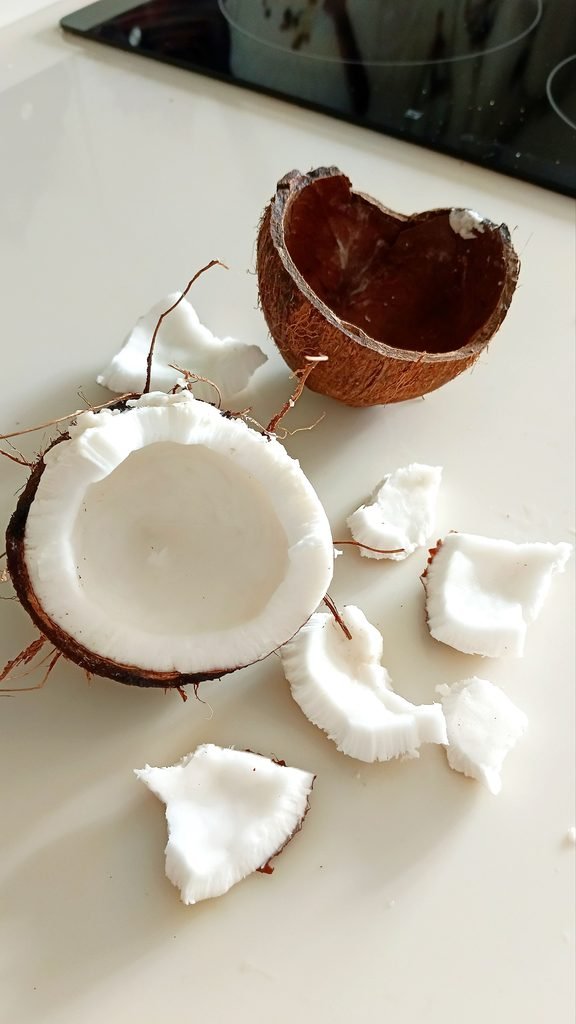
Coconut is not toxic to hamsters, but its fat content is one of the highest of any fruit. Offer it as a rare treat alongside a balanced staple mix rather than a regular part of the diet. This guide covers safe amounts, what forms to avoid, and how to prepare coconut properly for your hamster.
Is coconut safe for hamsters?
Plain raw coconut flesh is safe in small quantities. The concern is fat: coconut flesh is around 33% fat, which is very high for a small animal. Too much fat over time leads to obesity and liver stress, both of which are serious problems for hamsters. The other risk is that many coconut products sold for human consumption are sweetened or processed, and those are not appropriate. Fresh or frozen unsweetened coconut flesh, in a small amount, is the only form worth offering.
Quick takeaway: raw unsweetened coconut flesh, half-pea sized, once every two weeks. Sweetened coconut, coconut milk, coconut cream, and coconut oil are all too rich or too processed for regular use.
How much coconut can a hamster eat?
Less is more with coconut. A small cube of fresh flesh is the entire serving.
| Hamster | Portion | How often |
|---|---|---|
| Syrian | About half a pea (roughly 0.3 in / 7 mm cube) of raw unsweetened coconut flesh | Once every two weeks at most |
| Dwarf (Robo, Winter White, Campbell’s) | A small sliver, about half the Syrian portion | Once every two to three weeks at most |
Because coconut is low in sugar (around 6% natural sugar in raw flesh), dwarfs are not at increased diabetes risk from coconut the way they are from high-sugar fruits. The limit here is purely about fat content. For a broader look at what hamsters can and cannot eat, see our guide to what hamsters can eat, our list of foods toxic to hamsters, and our roundup of safe vegetables for hamsters.
How to prepare coconut for a hamster
Preparation is straightforward. Use fresh or plain frozen coconut flesh only.
- Choose plain raw coconut flesh. Fresh coconut from the shell or plain frozen unsweetened coconut chunks both work.
- Cut a tiny piece. A cube roughly half the size of a pea is the right amount for a Syrian. Trim it smaller for dwarfs.
- No added ingredients. No sugar, syrup, flavoring, or toasting. Desiccated coconut sold for baking is usually sweetened and dried to a low moisture level, so skip it.
- Remove any uneaten piece by the next day. Fresh coconut flesh can go rancid fairly quickly, especially in a warm cage.
What coconut products are not safe?
Most coconut products in grocery stores are not suitable. Sweetened shredded or desiccated coconut contains added sugar and very low moisture, concentrating the calories. Coconut milk and coconut cream are extremely high in fat and liquid, which can cause digestive upset. Coconut oil is pure fat and should not be offered directly. Coconut-flavored snacks or yogurt drops sold for small pets often contain added sugar. Stick to a small piece of plain raw flesh.
Frequently asked questions
Can dwarf hamsters eat coconut?
Yes, a very small sliver of plain raw coconut flesh is fine occasionally. The limit is fat rather than sugar, so the diabetes concern that applies to sweet fruits is less relevant here. Keep portions small and infrequent.
Can hamsters eat coconut water?
A few drops of pure unsweetened coconut water as an occasional treat is not harmful, but it adds no real nutritional benefit beyond plain water. Commercial coconut water often contains added sugar, so check the label or skip it entirely and just offer fresh water.
Can hamsters eat desiccated coconut?
No. Desiccated coconut sold for baking is usually sweetened and very calorie-dense. Even unsweetened desiccated coconut has very low moisture and concentrated fat, which makes it easy to overfeed. Fresh flesh is a better option if you want to offer coconut at all.
Is coconut oil safe for hamsters?
It is not toxic in a tiny amount, but there is no reason to offer it. Pure fat adds nothing beneficial to a hamster’s diet and can contribute to obesity and liver issues if offered regularly. Skip it.
The bottom line
Plain raw coconut flesh is safe for hamsters in a very small amount, offered rarely. The high fat content means it should never be a regular treat. A half-pea-sized cube of unsweetened fresh coconut once every two weeks is a reasonable upper limit. Sweetened coconut, coconut milk, coconut cream, and coconut oil are all too rich or processed to offer.
Keep reading: What Can Hamsters Eat?, Foods Toxic to Hamsters, Safe Vegetables for Hamsters
Hamster Corner provides general educational information about hamster care. It is not a substitute for professional veterinary advice. If your hamster shows signs of illness, contact an exotic vet promptly.