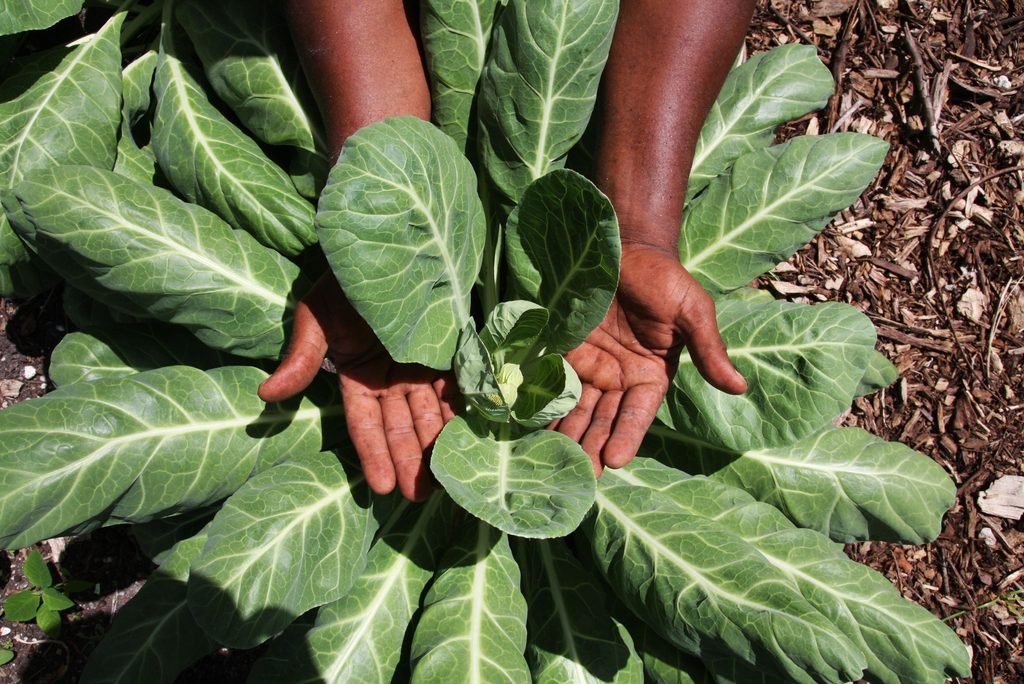
Yes. Hamsters can eat small amounts of plain collard greens. Glenway Animal Hospital specifically includes collard greens among fresh vegetables suitable for hamsters. However, there is no good hamster-specific evidence supporting a thumbnail-sized serving two or three times a week, or showing that collard greens need to be restricted because of calcium and oxalates.
Collard greens are best treated as one optional leafy vegetable alongside a nutritionally complete hamster diet. Wash them, offer a small amount, and avoid adding dressing, salt or seasoning.
Are collard greens safe for hamsters?
Yes, there is direct hamster-specific support.
Glenway Animal Hospital specifically lists collard greens, along with mustard greens, kale and carrots, among fresh vegetables that can be offered to hamsters.
The RSPCA does not name collard greens specifically, but its broader hamster guidance recommends small quantities of greens and cleaned root vegetables alongside a balanced staple diet.
That is enough for a practical yes.
What is not necessary is selling collard greens as a source of vitamin A, vitamin C, vitamin K, fiber or another specific nutrient. A complete hamster food should provide the nutritional foundation. Collard greens are simply an optional fresh extra.
For the broader feeding framework, see what hamsters can eat and our safe vegetables for hamsters guide.
How much collard green can a hamster eat?
I could not find strong collard-specific evidence supporting the common rule of a thumbnail-sized piece two or three times per week.
Glenway Animal Hospital gives a broader recommendation for fresh vegetables, while Woodgreen uses a general treat guideline of roughly the size of the hamster’s ear.
Neither establishes a scientifically precise collard-green portion for Syrians versus dwarfs.
So keep it simple: offer a small piece of leaf in moderation, especially the first time your hamster tries it.
There is no need to create a separate half-sized serving simply because a hamster belongs to a dwarf species.
Do collard greens cause kidney or bladder stones?
There is not enough evidence to make that claim.
Collard greens do contain calcium and oxalate, but nutrient composition in a human food database does not automatically establish what happens when a pet hamster eats a small amount of that vegetable.
Calcium-oxalate bladder stones have been documented in Syrian hamsters. However, a published case report on hamster urolithiasis states that the cause remains unknown and notes that dietary mineral interactions established in other rodents have not been demonstrated in hamsters.
That means this chain of reasoning is too strong:
collard greens contain calcium and oxalate → collard greens cause hamster bladder stones
The evidence does not establish that.
If a hamster has already been diagnosed with urinary stones or another kidney or bladder condition, diet should be discussed with its veterinarian. That is different from imposing a stone-prevention diet on every healthy hamster.
Should collard greens be raw or cooked?
I could not find hamster-specific evidence showing that collard greens must be raw.
The Glenway guidance refers to fresh vegetables but does not establish that cooked collards are harmful. Likewise, there is no good basis for saying cooked greens cause digestive upset.
For an uncomplicated serving, fresh washed leaf is easy.
If you have plain cooked collard greens with no salt, oil, butter, garlic, onion or seasoning, I would not automatically label them toxic. But raw fresh leaf has the clearer direct support and avoids the ingredient questions that come with prepared food.
Can hamsters eat collard green stems?
I could not find reliable hamster-specific guidance addressing the stems separately.
That means I would not claim they are definitely safe because hamsters can gnaw them, nor claim they are dangerous because they are fibrous.
If you want the simplest conservative serving, offer a small piece of the leaf and leave the thicker stem out.
There is no nutritional reason your hamster needs the stem.
Can dwarf hamsters eat collard greens?
Yes. The available guidance does not restrict collard greens to Syrian hamsters.
The old explanation that collards are especially suitable because dwarf hamsters are diabetes-prone goes beyond the evidence.
PDSA specifically says Russian dwarf hamsters are particularly prone to diabetes. That should not be rewritten as “all dwarf species are diabetes-prone.”
Collard greens do not need a special diabetes claim anyway. They can simply be one of several fresh greens offered in modest amounts.
If an individual hamster has diagnosed diabetes or another medical condition affecting its diet, follow its veterinarian’s recommendations.
Can too many collard greens upset a hamster’s stomach?
Any unfamiliar fresh food should be introduced gradually.
Glenway Animal Hospital cautions against overfeeding fresh foods, while RSPCA advises avoiding sudden dietary changes and stale food because they can upset a hamster’s stomach.
That is a better-supported explanation than saying collard greens specifically cause diarrhea because of fiber or water.
If your hamster develops moist droppings, soiled hindquarters, reduced appetite, significant lethargy or another notable change, contact a hamster-experienced veterinarian promptly.
Do not automatically withhold fresh food for several days or wait for a fixed 24-hour period before asking for veterinary advice.
Are collard greens better than kale or spinach?
There is no useful hamster-specific evidence establishing a winner.
Woodgreen directly lists kale and spinach as suitable fresh vegetables, while Glenway Animal Hospital specifically includes collard greens.
The practical takeaway is not to rank leafy greens by vitamin, calcium or oxalate numbers taken from human nutrition tables. Use suitable greens as small extras and provide variety rather than expecting one vegetable to supply a particular nutrient.
The bottom line
Yes, hamsters can eat collard greens in small amounts. Glenway Animal Hospital specifically includes them among fresh vegetables suitable for hamsters.
What the evidence does not support is a thumbnail-sized two-to-three-times-weekly serving, a special half portion for dwarf hamsters, or the claim that collard greens cause kidney or bladder stones because they contain calcium and oxalate.
For a simple serving, wash the leaf and offer a small amount plain. There is no need to make collard greens a vitamin supplement, dental food or special low-sugar food for dwarf hamsters.
And if your hamster has a diagnosed urinary or metabolic condition, use an individualized veterinary diet rather than generic internet rules.
Keep reading: What can hamsters eat? | Safe vegetables for hamsters | Foods toxic to hamsters
Hamster Corner provides general educational information about hamster care. It is not a substitute for professional veterinary advice. If your hamster develops significant changes in appetite, stools, urination, energy or behavior, contact a hamster-experienced veterinarian.