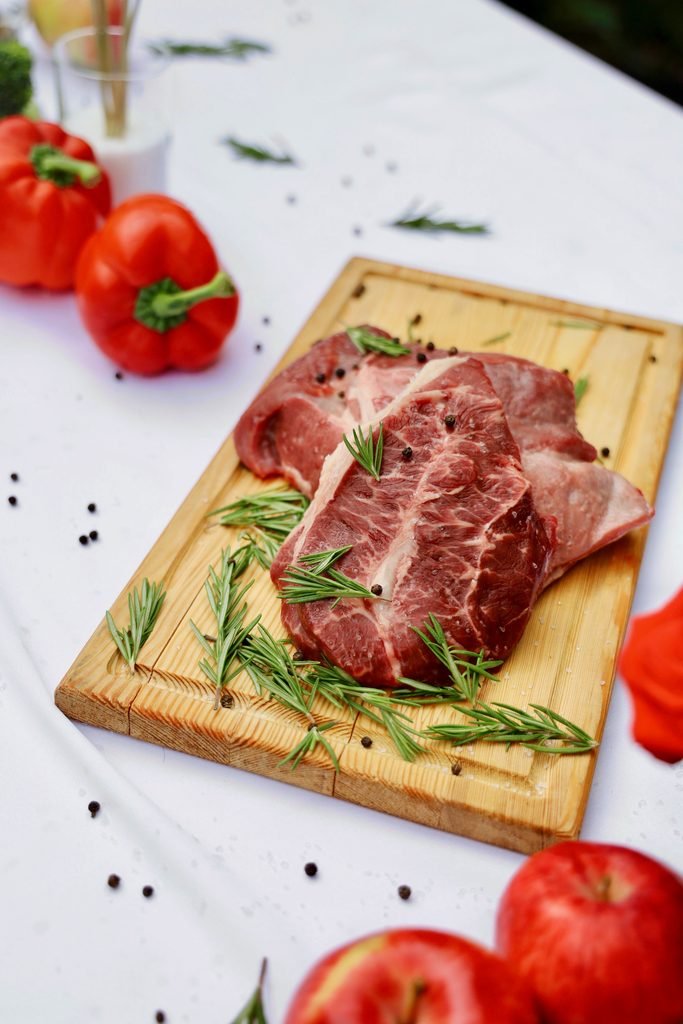
Yes, hamsters can eat some plain cooked meat, but they do not need meat added to their diet if their main hamster food is already nutritionally complete. Plain cooked chicken has the clearest direct support from hamster welfare guidance. Turkey and lean beef are reasonable options in small amounts, but the evidence for those specific meats is less direct. Raw, processed, salty and seasoned meats are better avoided.
Hamsters are omnivores, so animal-based food is not automatically out of place in their diet. However, that does not mean pet hamsters need a weekly meat serving or an extra protein schedule.
Woodgreen Pets Charity recommends a good-quality dry food that already contains an appropriate protein source and says small amounts of plain cooked chicken can be offered occasionally. Blue Cross also includes lean cooked meat among suitable fresh foods.
The important distinction is simple: meat can be an optional extra, not a nutritional fix for an inadequate staple diet.
What meat can hamsters eat?
Not every type of meat has the same level of hamster-specific guidance.
| Meat | Practical recommendation | What the evidence says |
|---|---|---|
| Plain cooked chicken | Yes, in a small amount | Directly supported by Woodgreen and Blue Cross |
| Plain cooked turkey | Probably acceptable in a small amount | Included in veterinary-reviewed secondary guidance, but less direct hamster-specific support than chicken |
| Plain cooked lean beef | Probably acceptable in a small amount | Government guidance allows meat generally, and veterinary-reviewed secondary guidance includes beef |
| Fish | Depends on the type and preparation | See the hamster fish guide |
| Raw meat | Skip | Woodgreen specifically advises avoiding raw meat |
| Deli meat, ham, bacon and sausage | Skip | Processed meat is specifically discouraged by Woodgreen |
| Seasoned or salty meat | Skip | Seasoned human foods are not recommended |
| Fried, battered or sauced meat | Skip | These add ingredients a hamster does not need and make the food harder to assess |
The Agriculture, Fisheries and Conservation Department also describes hamsters as omnivores and lists meat, boiled egg, cheese and invertebrates as possible animal-protein sources.
That supports the broad idea that hamsters can eat animal foods. It does not establish a required serving of chicken, turkey or beef.
For the wider feeding framework, see what hamsters can eat.
Chicken has the clearest support
If you deliberately want to share a little meat with your hamster, plain cooked chicken is the easiest option to justify.
Woodgreen specifically says small amounts of plain cooked chicken can be offered occasionally. Blue Cross similarly lists lean cooked meat among suitable fresh foods.
Keep it simple:
- cook the chicken thoroughly
- offer it plain
- do not add salt, sauce, garlic, onion, spice blends or marinades
- remove skin and heavily seasoned coatings
- offer only a small amount
- remove uneaten fresh meat before it spoils
Chicken does not need to be fed because a hamster supposedly needs an extra “protein boost.” A properly formulated hamster diet should already cover basic protein requirements.
Can hamsters eat turkey?
Plain, thoroughly cooked turkey is probably acceptable in a small amount.
The strongest welfare sources are clearer about chicken than turkey, so it would be misleading to present the evidence as identical. Veterinary-reviewed secondary guidance does include plain cooked turkey among meat options for hamsters.
If you have both available, chicken has better direct support. If your hamster steals a small piece of plain cooked turkey, however, there is no good reason to treat that as an emergency simply because it is turkey rather than chicken.
Avoid processed turkey slices, seasoned roast turkey, gravy and stuffing.
Can hamsters eat beef?
A small amount of plain cooked lean beef is probably acceptable, but beef does not have the same level of direct welfare guidance as chicken.
Government hamster-care guidance allows meat generally as a possible animal-protein source, while veterinary-reviewed secondary guidance specifically includes cooked unseasoned beef.
That is enough to make plain cooked beef a reasonable optional food, but not enough to create a special beef feeding schedule.
Choose a plain piece rather than heavily marbled, seasoned, cured or processed beef. Your hamster does not need steak for protein, and beef offers no essential advantage over a complete hamster food.
How much meat can a hamster eat?
There is no strong hamster-specific evidence establishing that:
- a Syrian needs exactly one pea-sized piece
- a dwarf needs exactly half that amount
- meat must be given once per week
- different meats require separate weekly schedules
Blue Cross gives a useful general rule for fresh foods: portions should be roughly as small as the hamster’s ear. That is a practical visual guide rather than a scientifically established meat dose.
The safer approach is to offer a very small amount occasionally, count it as part of the hamster’s overall extras, and avoid letting optional foods displace the nutritionally complete staple diet.
There is also no reason to schedule meat every week. If your hamster’s main food already supplies appropriate protein, never feeding cooked meat at all is perfectly reasonable.
Do dwarf hamsters need different meat rules?
Not simply because they are dwarfs.
Different dwarf species do not have identical metabolic risk profiles, and the absence of sugar does not automatically make a food medically preferable.
For a healthy dwarf hamster, meat should be treated the same way as for a Syrian: an optional small extra, not a diabetes-management food.
If a hamster has diagnosed diabetes or another condition requiring dietary management, follow the feeding plan provided by a hamster-experienced veterinarian rather than choosing foods based only on whether they contain sugar.
Why raw meat is better avoided
Woodgreen specifically advises against feeding raw meat to hamsters.
Raw animal products can carry foodborne pathogens, and there is no practical benefit to taking that additional risk when plain cooked meat is available.
Cook meat thoroughly before sharing it with a hamster. You do not need to recreate a wild hamster’s diet by feeding raw animal food.
What about deli meat, ham and sausage?
Skip them.
Woodgreen specifically advises avoiding processed meats and also recommends avoiding salty and seasoned human foods.
That covers products such as:
- deli slices
- bacon
- sausage
- cured ham
- salami
- heavily seasoned rotisserie meat
- meat covered in sauces or marinades
The problem is not that every bite of processed meat is proven toxic to a hamster. These foods simply contain variable amounts of salt, seasonings, preservatives and other ingredients, while offering no benefit that cannot be obtained from a simpler food.
Plain cooked chicken is much easier to assess.
Does too much meat damage a hamster’s kidneys?
There is not enough evidence to support the claim that an occasional extra serving of meat will “strain a hamster’s kidneys” or reduce its lifespan.
The better reason to keep meat limited is nutritional balance. Merck Veterinary Manual recommends a complete, balanced diet for captive hamsters.
If a hamster eats so many extras that it consumes less of its balanced staple food, the diet can become less nutritionally reliable regardless of whether those extras are meat, seeds, fruit or something else.
What if your hamster steals meat from your plate?
First identify exactly what was eaten.
A small piece of plain cooked chicken is very different from meat covered in onion sauce, garlic seasoning or an unknown marinade.
Check:
- what type of meat it was
- whether it was raw or cooked
- what seasonings, sauces or other ingredients were present
- approximately how much was eaten
- whether your hamster is behaving and eating normally
If the food contained a known hazardous ingredient, a large amount was eaten, or your hamster develops significant symptoms such as reduced appetite, persistent diarrhea, weakness or unusual lethargy, contact a veterinarian experienced with hamsters.
Do not automatically give milk, force water, withhold food or try to make the hamster vomit.
For ingredient-specific risks, see foods toxic to hamsters.
Do not forget the food hoard
Hamsters frequently carry fresh food away and hide it under bedding.
Cooked meat is moist and perishable, so check likely food stores after offering it and remove leftovers before they spoil. RSPCA hamster feeding guidance warns that wet foods are susceptible to mold and bacterial growth.
Do not destroy an otherwise clean dry-food hoard just because you are looking for one small piece of meat.
The bottom line
Hamsters can eat a small amount of plain cooked meat, but meat is optional rather than a required protein supplement.
Plain cooked chicken has the strongest direct welfare support. Plain turkey and lean beef are probably acceptable in small amounts, although their hamster-specific evidence is less direct.
There is no reliable basis for a rigid pea-sized weekly serving or for giving dwarfs a special half-portion because of diabetes. Keep optional meat small, plain and occasional, and let a nutritionally complete hamster food do the main nutritional work.
Avoid raw meat, processed meats and seasoned human food.
Keep reading: What can hamsters eat? | Foods toxic to hamsters | Can hamsters eat fish?
Hamster Corner provides general educational information about hamster care and nutrition. If your hamster eats a potentially harmful food or develops a significant change in appetite, stool, activity or behavior, contact a veterinarian experienced with hamsters.