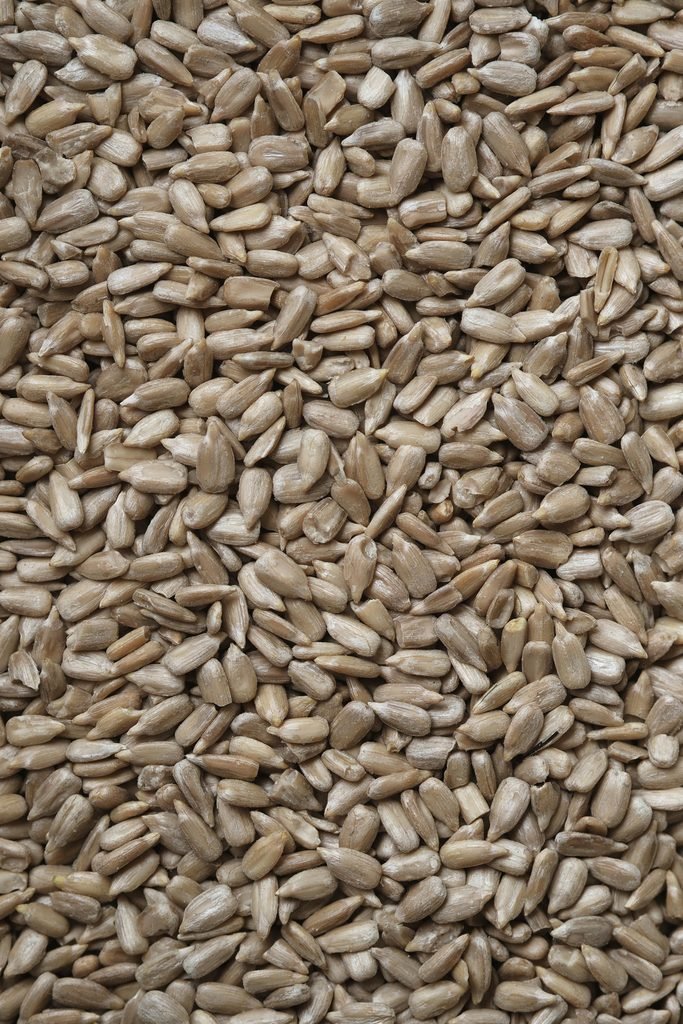
Yes. Hamsters can eat plain sunflower seeds as an occasional treat. PetMD specifically lists sunflower seeds without salt or added flavors as a suitable treat for hamsters.
The important distinction is that a sunflower seed treat is not the same thing as a seed-heavy diet. Seeds are energy-dense and can become a problem when a hamster eats them instead of a nutritionally complete staple food.
There is also no strong hamster-specific evidence establishing a rule such as “one or two seeds for a Syrian” or “one seed for a dwarf.” Keep sunflower seeds occasional and secondary to the complete diet rather than counting toward an invented weekly quota.
Are sunflower seeds safe for hamsters?
Plain sunflower seeds can be offered to hamsters.
PetMD specifically includes sunflower seeds without salt or added flavors among occasional hamster treats.
The same guidance makes an important qualification: seeds are high in fat and relatively poor in some other nutrients, so they should not become the main component of the diet. A seed-heavy diet can contribute to both excess weight and nutritional imbalance.
That makes the practical verdict straightforward:
Plain sunflower seeds are suitable as occasional extras, but they should not replace a complete hamster food.
For the broader feeding framework, see what hamsters can eat.
How many sunflower seeds can a hamster eat?
I could not find reliable hamster-specific guidance establishing an exact number of sunflower seeds for Syrian or dwarf hamsters.
That means I would not use rules such as:
- one seed for a dwarf
- two seeds for a Syrian
- three seeds per week
- one seed every other day
Those numbers may sound reassuringly precise, but they are not established feeding limits.
PetMD simply treats sunflower seeds as an occasional treat. More general guidance from Woodgreen recommends keeping treats small, roughly comparable to the size of the hamster’s own ear, rather than creating a different measurement for every species and food.
The exact amount matters less than the overall pattern: sunflower seeds should remain a small extra and should not displace the nutritionally complete diet.
What kind of sunflower seeds should hamsters have?
Choose plain sunflower seeds without added salt or flavoring.
That recommendation has direct support from PetMD and also avoids the unnecessary ingredients commonly found on sunflower seeds sold as human snack foods.
I would skip:
- salted sunflower seeds
- flavored sunflower seeds
- sweetened or coated seeds
- heavily seasoned snack mixes
There is no benefit to trying to identify a “safe” seasoning when plain seeds are readily available.
The original version of this article also warned specifically against seeds roasted in oil. I could not find equally clear hamster-specific guidance establishing that preparation as a separate hazard, so I would not turn it into another toxicity rule. Plain, unseasoned seeds are simply the better-supported choice.
What if sunflower seeds are already in the hamster food?
This is where sunflower seeds become more interesting than a simple yes-or-no food question.
The RSPCA says a hamster can be fed either a compound pellet ration or a mixture of different seeds formulated to meet its nutritional needs. In other words, the presence of seeds does not automatically make a commercial hamster food unsuitable.
However, other veterinary guidance is more cautious.
The UC Davis School of Veterinary Medicine advises against mixtures of pellets and seeds because some hamsters preferentially select the seeds and leave the nutritionally balanced pellets.
PetMD similarly warns that primarily seed-based diets can contribute to obesity or malnutrition.
These recommendations are not actually as contradictory as they first appear.
The useful distinction is between:
- a nutritionally complete food that happens to contain seeds, and
- a hamster choosing its favorite high-value seeds while leaving the rest of the diet behind.
If your hamster’s complete dry food already contains sunflower seeds and it eats the diet as intended, there is no nutritional reason to keep adding extra sunflower seeds on top.
If it consistently picks out sunflower seeds while leaving most of the other food, the feeding pattern deserves more attention than the exact number of seeds you hand over as treats.
Are sunflower seeds too fatty for hamsters?
They are high enough in fat that they should remain extras rather than the basis of the diet.
PetMD specifically warns that diets dominated by seeds can contribute to obesity and malnutrition. Blue Cross also recommends avoiding excessive fatty and sugary treats because hamsters can become overweight.
That supports moderation.
It does not support some of the more dramatic claims from the original version of this article, such as sunflower seeds causing “fatty deposits,” greasy fur, heart strain, joint strain, or a shortened lifespan after a particular number of seeds.
If your hamster is gaining unwanted weight, look at the whole diet, actual daily food allowance, treats, and body condition, rather than assuming sunflower seeds are the only cause.
Can dwarf hamsters eat sunflower seeds?
Yes. There is no good reason to create a completely separate sunflower-seed rule just because a hamster is a dwarf species.
The original version said dwarf hamsters should receive exactly one seed because they are smaller and supposedly gain weight more easily. Smaller body size certainly matters when judging the overall amount of food, but I could not find evidence establishing a universal “one sunflower seed” limit for Roborovski, Winter White, Campbell’s, or Chinese hamsters.
A better approach is the same one used for Syrians: keep treats proportionate to the hamster’s size and make sure they remain secondary to a complete diet.
There is also no need to bring diabetes into this question. Sunflower seeds do not become appropriate or inappropriate based simply on whether a food is low in sugar.
Are sunflower seeds in the shell okay?
I could not find strong hamster-specific guidance requiring sunflower seeds to be served either shelled or in the shell.
More importantly, I would not claim that cracking sunflower-seed shells is necessary for dental health.
Hamsters do need opportunities to gnaw, but veterinary guidance recommends appropriate wooden chews and other suitable enrichment for tooth wear. A sunflower seed does not need to be marketed as dental care.
If sunflower seeds are already present in a properly formulated hamster food, follow the food manufacturer’s directions rather than altering the mix based on a supposed dental benefit.
Should you remove sunflower seeds from a hamster’s food stash?
Not simply because they are sunflower seeds.
Hamsters naturally carry dry food into their cheek pouches and create food stores around the enclosure. Completely removing a clean dry-food hoard can be stressful.
Blue Cross recommends allowing hamsters to maintain their larder where possible, while removing food that is spoiled or needs to be cleared for hygiene reasons.
So do not routinely dig through the enclosure to confiscate every stored sunflower seed.
The more useful thing to monitor is selective feeding. If the hamster repeatedly consumes only preferred seeds while leaving substantial parts of a complete mixture, that can undermine the balance the food was formulated to provide.
Are sunflower seeds better than other treats?
There is no need to create a ranking.
Sunflower seeds can be an occasional treat. So can several other foods with hamster-specific support.
The choice should depend on what is already present in the hamster’s main diet. If the dry food already contains plenty of seeds, another sunflower seed adds little besides more of something the hamster is already receiving.
Fresh vegetables or another well-supported extra may provide more useful variety.
For appropriate fresh-food options, see safe vegetables for hamsters.
The bottom line
Yes, hamsters can eat plain, unsalted and unflavored sunflower seeds occasionally.
PetMD directly supports sunflower seeds as a hamster treat, but there is no reliable evidence establishing a universal “one seed for dwarfs, two for Syrians” rule.
The bigger issue is the rest of the diet. Sunflower seeds should not crowd out a nutritionally complete food, and repeatedly picking preferred seeds from a mix can lead to an unbalanced feeding pattern.
If your hamster’s complete food already contains sunflower seeds, you do not need to keep adding more just because your hamster likes them.
Treat sunflower seeds as an optional extra, not a staple and not a nutritional supplement.
Hamster Corner provides general educational information about hamster care. It is not a substitute for veterinary advice. Speak with a hamster-experienced veterinarian if you are concerned about your hamster’s weight, appetite, or diet.