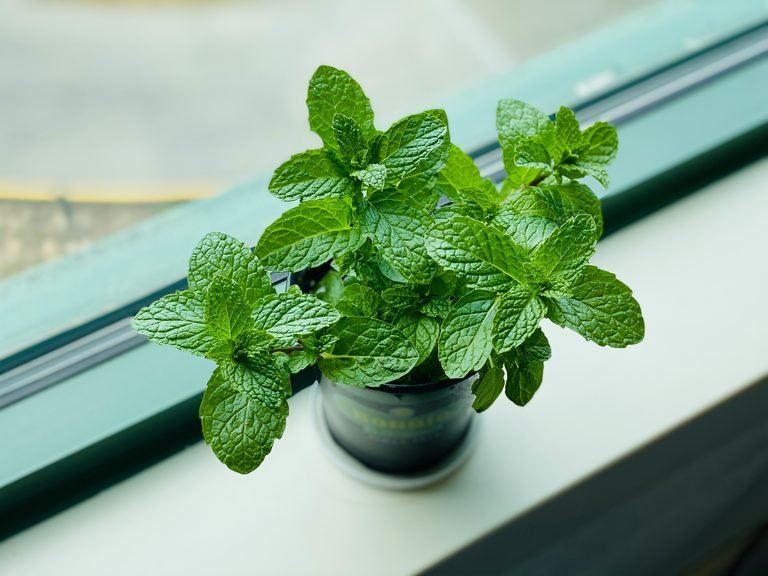
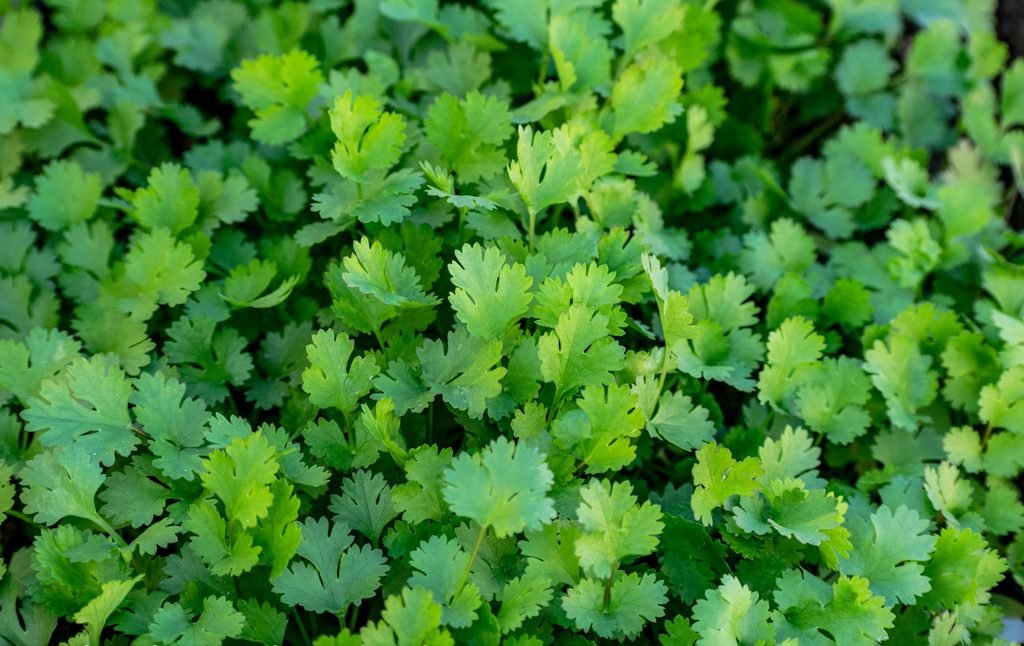
Yes. Hamsters can eat a small amount of plain cilantro occasionally. Woodgreen specifically says coriander is safe for hamsters when fed occasionally and in moderation, while PDSA also includes coriander among suitable occasional treats.
If you are in the US, the naming can be confusing: the fresh leafy herb commonly called cilantro is the same plant commonly called coriander in UK guidance. What the sources do not give us is an exact rule of two leaves three times a week.
Is cilantro safe for hamsters?
Yes. This one has direct hamster-specific support.
Woodgreen directly answers the question “Can hamsters eat coriander?” with yes, while recommending that it be offered only occasionally and in moderation.
PDSA also lists coriander among occasional treats suitable for hamsters.
That gives us a much stronger basis for a “yes” than arguments such as:
- cilantro is low in sugar
- cilantro contains vitamin C
- cilantro contains antioxidants
- cilantro is low in oxalates
Those nutritional facts are not needed to establish whether the herb belongs in a hamster’s diet.
For the broader feeding framework, see what hamsters can eat.
Cilantro or coriander: are we talking about the same thing?
Usually, yes, but the terminology depends on where you live.
In American English, cilantro commonly means the fresh leaves of the coriander plant, while coriander commonly refers to the seeds.
In British English, “coriander” is commonly used for the fresh herb as well.
That matters because Woodgreen and PDSA are UK organizations and use the word coriander in their hamster guidance.
Their recommendation supports the culinary herb generally, but it does not give separate feeding instructions for every part of the plant.
How much cilantro can a hamster eat?
There is no authoritative cilantro-specific rule saying:
- two or three leaves
- exactly one sprig
- half a leaf for a dwarf
- two to three times a week
I would not present those numbers as established limits.
Woodgreen simply says coriander should be offered occasionally and in moderation.
Its broader hamster guidance also recommends keeping treats small, with an amount roughly around the size of the hamster’s ear providing a useful practical reference.
So a better recommendation is:
Offer a small amount of plain cilantro occasionally, rather than following a fixed leaf-count schedule.
A complete hamster food should continue to provide the nutritional foundation.
How should you prepare cilantro?
Keep it simple.
Wash fresh cilantro before offering it and serve it plain. Avoid wilted, spoiled or visibly mouldy plant material.
Do not offer cilantro as part of salsa, curry, dressing or another prepared human dish because the other ingredients may not be suitable for hamsters.
Fresh leftovers should also be removed before they spoil. Hamsters naturally hoard food, so a piece of leafy herb can disappear into the bedding rather than being eaten immediately.
There is no need to remove it after an exact number of hours. The practical goal is simply to prevent fresh food from decomposing in the enclosure.
Can hamsters eat cilantro stems?
I would be more cautious than the original article.
The hamster guidance from Woodgreen and PDSA refers generally to coriander. It does not give separate instructions for leaves versus stems.
I therefore would not claim that thin stems have been independently established as safe or that thick stems are unsafe.
If you want the lowest-uncertainty option, offer a small amount of the fresh leafy herb that people normally mean when they say cilantro.
There is no reason to deliberately add large or tough stems.
Can hamsters eat dried cilantro?
I could not find strong hamster-specific guidance specifically addressing dried cilantro.
That means the common claim that dried cilantro is dangerous because its aromatic oils become “too concentrated” is not well supported.
It also means I would not automatically recommend spice-jar cilantro just because fresh coriander is approved.
For the simplest evidence-backed choice, use a small amount of fresh plain cilantro.
If a dried product contains salt, seasoning or other ingredients, skip it.
Is cilantro good for dwarf hamsters?
Cilantro does not need a special dwarf-hamster recommendation.
Woodgreen and PDSA list coriander for hamsters without restricting it to Syrians.
At the same time, I would not advertise cilantro as a special “low-sugar treat for diabetes-prone dwarfs.” Roborovski, Winter White and Campbell’s hamsters should not automatically be treated as having an identical diabetes risk profile.
The straightforward guidance works for healthy hamsters generally: cilantro can be a small occasional extra.
If your hamster has diagnosed diabetes or another medical condition, follow individualized dietary advice from a hamster-experienced veterinarian.
Can too much cilantro cause diarrhea?
I could not find hamster-specific evidence showing that cilantro’s water content or aromatic oils directly cause soft stools.
Sudden dietary changes can cause gastrointestinal upset in hamsters, which is why unfamiliar fresh foods should not suddenly be offered in large amounts.
That is different from saying cilantro itself causes diarrhea because it contains water or essential oils.
If your hamster develops moist droppings, reduced appetite, significant lethargy or another meaningful health change, contact a hamster-experienced veterinarian promptly rather than relying on a fixed waiting period.
Is cilantro healthier than basil or parsley?
There is no useful reason to rank these herbs by vitamin C, sugar or oxalate content for a healthy hamster.
Woodgreen directly supports both coriander and basil, and its broader guidance includes several other suitable herbs.
The nutritional foundation should still come from a complete hamster food. Herbs are simply small optional extras that can add variety.
If your hamster ignores cilantro, nothing is missing from the diet. Try another supported fresh food rather than trying to persuade the hamster to eat it.
See safe vegetables for hamsters for more options.
What if my hamster ate a lot of cilantro?
Plain cilantro is not identified as a hamster toxin in the guidance I found.
If your hamster ate more than intended but appears normal, remove the excess and return to the normal complete diet. Monitor appetite, activity and droppings.
If the cilantro was part of salsa, sauce or another prepared dish, check all the ingredients rather than focusing only on the herb.
Do not induce vomiting or use home remedies.
The bottom line
Yes, hamsters can eat small amounts of plain cilantro occasionally. Woodgreen directly approves coriander in moderation, and PDSA also lists coriander among suitable hamster treats.
What the evidence does not establish is a rule of two or three leaves several times a week, a special half-serving for dwarfs, or health benefits based on cilantro’s vitamins, antioxidants or low sugar content.
Use a small amount of fresh plain cilantro as an optional extra and keep a complete, species-appropriate hamster food as the foundation of the diet.
Keep reading: What can hamsters eat? | Can hamsters eat basil? | Safe vegetables for hamsters | Foods toxic to hamsters
Hamster Corner provides general educational information about hamster care. It is not a substitute for professional veterinary advice. If your hamster develops reduced appetite, abnormal droppings or another meaningful change in health or behavior, contact a hamster-experienced veterinarian.